The construction industry is changing faster than ever before. As new technologies, sustainable practices, and higher customer expectations emerge, modern home construction companies are transforming the way homes are designed, built, and maintained. Homeowners today want more efficiency, more customization, and more long-term value—expectations that are reshaping the future of homebuilding.
Here’s a closer look at what you can expect from a modern home construction company in the years ahead.
Smarter, More Efficient Building Processes
The days of relying solely on paper blueprints and back-and-forth phone calls are long gone. Modern construction companies use advanced project management tools to streamline planning and communication. Digital platforms help coordinate architects, engineers, contractors, and clients all in one place, reducing delays and improving overall workflow.
With better scheduling tools and real-time progress tracking, homeowners enjoy a much smoother building experience. Issues that once caused major setbacks can now be identified and resolved early, keeping projects on track.
Sustainable and Eco-Friendly Materials
Sustainability is no longer a trend—it’s a fundamental expectation. More homeowners want environmentally conscious homes that reduce energy use and minimize their carbon footprint. As a result, modern home construction companies are shifting toward:
- Energy-efficient insulation
- Recycled and low-waste building materials
- Solar-ready roofing systems
- Eco-friendly paints and finishes
These choices don’t only benefit the environment—they also lower long-term utility and maintenance costs for homeowners. Green building is now an essential part of the future of construction.
Advanced Construction Technologies
Technology is pushing the boundaries of what’s possible in residential construction. Innovative tools are making homes stronger, smarter, and faster to build. Some of the most impactful technologies include:
- 3D printing, which allows for precise and rapid construction of structural components
- Drones, used for site surveys, inspections, and progress monitoring
- Robotics, which can handle repetitive or labor-intensive tasks with improved safety
- Virtual and augmented reality, allowing homeowners to “walk through” their home before construction even begins
These technologies not only enhance efficiency but also ensure higher accuracy and fewer on-site errors.
Customization Through Digital Design
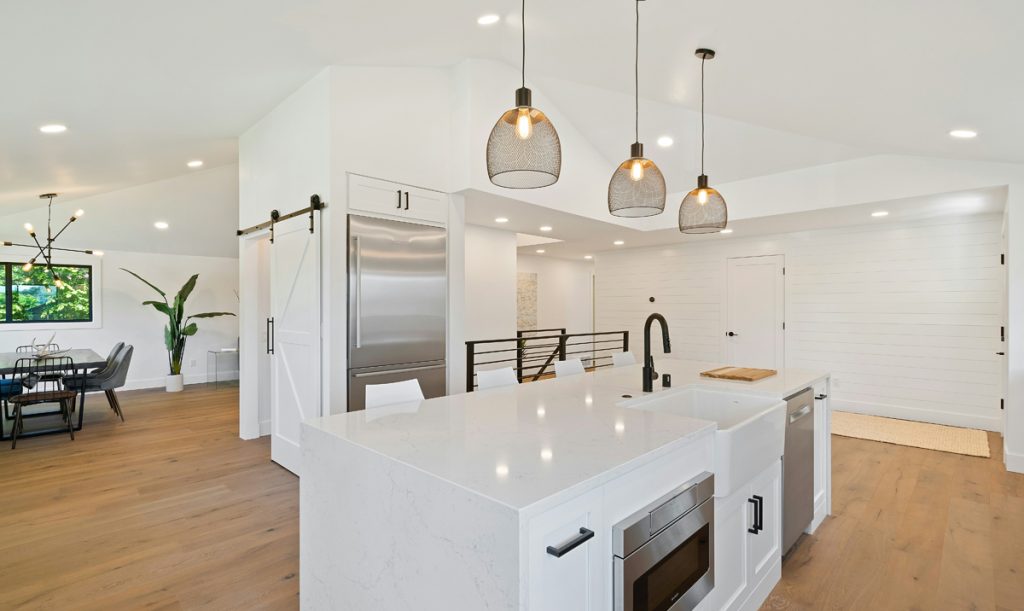
Homeowners today want more control over how their homes look and function, and modern construction companies are delivering exactly that. Digital design tools allow clients to explore layouts, choose materials, and visualize their space down to the smallest detail.
Through 3D models and digital twins, construction teams can plan more precisely while giving homeowners a clear picture of the finished product. This reduces misunderstandings and ensures the final result aligns perfectly with expectations.
Integration of Smart Home Systems
Smart technology isn’t just a luxury anymore—it’s becoming a standard part of new home construction. Builders are integrating infrastructure for:
- Smart lighting
- Automated climate control
- Security and monitoring systems
- Voice-activated home assistants
- Smart entertainment setups
By installing these features during construction, homeowners avoid costly retrofits later. Future-proofing is now a major selling point for modern homes.
Enhanced Customer Experience and Transparency
One of the biggest changes in the construction industry is the improved customer experience. With digital communication tools, homeowners can now track progress, receive updates, and access documents from anywhere.
Modern companies emphasize transparency, offering clear breakdowns of timelines, costs, and stages of construction. This openness builds trust and allows clients to feel more confident throughout the process.
Blending Renovation and New Construction Expertise
The line between renovation and new construction is becoming more connected as companies adopt modern building practices. Homeowners who want to update existing spaces can now benefit from the same innovative technology used in new builds.
For example, a home renovation company in Toronto may use digital design tools, energy-efficient materials, and smart home integrations to transform older homes into highly functional, modern living spaces. This blend of expertise gives homeowners more flexible options for improving their property.
Focus on Durability and Long-Term Value
With better materials and more advanced construction methods, today’s homes are built to last. Modern companies are prioritizing:
- Stronger foundations
- Weather-resistant materials
- Energy-efficient systems
- High-quality craftsmanship
This means homeowners enjoy lower maintenance costs and greater long-term value, making modern construction a smart investment for the future.
Conclusion
The future of homebuilding is full of innovation, efficiency, and personalization. Modern home construction companies are adopting new technologies, eco-friendly materials, and customer-centered processes that redefine what a home can be.
Whether you’re building a new house or transforming an existing one, the advancements shaping today’s construction industry ensure a smoother, more transparent, and more rewarding experience. The homes of tomorrow are already taking shape—and they’re smarter, greener, and more tailored to your lifestyle than ever before.
her articles from totimes.ca – otttimes.ca – mtltimes.ca