
As an employer, it is your legal responsibility to protect your workforce from the risk of injury and illness arising from their work. As such, maintaining health and safety isn’t just good for the sake of your employees; your business must survive. Here, we’re going to look at how you take health and safety as seriously as you need to.
Know Your Workplace Risks
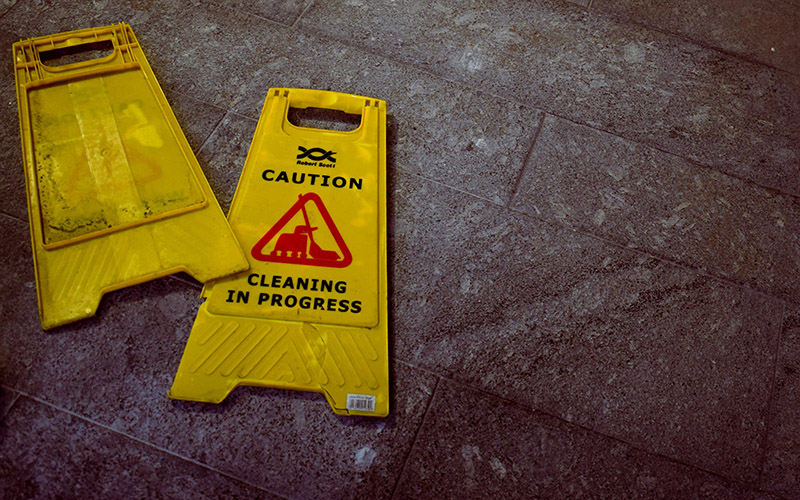
First and foremost, you need to know what the risks are in your workplace. These differ from place to place, so it’s not safe to simply assume that you know what dangers to anticipate. Conducting regular workplace risk assessments can help you identify hazards, including equipment, layouts, and work practices that could pose a safety issue if not managed correctly. Whether it’s slips and trips caused by poor lighting or ergonomic concerns from furniture and equipment use, safety audits can help you identify all risks and begin tackling them based on their urgency and likelihood of harm.
Provide Targeted, Ongoing Safety Training
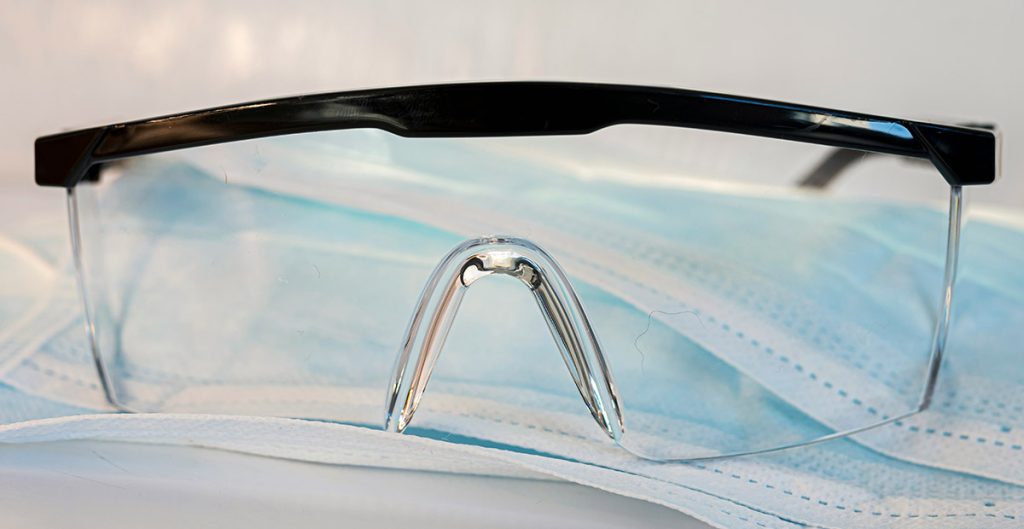
Some of the hazards mentioned above can be managed with the right investments into better lighting, new furniture, and so on. Still, many risks only activate in response to your team members’ involvement. As such, providing ongoing training is vital, and it should be tailored ot the specific risks they’re likely to face, such as specific equipment training or training to recognize and handle hazardous materials.
Conveniently, to learn CPR and lifesaving skills in the downtown Ottawa area, both employers and employees can take First Aid training near the University of Ottawa.
Take a closer look at the duties of each employee and ensure they receive not just the initial training they need to be mindful of the risks, but ongoing refreshers to keep their chances of being involved in health and safety incidents as low as possible.
Have A Clear Emergency Response Plan
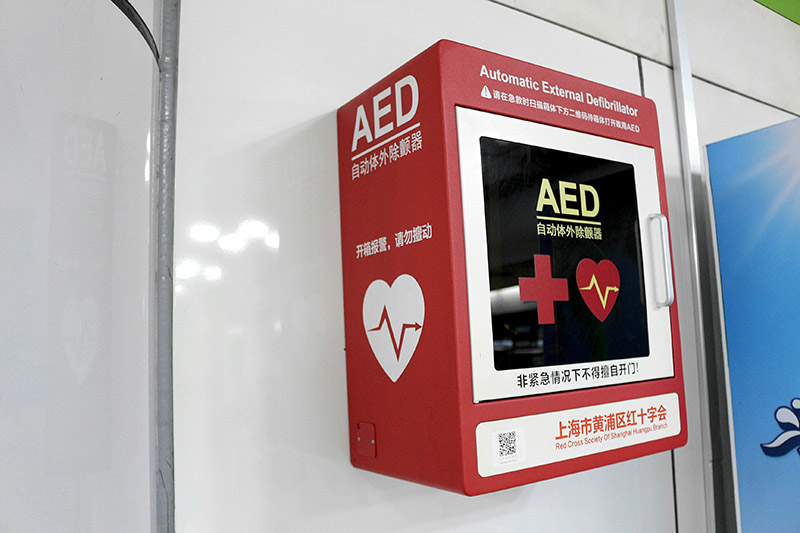
As much as you might do to prevent injuries, manage fire risks, and otherwise create a safe workspace, you should never assume that emergency situations can’t arise. Preparing your business for emergencies is all about having well-communicated plans in place, identifying specific equipment (such as fire extinguishers and first aid kits), outlining evacuation routes, and assigning roles to help your team get into action more quickly. Regular drills should be a key part of these plans, making sure that employees know how to act under pressure.
Keep Learning And Evolving
The above steps can help you formulate a clear safety policy that addresses the workplace’s risks. However, these should evolve alongside your business. Risks can change over time, and new incidents can highlight concerns that you might not have considered before. Clear incident reporting isn’t just important to help employees feel like these risks are being taken seriously; it can also ensure that you’re addressing all sides of the safety question in the workplace.
Health and safety aren’t just about staying aware and vigilant. It’s about building the knowledge and processes directly into the business that help you address risks as precisely as possible. What that looks like will differ from business to business, but the tips above will always apply.
Lead photo Photo – CC0 License
Other articles from totimes.ca – otttimes.ca – mtltimes.ca