There’s a certain kind of pause that happens when people start thinking about replacing furniture.
It usually begins with a glance. Then another. A quiet acknowledgment that something doesn’t look the way it used to.
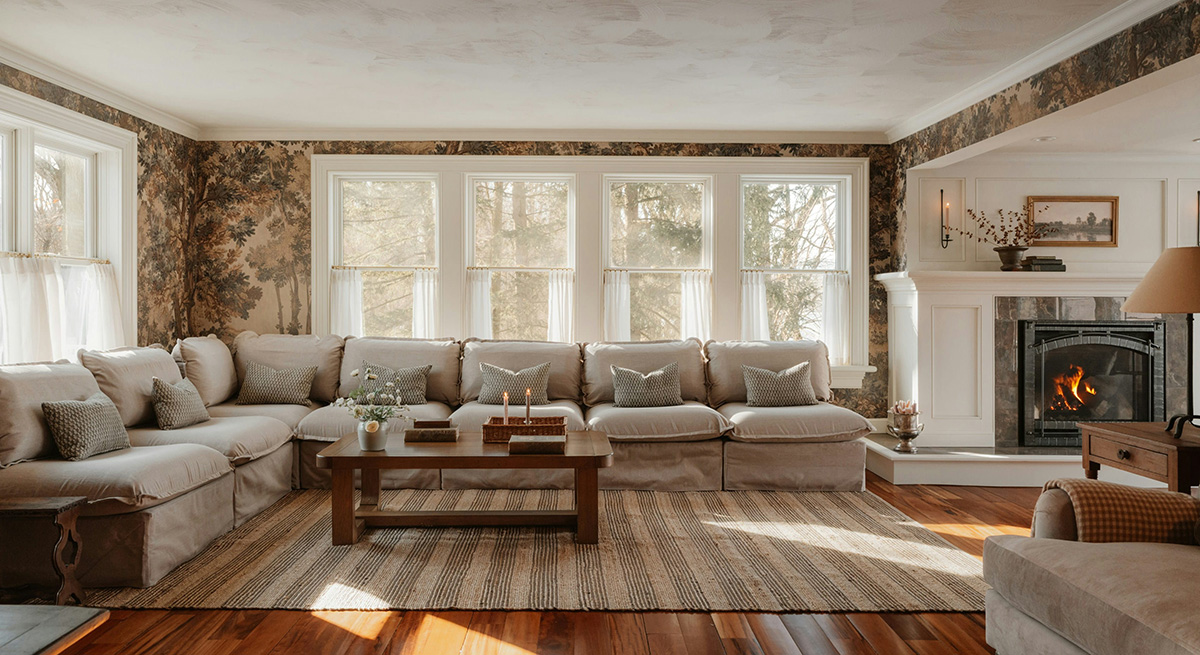
That’s how it started for a family in west Edmonton with their ten-year-old leather sectional. It had been the anchor of their living room for a decade — movie nights, holidays, visiting relatives, everyday routines. Structurally, it was still comfortable. No wobbling frame. No sagging base. It fit the room perfectly.
But the surface told a different story.
The seat cushions had faded noticeably. There were fine scratches along the sides from a dog that had claimed one corner as its spot. The leather felt drier than it used to. Along one seam, tiny cracks were forming — not dramatic tears, but enough to make the owners uneasy.
It looked tired.
And in many homes across Alberta, “tired” quickly turns into “time to replace it.”
They began browsing new sectionals. Prices for comparable size and quality weren’t small. Delivery timelines stretched weeks into months. And there was the added inconvenience of removing the old one. Still, they assumed that was simply the cost of moving on.
But something made them hesitate.
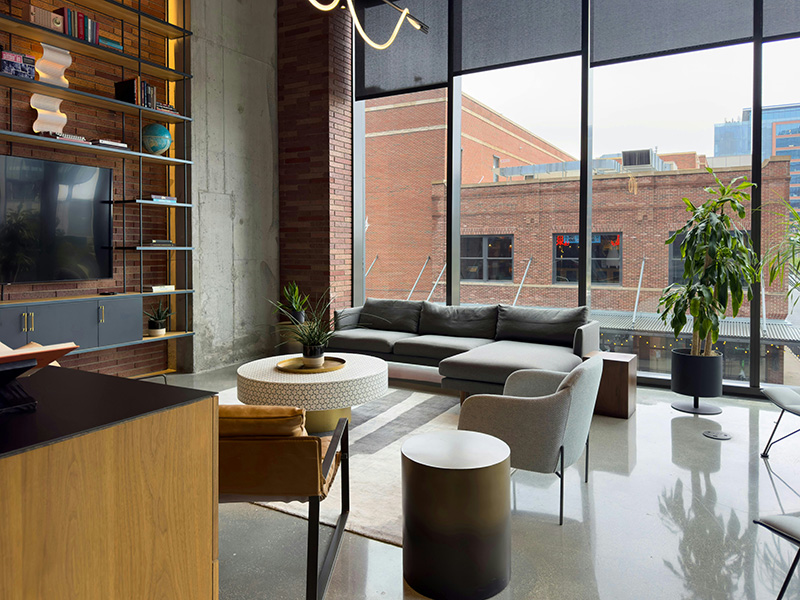
The sectional itself wasn’t collapsing. It wasn’t structurally failing. It had aged — yes — but it hadn’t fallen apart. What if the issue wasn’t the furniture, but the surface?
That distinction matters more than most people realize.
In Alberta, especially during long winters, indoor air becomes extremely dry. Heating systems run constantly. Leather, being a natural material, gradually loses moisture over time. Add friction from daily use, pets, sunlight exposure near windows, and cleaning products that may not be leather-safe — and the protective finish begins to break down.
When that topcoat weakens, colour fades unevenly. Micro-cracks develop where the leather flexes most. The material can look older than it actually is.
From across the room, it reads as “worn out.”
Up close, however, it’s often a surface problem.
After some research, the homeowners decided to explore restoration before committing to replacement. They reached out to a local leather specialist to assess whether the sectional was salvageable. The evaluation was straightforward: the frame was solid, the foam still resilient, and the leather hadn’t torn through. The damage was cosmetic — surface degradation, not structural failure.
That changed the conversation entirely.
Professional leather restoration is far more technical than most people assume. It isn’t a matter of rubbing in a conditioner or brushing on colour. In cases like this one, the process starts with deep cleaning and degreasing to remove years of embedded oils and residue. Without that step, new coatings won’t bond properly.
Once the surface is properly prepared, lightly abraded where necessary, small cracks can be treated with flexible compounds designed to move naturally with the leather. Colour isn’t guessed — it’s custom blended. Matching tone means accounting for undertones and light exposure shifts that have occurred over time.
The application itself is typically sprayed in controlled layers, allowing gradual, even coverage rather than thick coatings that can stiffen the material. Finally, a protective finish is applied to restore the appropriate sheen and improve resistance to future wear.
It’s a craft, not a shortcut.
In this case, the work was completed on-site over the course of a day. The sectional never left the living room.
The result wasn’t a dramatic “brand new showroom” transformation. It was subtler — and more satisfying than that. The colour looked consistent again. The scratches visually disappeared. The cracked areas felt smooth. The leather regained a soft, even appearance that matched the room instead of distracting from it.
Most importantly, it still felt like their sectional. Just refreshed.
The financial difference was significant. Restoration cost a fraction of replacement. There were no delivery delays. No landfill disposal. No uncertainty about whether a new model would match the room’s layout or hold up as well as the original build.
And there’s an environmental aspect that often goes overlooked. Large furniture pieces contribute heavily to landfill waste in Canada. High-quality leather furniture, especially older builds made with thicker hides and sturdier frames, can often last decades if properly maintained. Discarding them because of surface wear isn’t always necessary.
Afterward, the homeowners admitted something interesting. They had assumed that visible wear meant total failure. Seeing the sectional restored shifted how they think about longevity. Good materials age — but aging doesn’t always mean the end.
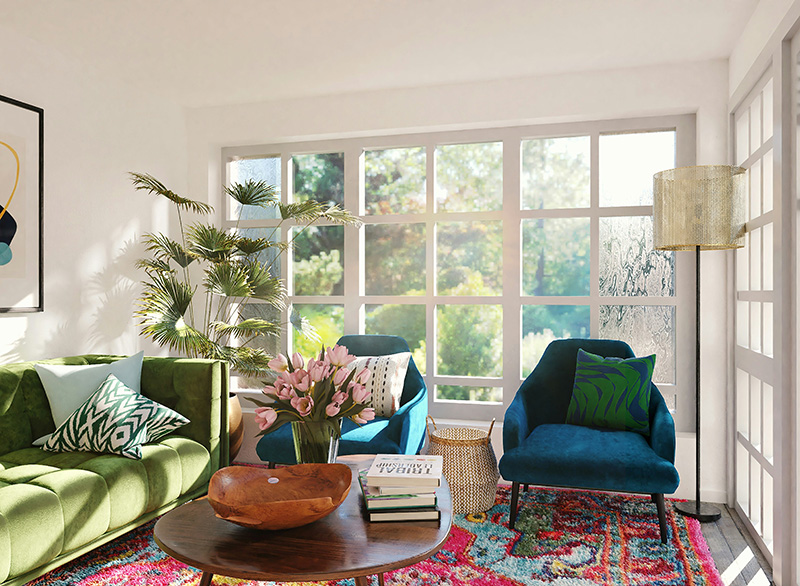
For those curious about what professional leather restoration actually involves, the process is explained in more detail by specialists such as Leather Luxe Repair, who provide in-home leather refinishing services in Edmonton and surrounding areas.
Not every piece can be saved. Deep structural damage, extensive peeling in lower-grade bonded materials, or collapsed cushions may require more intensive intervention. But many well-built leather sectionals that appear “finished” are simply in need of technical refinishing.
The lesson here isn’t that replacement is wrong. Sometimes it’s necessary. But in many Alberta homes, especially where dry climate accelerates surface wear, restoration deserves consideration before disposal.
Furniture often ages from the outside in.
And sometimes, with the right expertise, that’s exactly where the fix begins.
Other articles from totimes.ca – otttimes.ca – mtltimes.ca