Ottawa often feels like several cities stitched together.
Within a short drive — sometimes only a few kilometres — the rhythm of daily life can change dramatically. A resident leaving a condo in Centretown might pass Parliament Hill, cross the river pathways near Hintonburg, and within minutes find themselves in quiet suburban streets where driveways replace bike racks and backyard barbecues replace patio crowds.
It’s one of the most interesting aspects of living in the capital: Ottawa doesn’t transform gradually. It changes block by block.
For many residents, moving within the city can feel like relocating to an entirely different lifestyle.
Downtown Living: Walkable, Busy, and Always in Motion
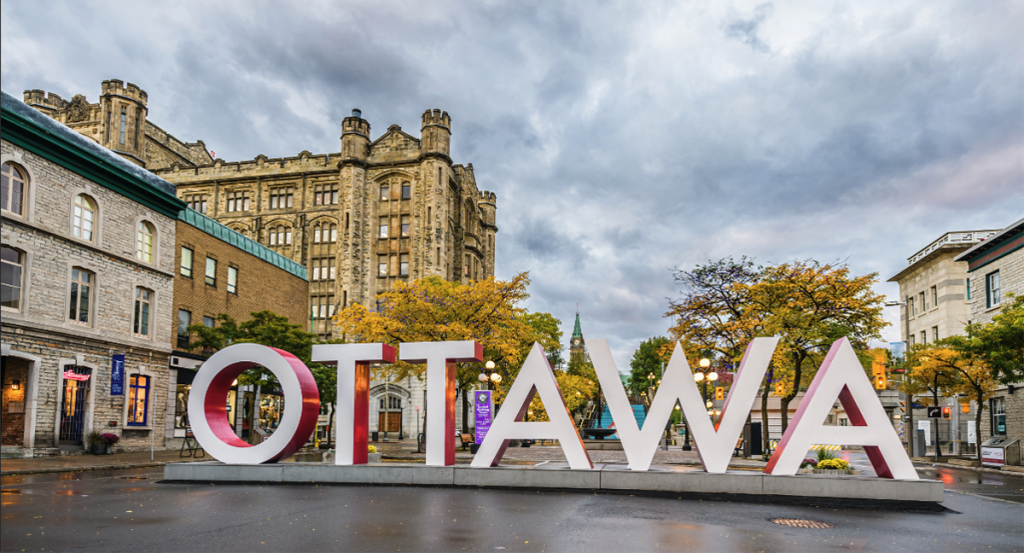
In neighbourhoods like Centretown, the ByWard Market, and the Glebe, life tends to unfold on foot.
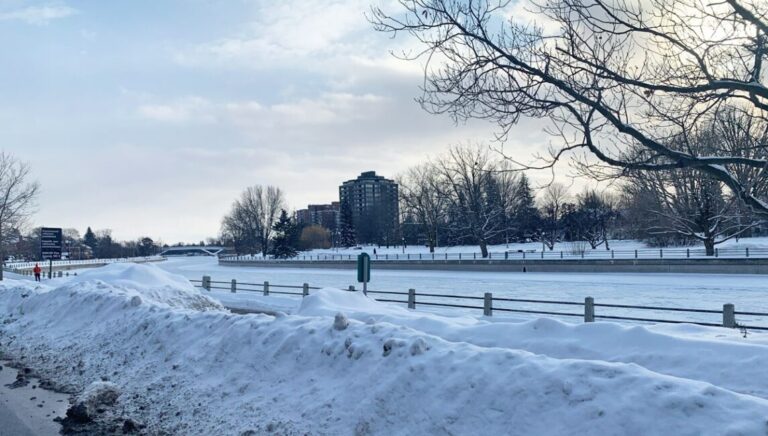
Morning routines might include grabbing coffee at a neighbourhood café, walking to an office downtown, or cycling along the Rideau Canal. Grocery stores, restaurants, and entertainment are rarely more than a few blocks away, and public transit connects most parts of the core quickly.
Living spaces in these areas are often smaller — condos, apartments, and older homes with limited square footage — but the trade-off is convenience. The city feels immediate and accessible.
It’s the kind of environment where errands can be completed during a short walk and spontaneous plans happen easily because everything is nearby.
Mid-City Neighbourhoods: Where Urban Meets Residential
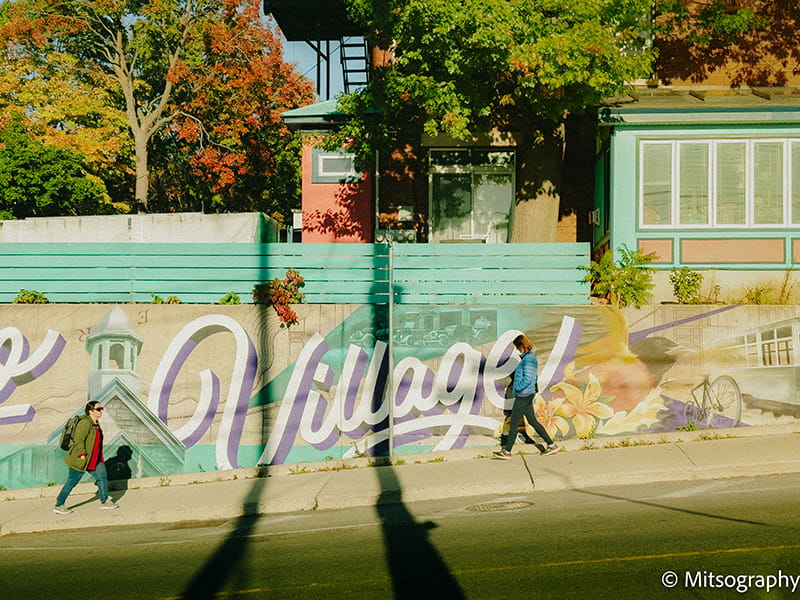
Move a little farther out and Ottawa’s character begins to shift.
Neighbourhoods like Hintonburg, Westboro, and Old Ottawa South offer a blend of urban energy and residential comfort. These areas often attract young families, professionals, and long-time residents who want proximity to downtown while enjoying quieter streets and larger homes.
Local shops, bakeries, and independent restaurants give these communities a neighbourhood feel, while access to the Ottawa River pathways and parks makes outdoor recreation part of everyday life.
In many ways, these mid-city neighbourhoods represent a balance. They maintain much of the convenience of downtown living while offering more space and a slightly slower pace.
Suburban Ottawa: Space, Quiet, and Growing Communities
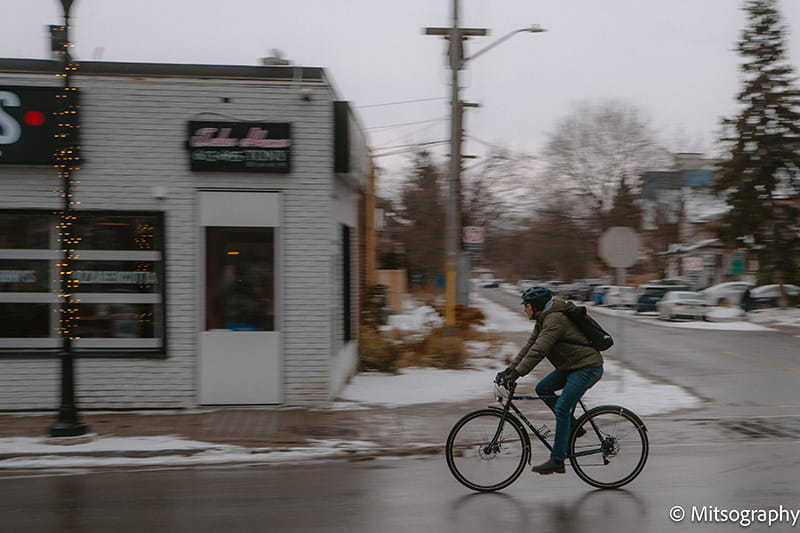
Further from the core, Ottawa opens up.
Communities like Kanata, Barrhaven, and Orleans have grown rapidly over the past two decades, attracting residents looking for larger homes, newer developments, and family-oriented neighbourhoods.
Here, daily life often revolves around schools, parks, sports fields, and community centres. Driveways replace street parking, backyard gardens become more common, and many households rely on vehicles for commuting and errands.
While the pace may feel quieter than downtown, these suburban communities have developed their own hubs of activity — shopping centres, restaurants, and local events that bring neighbours together.
For many Ottawa families, the appeal is simple: more space and a sense of community.
How a Move Across the City Changes Everyday Life
What’s fascinating about Ottawa is how quickly these lifestyle differences appear.
A move from Centretown to Kanata doesn’t just change a home’s size — it changes routines.
Commutes may shift from walking or cycling to driving. Weekend plans might evolve from visiting downtown patios to spending afternoons in parks or community sports leagues. Even simple errands can feel different depending on how a neighbourhood is designed.
For some people, that shift feels refreshing. For others, it can take time to adjust to a new pace of life.
But it’s part of what makes Ottawa unique: the city offers multiple ways to experience it, often within a relatively short distance.
Why More Ottawa Residents Are Moving Across the City
In recent years, many Ottawa residents have been rethinking where they live.
Growing families often look for more space than downtown homes can offer. Others move closer to schools, parks, or workplaces. The rise of remote and hybrid work has also made it easier for some people to consider neighbourhoods farther from the city centre.
Because Ottawa is spread across several distinct communities, these moves don’t necessarily mean leaving the city — just discovering a different part of it.
Planning a Move Within Ottawa
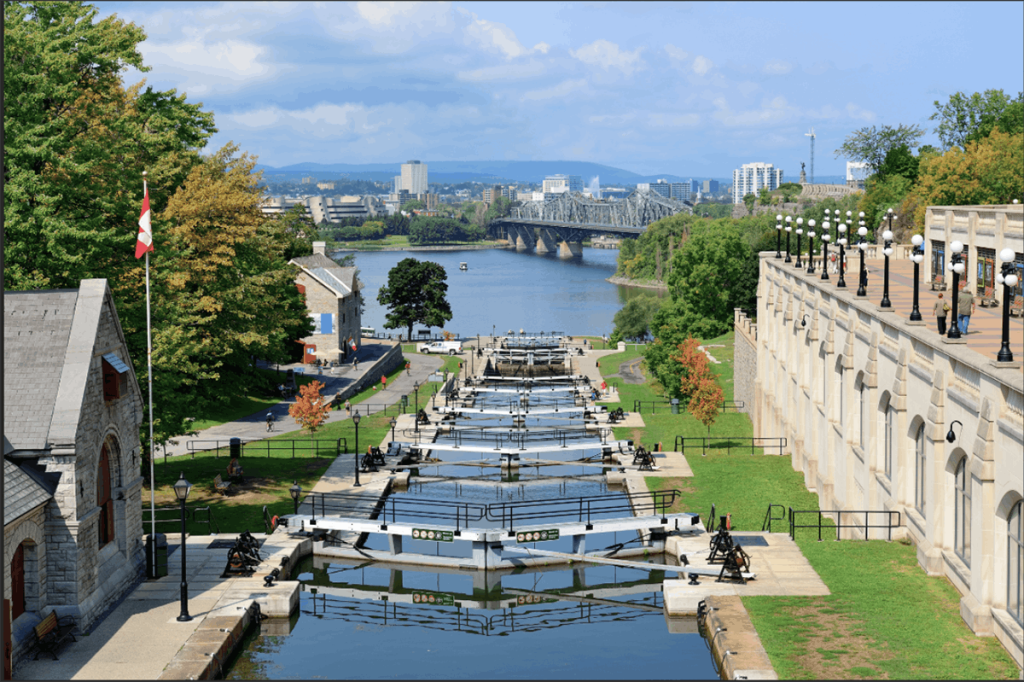
Even when moving only a few kilometres, relocating within Ottawa can involve more planning than many people expect. Downtown buildings may require elevator bookings or limited parking access, while suburban moves often involve coordinating larger households and longer travel distances.
For that reason, many residents choose to work with a professional moving company when planning a move across the city. Experienced movers are familiar with Ottawa’s neighbourhood layouts, seasonal traffic patterns, and the logistical details that can make moving day smoother.
With the right preparation, transitioning from one part of the city to another can feel less stressful — and more like the beginning of a new chapter.
A City That Feels Different Everywhere
What makes Ottawa special isn’t just its role as Canada’s capital. It’s the variety of lifestyles that exist within its boundaries.
From the energy of the downtown core to the quiet streets of suburban neighbourhoods, each part of the city offers a slightly different way to live.
And sometimes, all it takes is moving a few blocks — or a few kilometres — to experience Ottawa in an entirely new way.
Other articles from totimes.ca – otttimes.ca – mtltimes.ca