
Plenty of iGaming companies pick a lane and stay in it. They either build technology for operators, or they run gaming brands for players. Soft2Bet does both, which makes its business model more interesting than the usual neat little label. It works as a B2B supplier with turnkey platform products and gamification tools, and it also operates B2C brands in regulated markets. That split matters because each side feeds the other. One side sells infrastructure. The other side lives with the real-world consequences of using it.
That kind of setup can be messy in a good way. It means the company is not only talking about what operators need. It is also dealing with what players actually notice, where friction shows up, and which features sound clever in a meeting but fall flat once they hit a live product.
In iGaming, that is useful because theory is nice, but reality is louder.
Soft2Bet Works on Both Sides of the Table
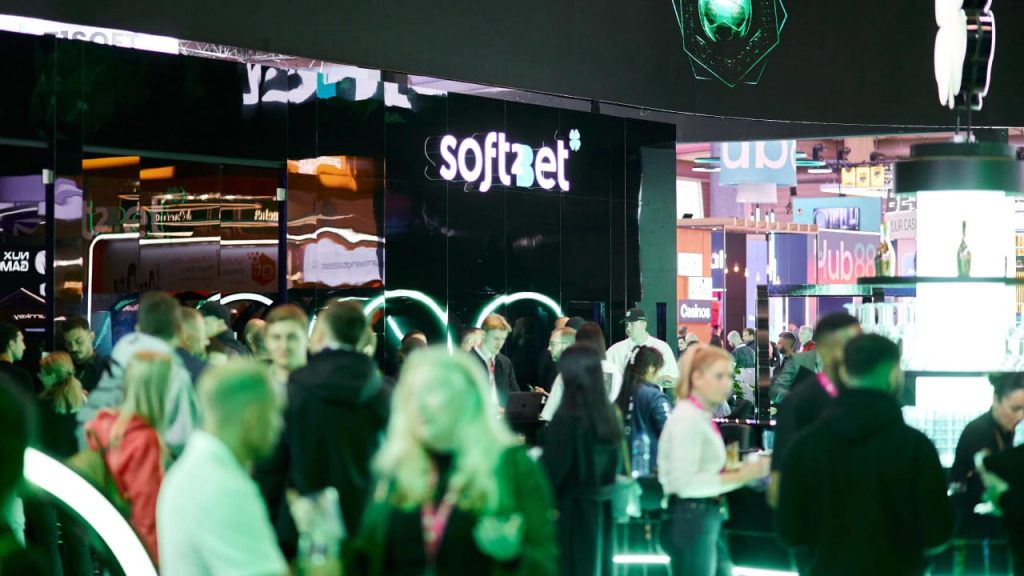
The B2B side is the machinery behind the operation. This is where Soft2Bet provides platforms, casino and sportsbook integrations, payment support, player account tools, and broader turnkey services that help operators launch and run in regulated markets.
The B2C side is more public-facing. That is where the company runs its own brands, including names such as Betinia, Campobet, Quickcasino, Don.ro, and Tooniebet, with localised experiences built for specific markets.
If you want to understand the company properly, this is where Soft2Bet starts to make more sense. It is not just a platform provider operating at arm’s length. It is also operating brands that have to perform in front of real players, under real regulation, with real expectations around payments, usability, retention, and support.
That changes the flavour of the whole model. It is one thing to sell systems. It is another to rely on those systems yourself.
Why This Hybrid Setup Actually Matters
A pure B2B provider can become a bit theoretical over time. It may know compliance. It may know integrations. But if it never runs consumer brands, it can lose touch with what the product feels like once it is live. A pure B2C operator has the opposite problem. It knows users well, but it may not have much reason to build flexible technology that works for outside partners too.
Soft2Bet sits in the middle. That means product decisions can be tested against operator needs and player behaviour at the same time. Not perfectly, obviously. No company gets perfect visibility into everything. Still, the structure gives it a different feedback loop than businesses that only live on one side of the market.
The B2B Side Is More Than a Platform Pitch
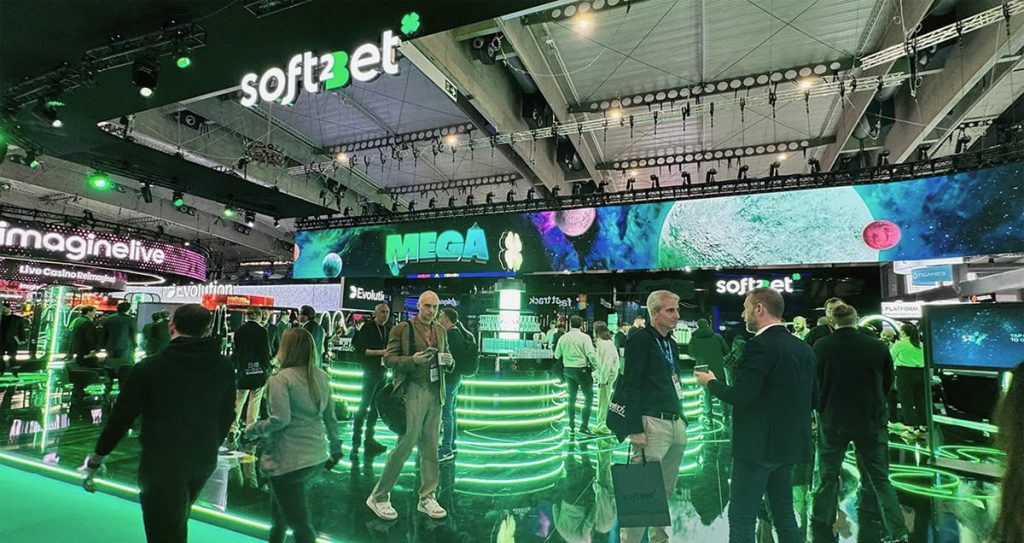
When iGaming companies talk about B2B, the language can get very clean and very dull, very quickly. Platform. Integration. Solution. Ecosystem. You know the drill. Strip that away, though, and the job is pretty straightforward: give operators something stable, adaptable, and usable enough to launch and grow without drowning in technical headaches.
Soft2Bet focuses on integrated sportsbook and casino products, player management, localised market support, and operational and payment tools. In practical terms, that means the B2B side is not just offering a skin and a login page. It is supplying the working structure behind an operator’s product.
What makes that more interesting is the company’s gamification layer, MEGA. Soft2Bet uses MEGA to strengthen engagement and retention through features such as quests, progression systems, rewards, and more tailored player journeys. In a hybrid model, that matters twice. It can support partner operators, while also shaping how the company develops and understands its own live brands.
The B2C Side Keeps Things Honest
Running brands is a useful cure for abstract thinking. Once you operate consumer-facing products, every weak spot becomes visible. Clumsy onboarding. Poor mobile flow. Bonuses that sound exciting but land badly. Payment journeys that look fine on paper and annoy people in practice.
That is one reason the hybrid model has weight. B2C activity forces the company to deal with the human side of the product, not just the system diagram. Soft2Bet clearly focuses on local relevance and tailored user experiences in different markets. That suggests market fit is part of the product from the beginning, not something added later.
A model like this can sharpen a company in a few very practical ways:
- It exposes product issues faster
- It gives more direct evidence of what players respond to
- It makes localisation a live operational problem, not a theoretical one
- It helps the company see which engagement features travel well across markets
None of that guarantees success on its own, but it does create a clearer link between planning and delivery.
The Tricky Part: Balance
Of course, the hybrid model is not magic. It comes with tension built into it. A company serving operators has to think in terms of flexibility, partner needs, and broad applicability. A company running its own brands also has to think in terms of direct performance, user retention, and market execution. Those are related goals, but they are not always identical.
Why the Hybrid Model Fits Soft2Bet
Soft2Bet’s structure makes sense because its product story is not only about offering software, and not only about running brands. It is about using each side to sharpen the other. The B2B side brings scale, systems, and external relevance. The B2C side brings friction, feedback, and proof.
In iGaming, that is not a bad combination. It keeps technology closer to actual use and it keeps product talk a little more grounded. It gives the company a reason to think about platforms the way the industry should probably think about them anyway: not as isolated tools, but as working environments that have to satisfy operators, regulators, and players all at once.
submitted post