It is easy to think of dental care as something that becomes important only when a tooth hurts. In reality, many oral health problems begin well before they cause noticeable pain.
Tooth decay can develop quietly, gum inflammation may initially cause only minor symptoms, and existing dental work can gradually wear down without creating an obvious problem. Regular preventive care gives dentists an opportunity to monitor these changes and helps patients understand what they can do between appointments to protect their teeth and gums.
Preventive dentistry also changes as we age. The concerns affecting a child are not necessarily the same as those affecting a young adult, parent, or older adult. Understanding these differences can make it easier to maintain good oral health throughout life.
What Does Preventive Dental Care Include?
Preventive dentistry focuses on maintaining oral health and identifying potential concerns before they become more complicated.
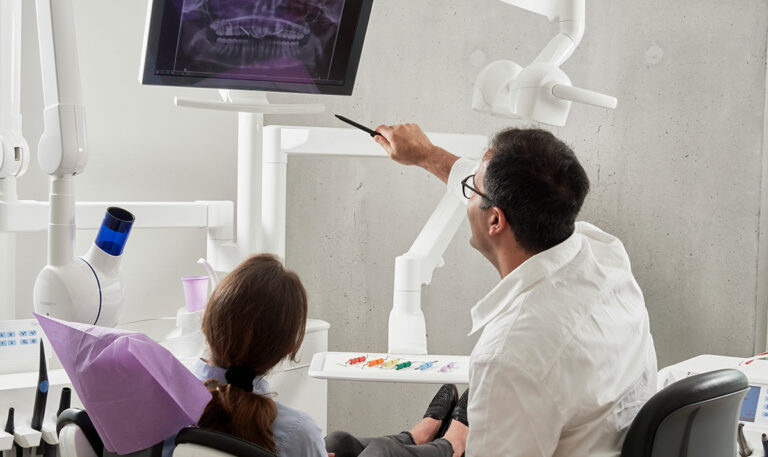
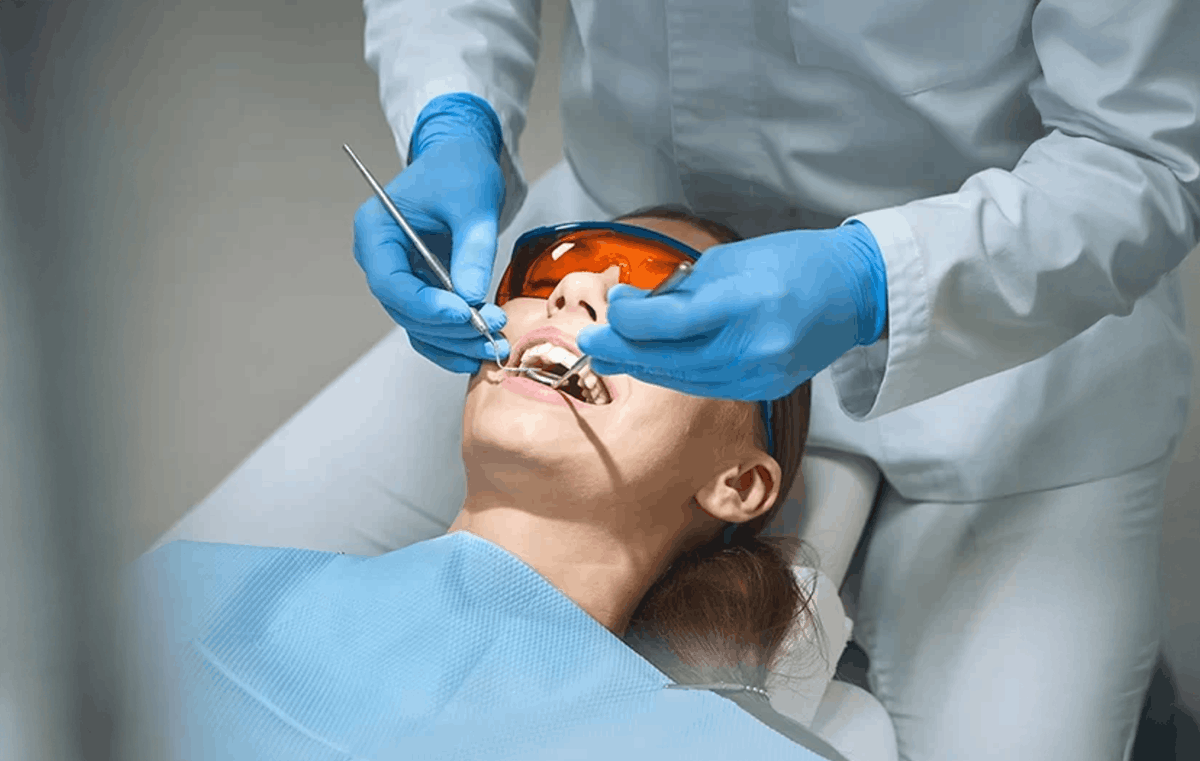
Depending on a person’s needs, preventive care may include routine dental examinations, professional cleanings, dental X-rays when appropriate, fluoride treatment, dental sealants, gum assessments, and advice about home oral hygiene.
A dentist may also evaluate existing fillings, crowns, bridges, implants, and other dental work to make sure they continue to function as intended.
Preventive appointments are not simply about searching for cavities. They provide an opportunity to look at the condition of the entire mouth and identify changes that patients may not be able to see themselves.
Childhood: Building Healthy Habits Early
A child’s first experiences with oral care can influence habits that continue into adulthood.
Brushing twice daily, learning how to clean between the teeth, and understanding the effect of frequent sugary snacks and drinks can all contribute to healthier teeth.
Routine dental visits can also help monitor how children’s teeth and jaws are developing.
As permanent teeth begin to appear, dentists may discuss preventive options such as fluoride or sealants when appropriate. Dental sealants are thin protective coatings that can be applied to the chewing surfaces of certain teeth to help protect areas that are particularly difficult to clean.
Just as importantly, regular visits allow children to become familiar with the dental environment when they are not experiencing an emergency or toothache.
The Teenage Years Bring New Dental Challenges
Teenagers often experience a different set of oral health concerns.
Changing diets, increased independence, sports participation, orthodontic treatment, wisdom teeth, and inconsistent brushing habits can all affect dental health during this stage.
Sugary beverages and frequent snacking can increase exposure to acids and sugars throughout the day. Teens wearing braces or other orthodontic appliances may also need to pay closer attention to cleaning around brackets and wires.
For teenagers involved in contact sports, a properly fitted mouthguard may help protect the teeth and surrounding tissues from injury.
Regular dental appointments give both teenagers and parents an opportunity to discuss these changing needs.
Young Adults Should Not Wait for Pain
Young adulthood is often when regular dental routines begin to slip.
University, work, moving away from home, and changing schedules can make dental appointments easier to postpone. If the teeth feel fine, skipping an examination may not seem particularly important.
However, oral health problems do not always produce early symptoms.
Small cavities, early gum disease, cracked fillings, or enamel wear may be present without causing significant discomfort. By the time persistent pain develops, the underlying problem may have progressed further.
Preventive visits allow these changes to be identified and monitored while they are still relatively small.
Oral Health During Busy Family Years
For many adults, careers, children, and household responsibilities compete for time. Dental appointments can easily move to the bottom of a busy schedule.
This is also a period when previous dental work may require ongoing monitoring.
Fillings, crowns, bridges, and other restorations experience years of pressure from biting and chewing. Teeth may also show signs of grinding, clenching, erosion, or everyday wear.
Adults who have children can benefit from treating dental appointments as part of the family’s regular health routine rather than something arranged only when a problem occurs.
Finding a conveniently located dentist in Richmond Hill or in one’s own community can make it easier to maintain regular care when appointments have to fit around work, school, and family commitments.
Gum Health Becomes Increasingly Important
Healthy gums provide essential support for the teeth, yet early gum problems are often overlooked.
Bleeding while brushing or flossing is sometimes treated as normal, but persistent bleeding can be associated with gum inflammation.
Other signs that deserve attention may include swollen or tender gums, gum recession, persistent bad breath, or changes in the way teeth feel when biting.
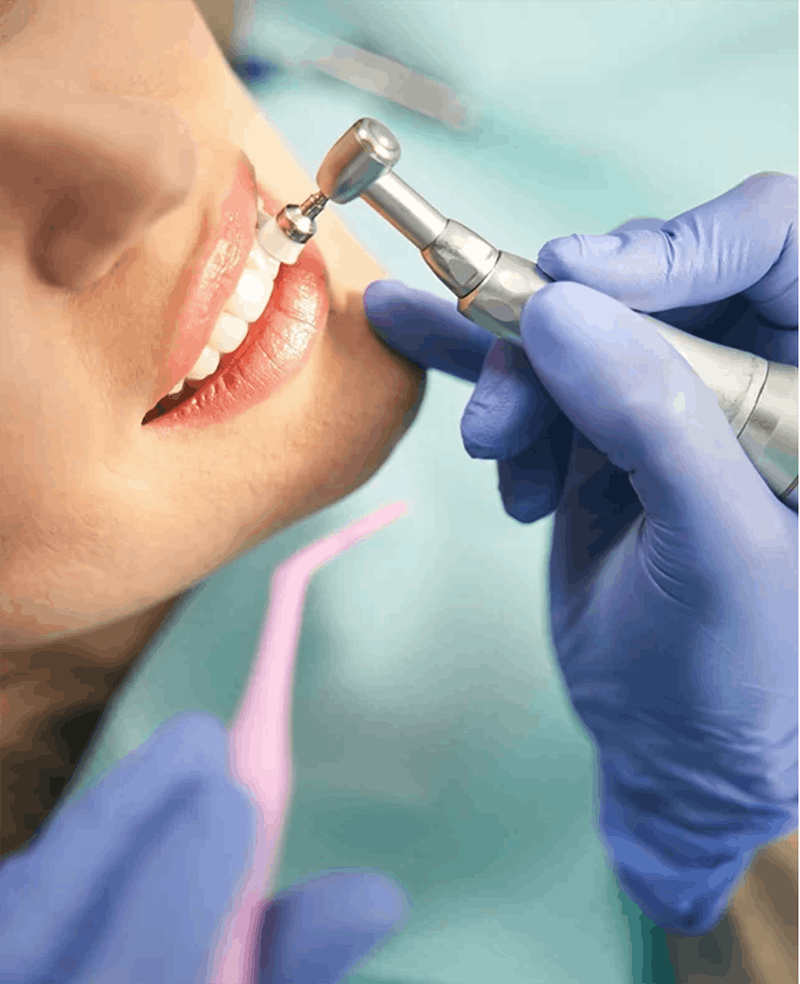
Regular dental examinations allow the gums and supporting tissues to be assessed. Professional cleaning can also remove hardened deposits that cannot be removed effectively with a regular toothbrush at home.
Maintaining good gum health becomes particularly important as people get older.
Existing Dental Work Needs Maintenance Too
Dental treatment does not necessarily last forever without monitoring.
Fillings can wear, crowns can become damaged, and the tissues around implants or bridges still require regular cleaning and assessment.
Someone who has received restorative dental treatment may therefore have even more reason to maintain regular examinations.
Dentists can look for changes around restorations and identify areas that may require closer attention at home.
This does not mean that every older filling or crown needs replacement. Instead, routine monitoring helps determine whether existing dental work continues to function properly.
Older Adults Have Different Oral Health Needs
Age itself does not automatically lead to poor dental health, but certain changes become more common later in life.
Older adults may have more existing dental restorations, missing teeth, gum concerns, or medical conditions that affect oral care.
Some medications can contribute to dry mouth. Saliva plays an important role in protecting the mouth, so reduced saliva can increase the risk of certain oral health problems.
Changes in dexterity can also make brushing and flossing more difficult for some people.
A dentist or dental hygienist can suggest modifications to home-care routines when traditional methods become harder to manage.
The Connection Between Everyday Habits and Dental Health
Professional dental care is only part of prevention.
What happens every day has a major influence on oral health.
Helpful habits generally include:
- Brushing thoroughly twice a day with fluoride toothpaste
- Cleaning between the teeth regularly
- Limiting frequent sugary foods and beverages
- Drinking water throughout the day
- Avoiding tobacco products
- Paying attention to unusual changes in the mouth
Consistency is more useful than attempting to compensate for poor habits shortly before a dental appointment.
Small actions repeated every day can make a meaningful difference over many years.
When Should You See a Dentist Between Routine Visits?
Preventive care does not mean waiting until the next scheduled appointment when something unusual happens.
Patients should contact a dental professional when they notice persistent or significant changes such as tooth pain, swelling, a broken tooth, prolonged sensitivity, bleeding gums, a loose restoration, or an injury involving the mouth.
Sudden swelling, severe pain, facial trauma, or signs of infection may require more urgent assessment.
Being familiar with your normal oral health makes it easier to recognize when something has changed.
How Often Should Dental Exams Be Scheduled?
There is no single schedule that is ideal for everyone.
The appropriate interval between examinations depends on factors such as age, cavity history, gum health, existing dental work, oral hygiene, diet, medical conditions, and individual risk.
Someone with ongoing dental or gum concerns may need more frequent monitoring than a person whose oral health has remained stable.
A dental professional can recommend an appropriate recall schedule based on individual circumstances.
Prevention Is About More Than Avoiding Treatment
Preventive dentistry is sometimes described simply as a way to avoid cavities, but its purpose is broader than that.
Regular care allows people to understand the condition of their teeth and gums, identify changes over time, maintain existing dental work, and receive advice that reflects their individual needs.
It can also make dental care feel more predictable. Visiting a clinic regularly means many appointments take place when nothing hurts, rather than every dental experience beginning with an emergency.
Making Oral Health Part of Long-Term Health
Our dental needs change from childhood through the teenage years, adulthood, and later life, but the value of paying attention to oral health remains consistent.
Daily brushing and interdental cleaning form the foundation. Regular professional care adds another layer by allowing changes to be identified that may not be visible or painful yet.
Rather than viewing dental appointments as something reserved for toothaches, it can be more useful to treat oral care as an ongoing part of maintaining health.
Good preventive habits established today can continue supporting comfortable eating, speaking, and smiling through many different stages of life.
contributed post