

Transporting a work of art requires far more than simple logistical organization. Those who enter this field quickly discover the extent of the precautions needed to preserve precious objects that carry both sentimental and financial value. Between the extreme fragility of the items being moved and the many risks involved, such as impacts or temperature fluctuations, every detail becomes critical. So why can art transport truly never be improvised? A closer look at the demanding and meticulous nature of this activity is essential.
The Unique Challenges of Art Transport
Behind every operation lies a specific challenge: each work of art comes with its own constraints, including sensitivity to movement, delicate materials, and regulatory requirements. This diversity makes any standardized approach impossible, as transport must be tailored to the precise nature of the valuable object.
An emotional dimension further compounds the technical difficulty. Many owners attach strong sentimental value to their paintings, sculptures, or photographs. These emotional considerations are often accompanied by substantial financial stakes, reinforcing the need for advanced protection and carefully adapted solutions.
When Digital Solutions Structure and Secure Art Transport
Faced with this complexity, art transport no longer relies solely on human expertise or on-the-ground experience. New digital solutions now make it possible to structure, secure, and streamline the entire process from the very first stages of a project. This is precisely where Moviiu comes into play, a platform dedicated to the transport of works of art, designed to connect clients with specialized carriers through a fully digitalized approach.
Moviiu makes it possible to anticipate the specific constraints of each artwork thanks to precise qualification of requirements: object type, dimensions, value, environmental constraints, and time-sensitive demands. This centralization of information facilitates the selection of appropriate service providers and significantly reduces areas of uncertainty that often lead to incidents. For collectors, galleries, museums, and art market professionals, this approach offers greater visibility and improved control over transport operations, without ever standardizing processes that must remain tailor-made.
What Are the Main Risks When Transporting a Work of Art?
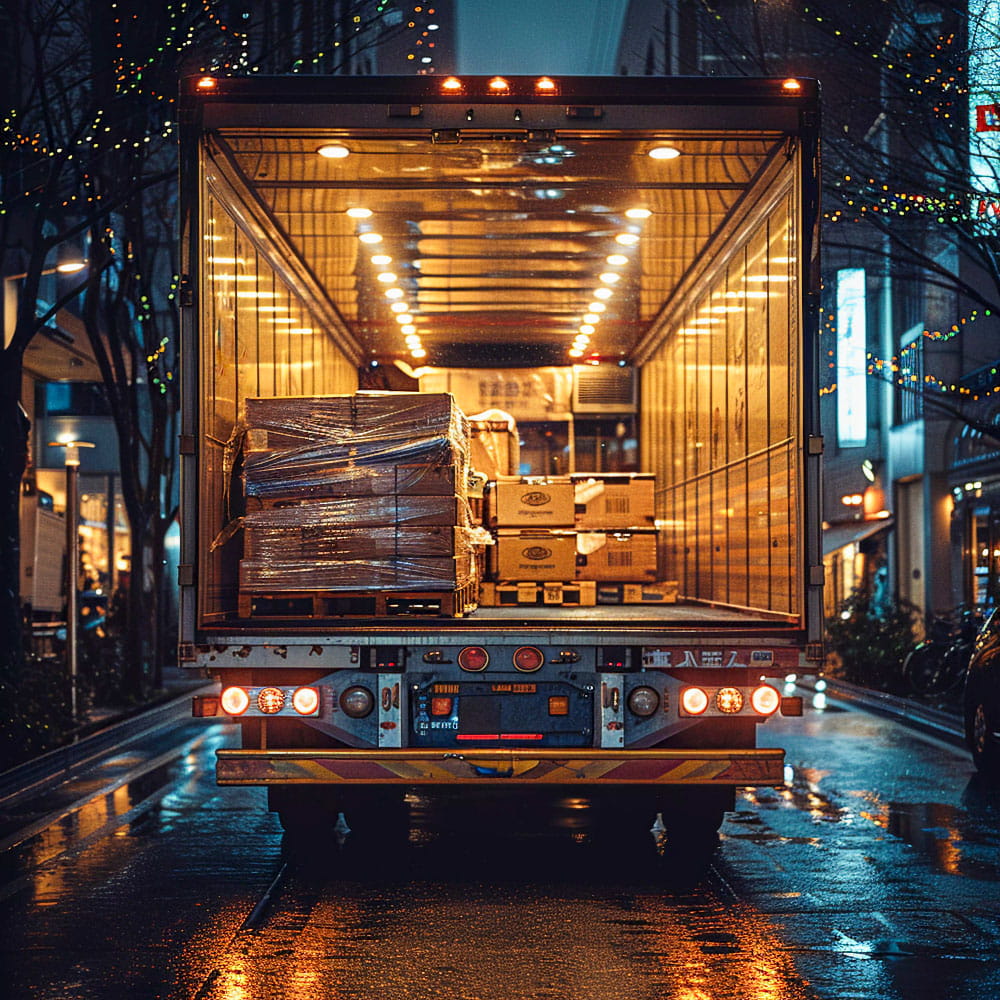
The movement of works of art brings with it a wide range of potential dangers. Accidental impacts related to handling are the most obvious, but many other less visible yet equally serious threats exist.
Logistical complexity goes far beyond the simple act of physical movement. Temperature variations can damage materials, while humidity promotes mold growth and irreversible deterioration. Not to mention the devastating consequences that a breakage or fall during transport could cause.
Physical Risks: Impacts, Breakage, and Improper Handling
Every handling operation exposes a work of art to the risk of direct impact or improper movement. A moment of inattention can be enough to crack a rare ceramic piece or scratch an antique painting. Incorrect handling can result in considerable damage, which is why expert, well-trained handling is essential.
Specific conditions, such as navigating narrow staircases or transporting artworks over long distances, further amplify these physical risks. It is therefore difficult to entrust such valuable objects to just any provider; specialized art transporters are indispensable for minimizing the risk of incidents.
Environmental Factors: Uncontrolled Temperature and Humidity
Certain materials react strongly to climatic changes. Wood, canvas, and some pigments are particularly sensitive to temperature fluctuations and excess humidity. Sudden exposure to a cold draft, for example, can cause cracking or accelerate the natural aging of a work of art.
To guard against these harmful effects, specialized insulating packaging is essential, combined with rigorous monitoring of ambient conditions throughout the journey.
Security and Protection Against Theft
Beyond material risks, protection against theft is also a major concern for collectors and museums. Works of art attract attention and therefore require special vigilance during transport. Every stage, from planning to unloading, incorporates specific protocols to ensure confidentiality and deter any illicit attempts.
The use of secured vehicles, the use of discretion regarding routes, and the presence of alarm systems are among the measures commonly implemented by specialized art transporters.
How to Prepare a Work of Art Before Transport
Properly preparing a work of art before shipment significantly reduces the risks outlined above. From the choice of packaging to specialized labeling, each step is designed to protect both the surface and the structural integrity of the valuable object.
A preliminary assessment carried out by experts helps identify points of vulnerability in advance. This process then enables the selection of appropriate packaging materials and the determination of the handling methods to be adopted.
The Importance of Specialized Packaging
It is impossible to rely on ordinary cardboard boxes for such a mission. Specialized packaging uses memory-foam padding, custom-built crates, or protective films adapted to the shape and texture of each work of art. The goal is to absorb potential shocks, prevent contact with abrasive surfaces, and control the atmosphere surrounding the valuable object.
This attention to detail extends preservation well beyond arrival, protecting the artwork not only during transport but also during temporary storage.
Safe Handling and Manipulation
Packaging alone is not enough; each creation must also be handled correctly. Professionals receive specialized training to handle paintings, sculptures, or fragile installations with care and precision. Some works require specific tools or supports to avoid excessive pressure or unwanted torsion.
In international transport, logistical complexity increases further, as each country may apply its own customs regulations, often requiring meticulous administrative support to avoid complications.
Why Rely on Specialized Art Transporters
Given all these requirements, using specialized transporters is far from a superfluous luxury. These professionals combine practical expertise, mastery of appropriate tools, and a deep understanding of the issues related to the fragility of works of art.
Unlike a conventional move, each operation is tailored to the situation and fully managed by teams accustomed to handling unforeseen challenges. As a result, risks are significantly reduced, and owners enjoy greater peace of mind.
Expertise and Appropriate Insurance
The expertise of specialized transporters goes beyond logistics alone. They often provide suitable insurance coverage, offering strong guarantees in the event of a loss. Their in-depth knowledge of materials, modern packaging techniques, and regulatory constraints significantly reduces the likelihood of accidents or damage.
In addition, these providers rely on a proven network of partners, such as restorers and conservators, who can intervene at every stage if necessary.
Comprehensive Management of Logistical Complexity
Entering this field means accepting the constant management of logistical complexity. From initial preparation to final installation, each phase can present new challenges: road closures, weather conditions, international coordination, or difficult site access.
Specialized transporters anticipate these issues through meticulous organization, continuous dialogue with their clients, and the deployment of the necessary resources (equipment, materials, and qualified personnel).
- Personalized assessment of each artwork prior to shipment
- Use of custom-built crates designed to absorb shocks and vibrations
- Strict control of temperature and humidity levels during transport
- Continuous monitoring via onboard sensors or regular visual checks
- Optimal protection ensured by personnel accustomed to managing both the sentimental and financial value of entrusted objects
Why Responsibility Goes Far Beyond Delivery
Believing that the mission ends upon delivery at the site would be a mistake. The transporter’s responsibility also includes a full condition check of the artworks, follow-up over several days, and, in some cases, the installation of entire exhibitions involving complex handling operations.
At the end of this demanding journey, the satisfaction derived from the long-term preservation of artistic heritage more than justifies the investment made. Knowing that each valuable object has traveled through distances and obstacles without damage underscores the true, irreplaceable value of such a highly specialized service.
Other articles from totimes.ca – otttimes.ca – mtltimes.ca