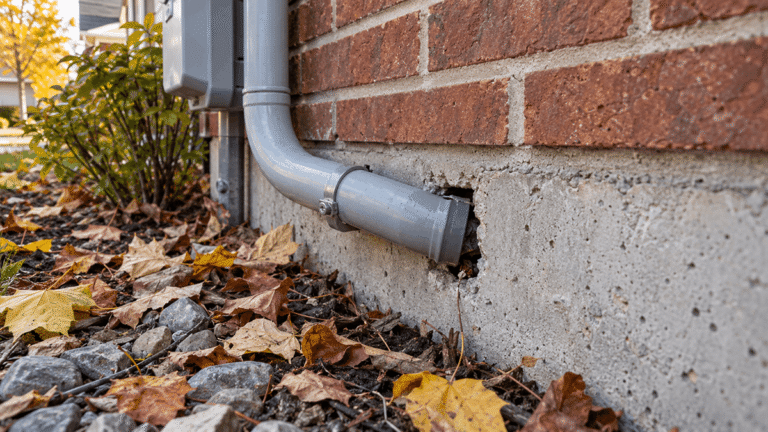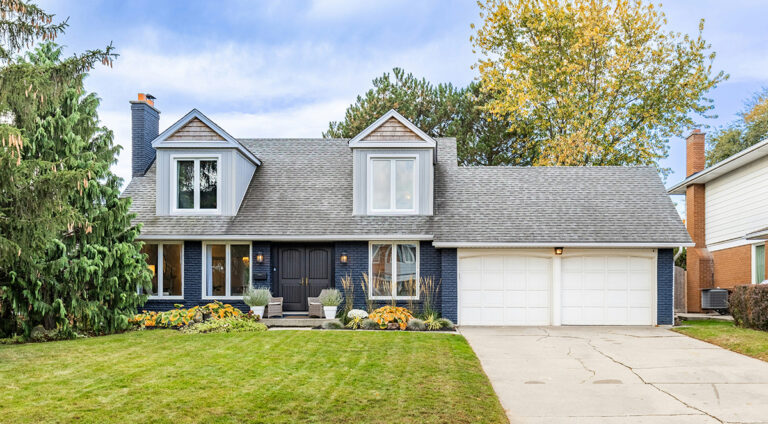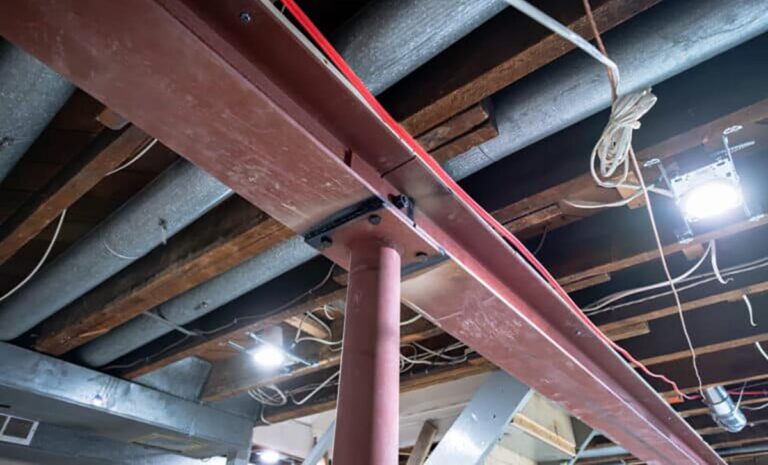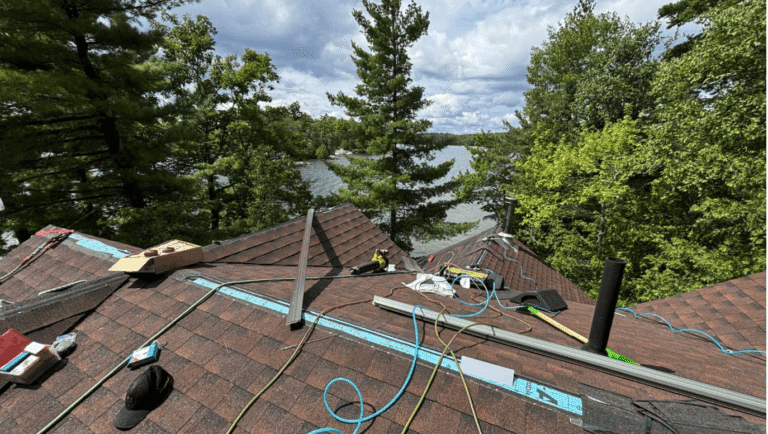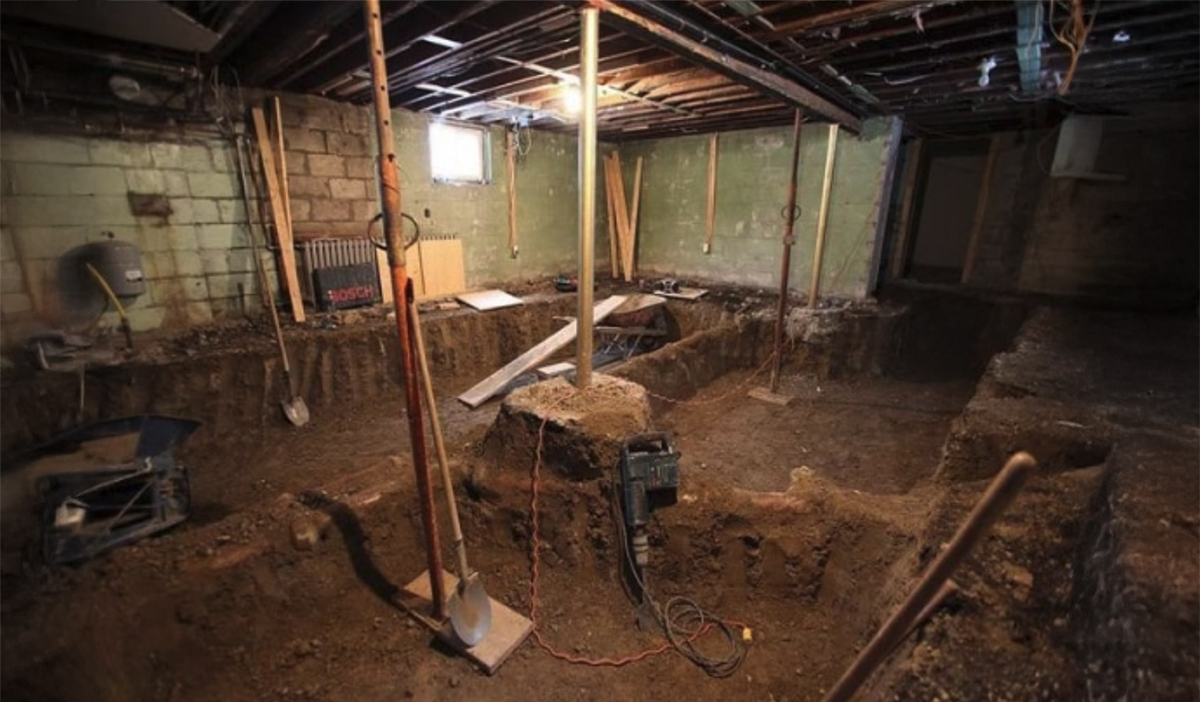
Above: Staged underpinning: each section is excavated, poured, and cured before adjacent panels are touched
Thinking about lowering your basement floor in Ottawa or the GTA? Before you commit, here is what every Ontario homeowner needs to understand about the process, the permits, and the real costs involved.
Demand for basement underpinning has grown steadily across Ontario’s major cities. In Ottawa, Toronto, and the surrounding suburbs, homeowners are choosing to add liveable height below grade rather than moving to a larger property. The math increasingly makes sense: in urban markets where land values are high, turning a low, unfinished basement into a proper living space can add significant square footage at a fraction of the cost of buying more property.
But underpinning is one of the most technically demanding and heavily regulated home renovation projects a property can undergo. Done right, it permanently transforms a basement. Done without proper engineering, permits, or sequencing, it can compromise the structural integrity of the entire house. Here is what to understand before you get started.
What Underpinning Actually Does
Your house rests on footings – concrete pads poured below the frost line (at least 1.2 metres in Ontario) that carry the building’s load into the ground. When a basement ceiling is too low to use comfortably – typically anything under 6’5″ – the floor cannot simply be dug out without undermining those footings and putting the entire structure at risk.
Underpinning solves this by extending the footings downward in carefully staged sections. Each section is excavated, poured with new concrete, and allowed to fully cure before the adjacent section is touched. This staged approach maintains structural support throughout the process and is what separates safe underpinning from dangerous shortcuts.
The Two Main Methods
- Full underpinning – the footings are extended straight down. The basement retains its full floor footprint. Higher cost, but no floor space is lost to the walls.
- Bench footing (bench pinning) – a concrete ledge is formed inside the perimeter. Less expensive, but it consumes usable floor space along the walls – typically 8 to 18 inches on each side.
Which method is right depends on your basement size, your budget, and what you plan to use the space for. A structural engineer will specify the method and the exact depth based on your soil conditions and existing footing dimensions.
Ontario Building Code and Permits
Underpinning is a structural alteration and requires a building permit in every Ontario municipality – Ottawa, Toronto, Mississauga, and elsewhere. The municipality requires engineered drawings, staged inspections, and final sign-off before the project is considered complete. No municipality allows work to proceed between inspection stages without approval.
Skipping permits is not just a legal risk. In Ontario, unpermitted structural work is a material defect under real estate disclosure rules. It can make a property difficult or impossible to sell or refinance, and it can void home insurance coverage for related claims.
What the Process Looks Like, Stage by Stage
| Stage | What Happens | Who Is Involved |
|---|---|---|
| 1. Engineering assessment | Existing foundation reviewed, underpinning sequence and new footing design specified | Structural engineer (licensed in Ontario) |
| 2. Permit application | Drawings submitted to municipality for review and approval | Contractor or homeowner |
| 3. Staged excavation | Every third panel excavated, poured, cured before adjacent panels are touched | Underpinning contractor |
| 4. Municipal inspections | Inspector reviews each stage before next section begins | Municipal building inspector |
| 5. Floor slab | Full-basement concrete slab poured after all sections complete and approved | Contractor |
| 6. Permit close-out | Final inspection and permit sign-off | Municipal building inspector |
Realistic Costs in Ontario
Underpinning costs in Ontario depend on basement size, required depth, soil conditions, and whether drainage and finishing work are included. For a standard detached or semi-detached home in Ottawa or the GTA, most homeowners budget between $30,000 and $70,000 for a full underpinning project. Projects that include concurrent interior drainage, plumbing rough-ins, and finishing work fall at the higher end.
Per-linear-foot bench pinning pricing runs lower, but the reduction in usable floor space means fewer net square feet gained. Get at least three written quotes and ask each contractor whether their price includes the structural engineer, permits, debris disposal, and concrete work – or whether those are separate line items.
Combine Underpinning with Other Below-Slab Work
Underpinning is the right moment to address any existing foundation moisture issues and to rough-in plumbing for a future bathroom. Once the new floor slab is poured and the permit is closed out, accessing the sub-slab level again means tearing up finished concrete – an expensive and disruptive process. Plan all sub-slab work before the concrete goes in. Toronto-area homeowners working with contractors who specialize in basement underpinning Toronto projects frequently combine underpinning with waterproofing and drainage work in the same project to avoid this problem.
For more home renovation guidance relevant to Ontario property owners, the Ottawa Times covers local real estate and home improvement topics regularly.
Questions to Ask Your Contractor
- Are you WSIB-covered and do you carry general liability insurance? Can you provide certificates?
- Who is the structural engineer, and are they licensed in Ontario?
- How many municipal inspection stages does this project require?
- What is your process if unexpected soil conditions or utilities are encountered?
- Does the quote include waterproofing the new footing area?