Planning an event in Ottawa can be exciting, but it can also become overwhelming quickly. Whether you are organizing a birthday celebration, wedding reception, corporate gathering, anniversary, graduation party, or private dinner, there are many details to coordinate. The venue, guest list, food, drinks, entertainment, decorations, transportation, and schedule all need attention.
The good news is that you do not have to manage everything alone. Ottawa has a wide range of local event services that can make hosting easier and help you create a smoother experience for both you and your guests.
Use this ultimate Ottawa event planning checklist to organize your next gathering with greater confidence.
1. Start With the Event Basics
Before contacting vendors or booking services, define the basic details of your event. Start by deciding:
- What type of event are you hosting?
- What is the expected guest count?
- What is your overall budget?
- What date and time will the event take place?
- Will the event be indoors, outdoors, or a combination of both?
- What kind of atmosphere do you want to create?
These decisions influence nearly every other part of the planning process. A formal corporate reception will require different services from a casual backyard celebration. Similarly, a small private dinner may need only a few vendors, while a large wedding or gala may require a full team of professionals.
Creating a simple event brief at the beginning can help you stay organized. Include your estimated guest count, budget range, preferred style, event goals, and must-have services.
2. Choose the Right Ottawa Venue
The venue is one of the most important decisions you will make. Your location affects the guest experience, catering options, parking, accessibility, layout, and overall atmosphere.
When comparing Ottawa venues, consider more than appearance. Ask about:
- Maximum capacity
- Rental hours
- Setup and cleanup policies
- Tables and chairs
- Kitchen or catering access
- Sound restrictions
- Parking and transportation
- Accessibility features
- Insurance requirements
- Weather backup options for outdoor events
Ottawa offers a wide variety of event spaces, from hotels and banquet halls to restaurants, community venues, private residences, and outdoor locations. The right choice depends on the size and style of your event.
Always visit the venue before signing a contract if possible. Walking through the space can help you understand how guests will move through the event and where food, drinks, entertainment, seating, and registration areas should be placed.
3. Book Catering Early
Food is often one of the most memorable parts of an event. A reliable caterer can make the experience easier while reducing the pressure on the host.
When selecting a catering service, ask about menu flexibility, dietary accommodations, staffing, serving style, and cleanup. Consider whether you want:
- A plated meal
- Buffet service
- Food stations
- Passed appetizers
- Family-style dining
- A casual food truck experience
Make sure your menu reflects the event style and the needs of your guests. Vegetarian, vegan, gluten-free, halal, and allergy-conscious options may be important depending on your guest list.
You should also confirm how much service the caterer provides. Some companies handle food preparation and serving but leave cleanup to the host. Others offer full-service packages that include staff, dishware, table setup, and post-event cleanup.
4. Arrange Professional Beverage Service
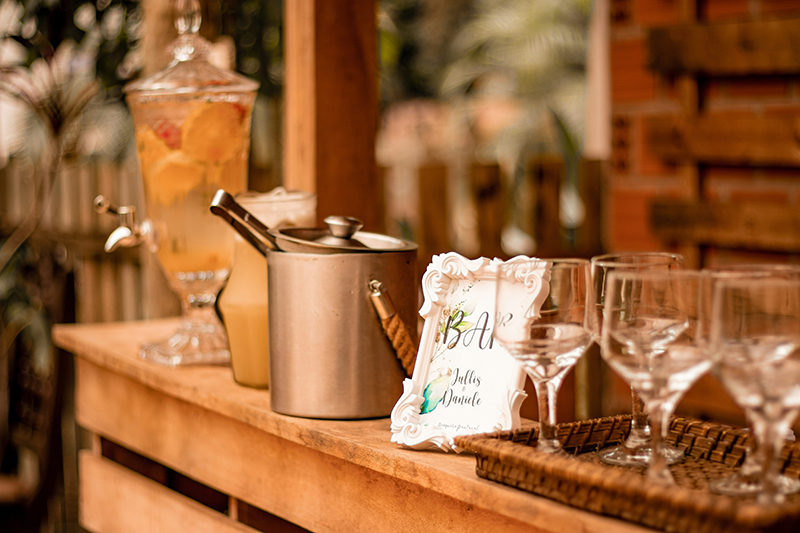
Drinks can become one of the most complicated parts of hosting, particularly when the guest list is large. A professional beverage team can help manage service, improve efficiency, and allow the host to spend more time with guests.
For private celebrations, weddings, corporate gatherings, and milestone events, many hosts choose to work with mobile bartenders for private events. This type of service can bring trained bartending staff directly to the venue and help manage drink preparation, guest service, bar setup, and responsible service practices.
Before booking a beverage service, ask what is included. Some companies provide bartenders only, while others may offer bar equipment, mixers, garnishes, glassware, menu planning, and setup support.
It is also important to understand local requirements and venue policies related to alcohol service. Confirm who is responsible for purchasing alcohol, whether permits are required, and what insurance coverage the venue expects.
5. Build a Realistic Event Budget
A detailed budget helps prevent unexpected expenses. Begin by listing your major categories:
- Venue rental
- Catering
- Beverage service
- Entertainment
- Decorations
- Photography or videography
- Rentals
- Transportation
- Invitations and stationery
- Staffing
- Permits or insurance
- Cleaning and waste removal
Set aside a contingency amount for unexpected costs. Even well-planned events can involve last-minute transportation needs, additional rentals, extra staffing, weather-related changes, or guest count adjustments.
It is also helpful to ask vendors for complete quotes. A low initial price may not include delivery, setup, service fees, taxes, or overtime. Understanding the full cost before signing an agreement makes budgeting much easier.

6. Plan the Event Layout
A thoughtful layout can significantly improve the flow of an event. Think about where guests will enter, check in, sit, eat, socialize, and access the bar or refreshments.
For example, placing the bar directly beside the entrance may create congestion. A better location might encourage guests to move naturally through the space. Similarly, entertainment should be positioned where guests can see and hear it without blocking conversations.
Consider creating separate zones for:
- Guest arrival
- Registration or welcome
- Dining
- Drinks
- Entertainment
- Dancing
- Quiet seating
- Coat storage
- Restrooms
For outdoor events, think carefully about lighting, power sources, weather protection, and ground conditions. Ottawa weather can change quickly, so having a backup plan is essential for outdoor gatherings.

7. Hire Entertainment That Fits the Audience
Entertainment should support the event rather than compete with it. The right choice depends on the type of gathering and the people attending.
Options may include:
- Live musicians
- DJs
- Acoustic performers
- Cultural performances
- Interactive activities
- Photobooths
- Speakers
- Games
- Specialty entertainers
For a corporate event, background music and structured entertainment may work best. A wedding reception may require a DJ or live band to keep the energy moving. A family celebration could benefit from interactive activities that appeal to different age groups.
Always confirm the entertainer’s setup requirements, performance length, equipment needs, and cancellation policy.
8. Consider Photography and Content Creation
Professional photography can help preserve the event long after it ends. For weddings, milestone celebrations, brand events, and corporate functions, photos may also become valuable marketing or personal memories.
When choosing a photographer, review complete galleries rather than relying only on a few portfolio images. Look for experience with the type of event you are planning.
You may also consider short-form video content, event reels, or a social media content creator. These services can capture behind-the-scenes moments and create engaging content during the event.
9. Plan Guest Communication
Clear communication makes the entire event easier for everyone. Send invitations with essential information, including:
- Date and time
- Venue address
- Parking details
- Dress code
- RSVP deadline
- Dietary request instructions
- Transportation information
For larger events, consider sending reminders as the date approaches. A simple digital event page or email update can help guests find important information without contacting the host repeatedly.
If your event includes multiple activities, provide a basic schedule so guests know what to expect.
10. Do Not Forget Safety and Accessibility
A successful event should be enjoyable and comfortable for all guests. Check that the venue provides accessible entrances, suitable seating, and accessible restrooms where needed.
You should also think about emergency exits, first-aid access, crowd management, and responsible alcohol service. Vendors should understand their responsibilities and know who to contact if an issue occurs.
For events where alcohol is served, trained staff can help monitor service and support a safer environment. Professional mobile bartenders can also help hosts avoid the distraction of managing the bar throughout the celebration.
11. Create a Detailed Event-Day Timeline
A timeline keeps vendors and staff aligned. Include key moments such as:
- Vendor arrival
- Setup
- Catering delivery
- Sound check
- Guest arrival
- Meal service
- Speeches or presentations
- Entertainment
- Cleanup
- Vendor departure
Share the timeline with the key people involved before the event. Assign one person to act as the primary point of contact so the host does not have to answer every question during the celebration.
This small step can make a significant difference. When vendors know who to approach, the host can focus on enjoying the event.
Local event planning is becoming more focused on flexibility, sustainability, and technology. A 2025 trend report from Rogers Centre Ottawa highlighted growing interest in Canadian suppliers, evolving hybrid events, shorter planning timelines, technology integration, and more flexible event experiences. These trends show why choosing adaptable local vendors can be valuable for modern Ottawa events.
Final Checklist Before the Event
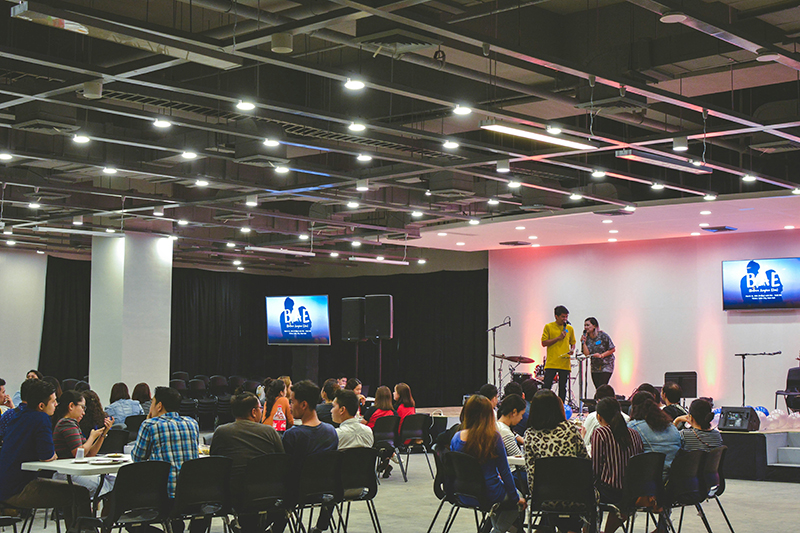
One week before the event, confirm:
- Venue booking
- Guest count
- Vendor arrival times
- Catering details
- Beverage service
- Entertainment schedule
- Rentals
- Decorations
- Transportation
- Accessibility arrangements
- Emergency contacts
- Weather backup plans
The day before the event, review the timeline and make sure every major vendor has the correct venue address and contact information.
Planning an event in Ottawa does not have to mean handling every detail yourself. By choosing dependable local services and organizing the major decisions early, you can reduce stress and create a more enjoyable experience for everyone involved. From the venue and catering to entertainment, photography, rentals, and beverage service, the right professional support allows you to focus less on logistics and more on the people you invited.
A well-planned event is not necessarily the one with the most elaborate details. It is the one where the details work together smoothly, guests feel comfortable, and the host has enough time to enjoy the occasion.