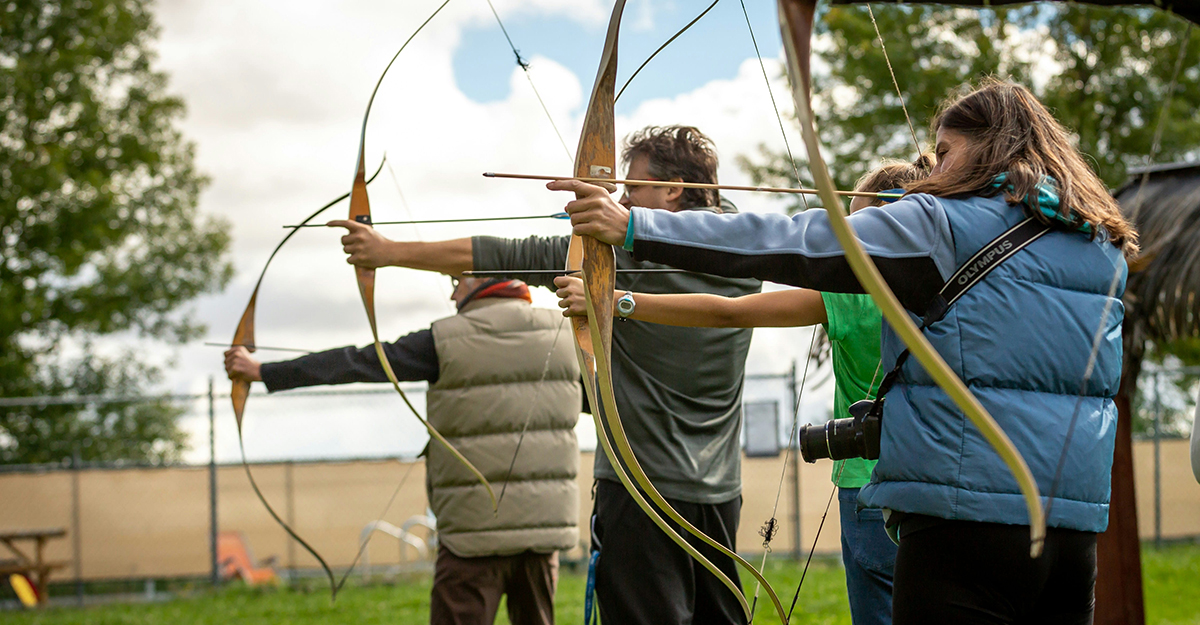
For thousands of years, sports have reflected the values, skills, and lifestyles of the societies that created them. Ancient athletes competed in events that tested strength, speed, endurance, coordination, and mental discipline. Some of those activities disappeared as technology and culture changed, while others evolved into modern sports that remain popular today. In recent years, however, there has been growing interest in reviving sports with deep historical roots.
From traditional archery and wrestling to horse-based competitions and ancient forms of combat training, many historic activities are finding new audiences. Their comeback is not simply about recreating the past. Instead, modern participants are adapting old sports to fit contemporary interests in fitness, cultural heritage, mindfulness, community, and unique experiences.
Why Ancient Sports Are Returning
One major reason for the revival of ancient sports is the growing desire for activities that feel different from conventional gym workouts. People today have access to countless fitness options, but many are looking for hobbies that offer more than repetitive exercise. Historic sports provide a combination of physical movement, skill development, storytelling, and cultural connection.
A traditional sport often has a strong sense of identity. Participants are not only learning how to move or compete; they are also connecting with techniques and traditions that may have been practiced for centuries. This makes the experience feel more meaningful than simply following a standard workout routine.
The rise of social media has also played an important role. Videos of historical combat demonstrations, traditional athletes, horseback competitions, and precision-based sports can quickly attract attention online. Activities that were once limited to small communities can now reach global audiences through short videos, documentaries, and online communities.
Archery: From Ancient Survival Skill to Modern Precision Sport
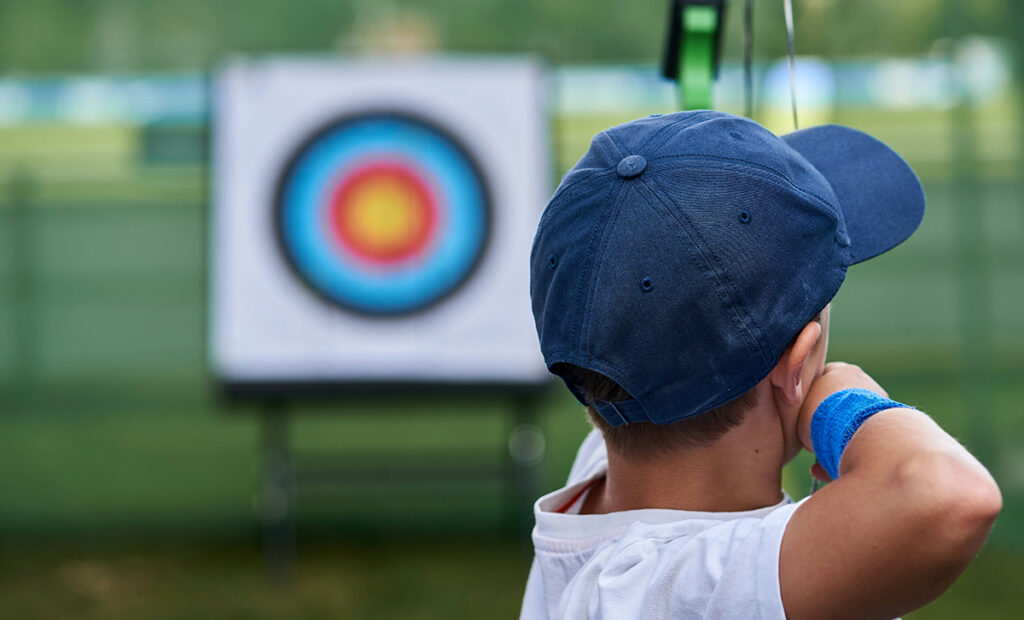
Few sports demonstrate the connection between ancient history and modern recreation as clearly as archery. Bows and arrows were once essential tools for hunting, defense, and warfare. Today, archery has developed into a structured sport practiced for recreation, competition, fitness, and cultural preservation.
The modern appeal of archery comes partly from its balance of physical and mental demands. Participants must develop posture, coordination, strength, patience, and concentration. Unlike sports that depend primarily on speed or explosive movement, archery rewards consistency and control.
The sport has also become more accessible to people of different ages and ability levels. Beginners can start with basic equipment and gradually improve their technique. Experienced participants can pursue competitive disciplines, traditional styles, field courses, or historical forms of the sport.
Industry participation data also reflects continued interest in archery. For example, the Australian Sports Commission’s Clearinghouse for Sport reported that an estimated 41,000 Australians aged 15 and over participated in archery at least once in 2025, alongside approximately 5,000 children aged 0–14. This shows how an activity with ancient origins continues to attract modern participants across age groups.
For newcomers, structured instruction can make the learning process safer and more enjoyable. Taking archery lessons can help beginners understand equipment, stance, shooting technique, range safety, and basic form before developing more advanced skills.
Traditional Wrestling and the Return of Heritage-Based Fitness
Wrestling is another ancient activity that has maintained a powerful presence in modern sports. Many cultures developed their own forms of wrestling, each with unique rules, techniques, and traditions. Some styles were created for competition, while others were connected to military preparation, religious ceremonies, or community celebrations.
Today, traditional wrestling styles are receiving renewed attention as people look for ways to preserve cultural heritage through physical activity. In several regions, historic forms of wrestling are being taught in clubs, schools, festivals, and organized competitions.
The appeal of these styles extends beyond competition. Wrestling develops balance, flexibility, strength, coordination, and strategic thinking. It also creates a direct connection between physical training and cultural history.
Modern athletes are increasingly interested in understanding where sports techniques originated. This has encouraged some traditional wrestling communities to document their practices, organize tournaments, and introduce younger generations to forms of competition that may otherwise have been forgotten.
Horseback Sports and the Revival of Mounted Competition
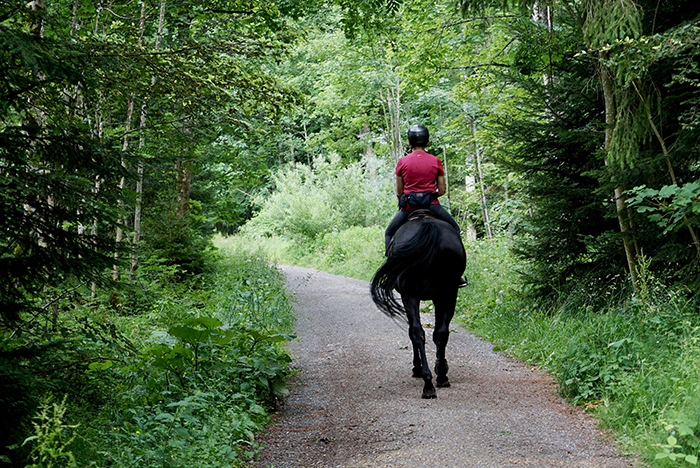
Before modern transportation and military technology changed the world, horseback skills were essential for travel, hunting, communication, and warfare. Today, many equestrian activities continue to preserve aspects of that history.
One example is horse archery, which combines riding skills with precision and timing. Historically associated with cultures such as the Scythians and Mongols, the activity has developed into a modern competitive discipline. Riders must control their horses while aiming at targets during movement, creating a sport that requires trust, coordination, and intense concentration.
The renewed interest in mounted sports reflects a broader fascination with activities that combine history and physical challenge. Participants are drawn not only to the difficulty of the activity but also to the experience of practicing a skill that once played an important role in human civilization.
Other historical equestrian activities are also gaining attention, including mounted games, traditional riding techniques, and historical reenactment competitions. These activities provide a way for participants to experience elements of the past while engaging in modern organized sport.
Ancient Martial Arts Are Finding New Audiences
Martial arts have always existed at the intersection of sport, self-defense, discipline, and culture. Many traditional fighting systems developed hundreds or even thousands of years ago. Today, styles such as traditional wrestling, fencing-inspired disciplines, historical swordsmanship, and other combat arts are attracting new participants.
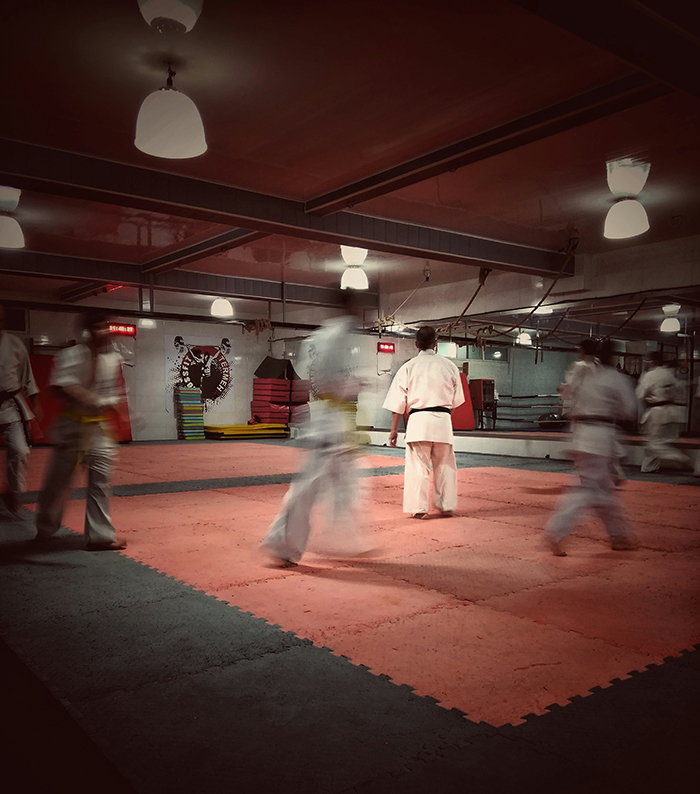
One reason for this renewed interest is the growing popularity of skill-based fitness. People are increasingly looking for workouts that challenge both the body and the mind. Martial arts require concentration, repetition, timing, and self-control, making them appealing to individuals who want a more engaging form of exercise.
Historical European martial arts, for example, have gained visibility through clubs and organizations dedicated to studying old fighting manuals and techniques. Participants may train with replicas of historical weapons while following modern safety standards.
The same pattern can be seen in traditional Asian martial arts, which continue to attract students around the world. While some practitioners focus on competition, others focus on cultural preservation, philosophy, movement, and personal discipline.
Ancient Games and the Appeal of Recreated Competition
Not every revived ancient sport involves intense physical combat. Some modern communities are bringing back historical games that test strategy, endurance, or teamwork.
Ancient board games and traditional competitive activities have become increasingly popular among people interested in history and social recreation. These games offer an alternative to digital entertainment and encourage face-to-face interaction.
Historical festivals often recreate old competitions, allowing visitors to watch or participate in activities inspired by earlier civilizations. These events can make history more interactive and memorable, especially for children and families.
The popularity of these activities demonstrates that a sport does not need to be part of the modern Olympic program to remain relevant. Sometimes, the strongest appeal comes from the story behind the activity.
Technology Is Helping Preserve Old Sports
It may seem unusual that technology is contributing to the revival of ancient sports, but digital tools have made historical activities easier to study and share.
Online videos allow instructors and enthusiasts to demonstrate traditional techniques to audiences around the world. Digital archives help preserve historical documents and training methods. Virtual communities allow participants to connect with clubs, coaches, and fellow enthusiasts in other regions.
Technology has also improved equipment and safety. Modern materials can make traditional sports more accessible while still preserving their essential techniques. For example, equipment inspired by historical designs can be produced with improved durability and safety features.
This balance between tradition and innovation is one of the key reasons ancient sports are successfully returning. People want an authentic connection to history, but they also expect modern standards of safety, accessibility, and organization.
Why Younger Generations Are Showing Interest
Younger participants are often attracted to activities that offer a strong sense of identity and individuality. Traditional sports can provide exactly that.
In a world where many forms of entertainment are digital and highly standardized, ancient sports offer something tangible. Participants can develop practical skills, train with others, attend events, and become part of a community.
There is also a growing interest in cultural heritage. Younger generations are increasingly using social media to learn about historical traditions, regional practices, and forgotten skills. Ancient sports fit naturally into this trend because they combine education with active participation.
For many people, joining a historical sport is not about becoming an expert in the past. It is about finding a unique modern hobby with a meaningful story behind it.
The Future of Ancient Sports
The future of ancient sports will likely depend on how successfully communities balance authenticity with accessibility. Strictly preserving historical techniques can be valuable, but modern participants also need safe equipment, qualified instruction, inclusive environments, and clear pathways for progression.
The most successful revivals will likely be those that respect tradition while allowing reasonable adaptation. A sport can maintain its historical identity without remaining frozen in time.
As more people search for meaningful ways to stay active, connect with communities, and learn about history, ancient sports are likely to continue attracting attention. Their comeback proves that old activities can remain relevant when they are presented in ways that fit modern lifestyles.
The return of these sports is ultimately about more than nostalgia. It reflects a growing appreciation for skill, patience, craftsmanship, tradition, and human connection. From the quiet focus of a target sport to the energy of a wrestling match or the challenge of mounted competition, ancient sports are proving that some activities never truly disappear. They simply wait for a new generation to rediscover them.