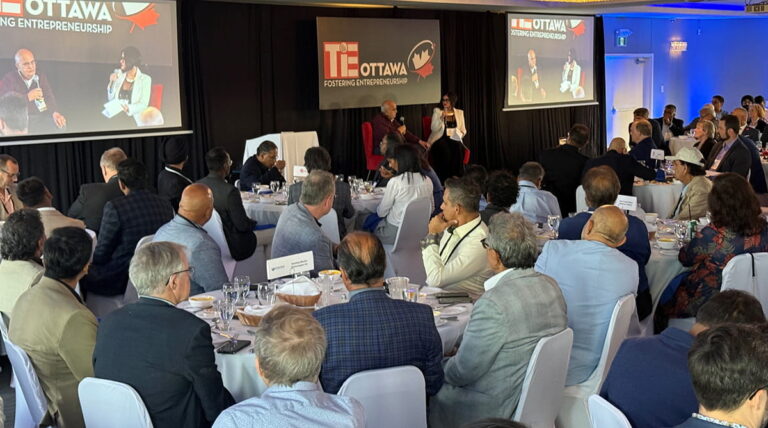
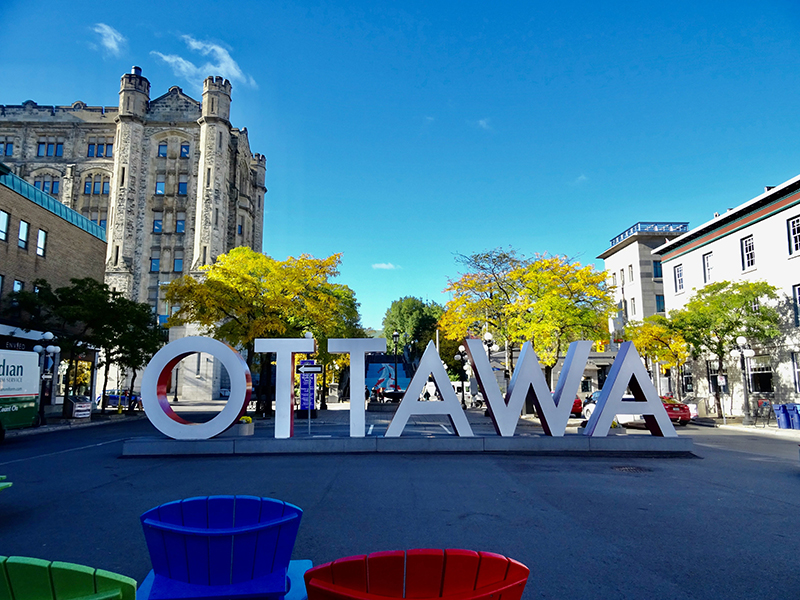
Ottawa’s vibrant event scene, from major festivals to corporate conferences, demands precision and creativity from its planners. Success in this competitive environment no longer relies on intuition alone; it’s increasingly driven by the strategic use of data. For event planners looking to thrive, harnessing smart data is the key to executing flawless, impactful events that leave a lasting impression.
The Data Behind Great Events
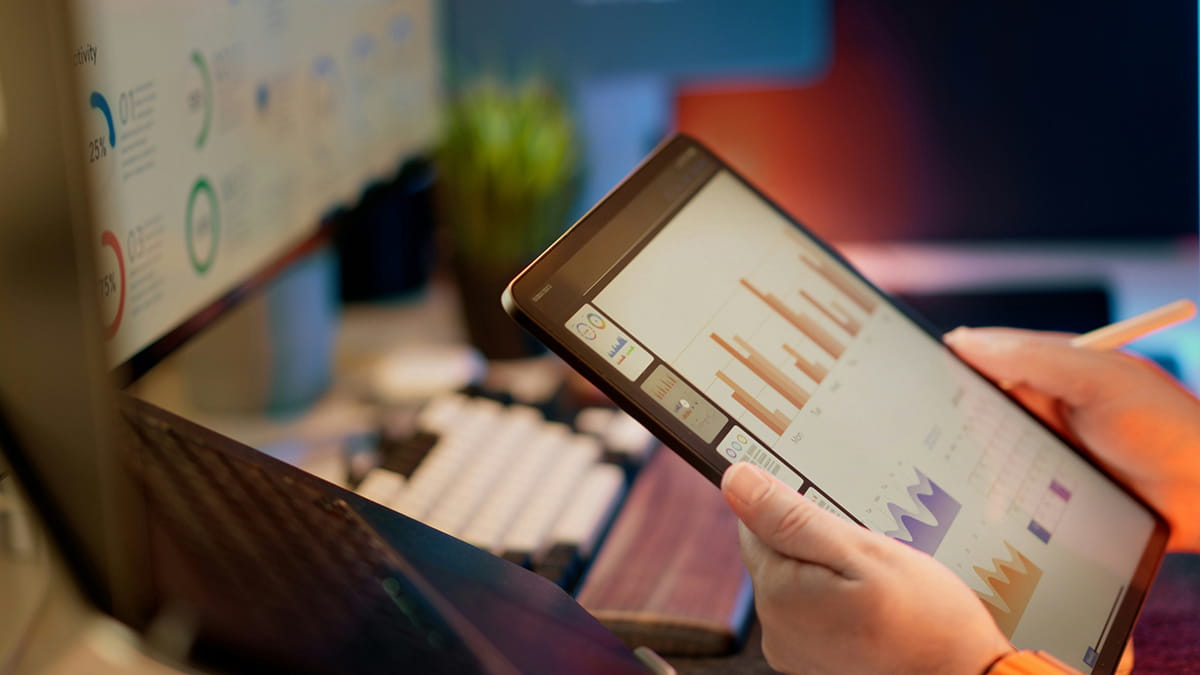
A successful event starts long before the doors open, with the information you gather. Smart data is more than just numbers; it’s about collecting the right information and turning it into actionable insights. This includes historical attendance figures, attendee demographics, peak registration times, and feedback from past events. Analyzing this information helps you understand your audience on a deeper level. For instance, knowing that a previous conference had low session attendance after lunch can inform a more engaging schedule for the next one. Effective data analytics for event management allows planners to move from making educated guesses to data-supported predictions, improving everything from marketing outreach to on-site logistics.
Optimizing Vendor Selection
Choosing the right vendors, from caterers and venues to audio-visual technicians, is critical. A data-driven approach can transform this process. Instead of relying solely on quotes and reputation, you can build a database of past vendor performance. Track metrics like on-time delivery, quality of service, flexibility, and final cost versus the initial quote. This historical data provides a clear picture of a vendor’s reliability and value. Over time, you can identify your top-performing partners and negotiate better terms based on a history of successful collaboration. Advanced tools are also emerging to assist with this, making processes like AI supplier negotiations more accessible, allowing planners to secure favourable contracts backed by solid data.
Budgeting with Precision
One of the biggest challenges in event planning is creating and sticking to a budget. Smart data brings a new level of accuracy to financial planning. By analyzing the costs of previous, similar events, you can create a much more realistic budget from the outset. For example, you can forecast catering costs per head based on the specific time of year and type of cuisine, rather than using a generic estimate. Modern event management software allows for real-time expense tracking, providing instant alerts if a certain category is trending over budget. This allows you to make immediate adjustments, like shifting funds from a lower-priority area, instead of discovering a major shortfall after it’s too late.
Managing Resources Efficiently
Data can also revolutionize how you manage on-the-ground resources, including staff and inventory. Real-time registration data, for instance, can help you predict attendee flow and schedule your check-in staff accordingly to prevent long queues. Past consumption data from similar events can guide how much food and drink to order, significantly reducing waste and cutting costs. For multi-day conferences with multiple sessions, you can use registration data to assign rooms of the appropriate size, ensuring no space is wasted and no session is uncomfortably overcrowded. This level of efficiency not only improves the bottom line but also enhances the overall attendee experience.
Measuring Event Success
Once the event is over, the data’s job is far from finished. A thorough post-event analysis is essential to measure success and gather insights for the future. The importance of event data is most clear when you can demonstrate return on investment (ROI). Key performance indicators (KPIs) will vary depending on the event’s goals. For a corporate trade show, this might be the number of qualified leads generated. For a public festival, it could be attendance numbers and social media engagement. Collecting attendee feedback through post-event surveys provides invaluable qualitative data, highlighting what worked well and where there’s room for improvement. This feedback loop is what turns a good event planner into a great one.
In a dynamic city like Ottawa, the most successful event planners use every tool available to them. Embracing a data-driven mindset helps you elevate your events from simple gatherings to meticulously planned experiences that consistently exceed expectations.