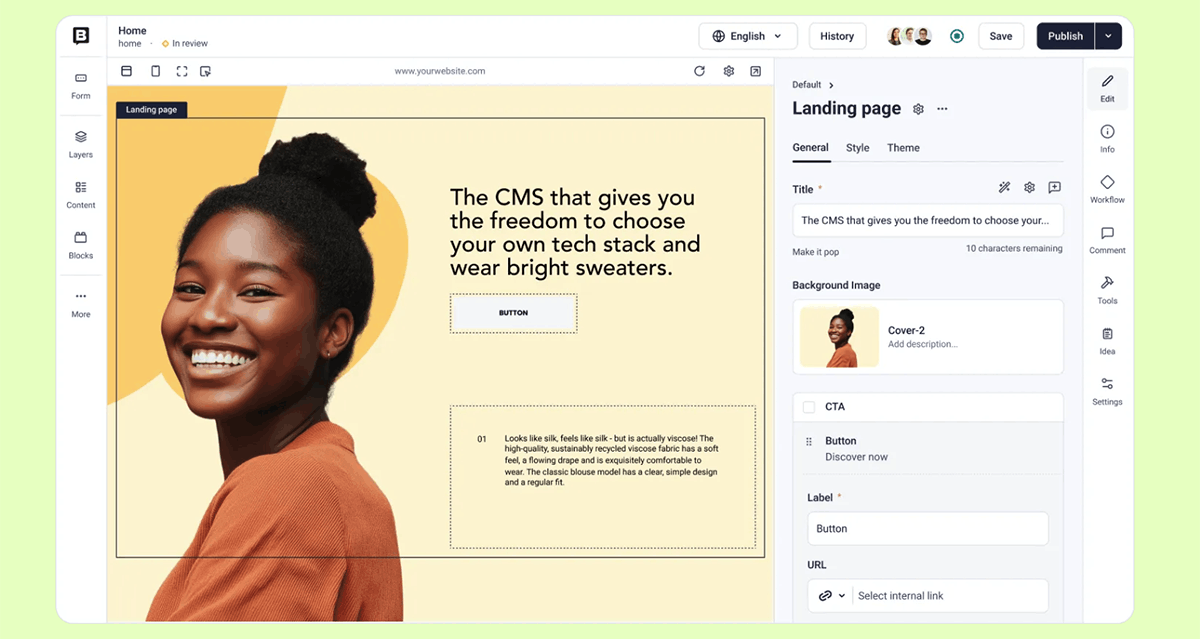
Personalization has become one of the most important parts of modern sales. Buyers expect relevant communication, useful resources, and product information that connects directly to their needs. At the same time, sales teams need to move quickly, manage many accounts, and deliver consistent messaging across different channels. This creates a difficult balance. A business must make every buyer experience feel personal, but it also needs a repeatable system that does not rely on sales representatives creating every message or asset from scratch.
Structured content helps solve this problem. Instead of treating content as one large piece of text, structured content breaks information into reusable components. These components can include product descriptions, industry-specific value points, customer examples, sales messages, feature explanations, calls to action, and buyer-stage guidance. When these pieces are organized properly, sales teams can use them to create personalized experiences at scale. The result is a more efficient sales process in which content feels relevant to each buyer while remaining accurate, consistent, and easy to manage.
Understanding Structured Content in a Sales Context
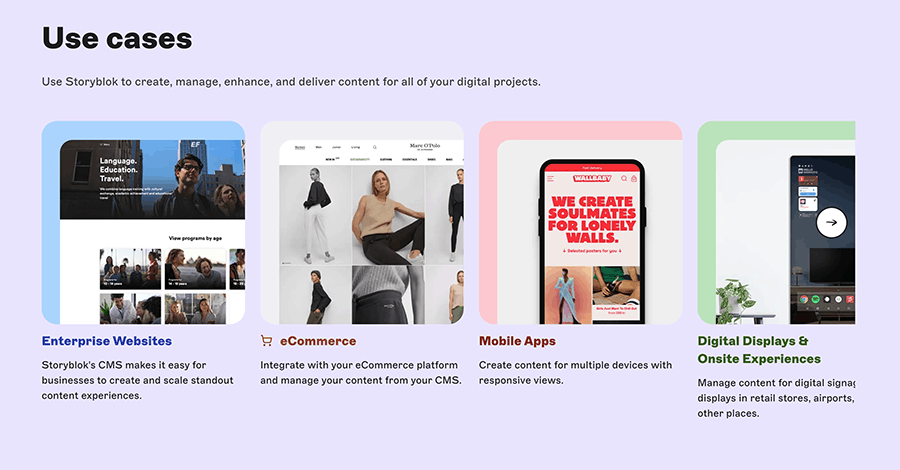
Structured content is content organized into clear, reusable parts rather than being locked in a single fixed document or page. In a sales context, this means that product messaging, buyer benefits, use cases, proof points, pricing explanations, and follow-up resources can be stored as separate content elements. Build with ease using headless CMS by giving teams a more flexible foundation for creating, combining, and adapting these elements across different sales experiences. These elements can then be combined in different ways depending on the buyer, industry, sales stage, or communication channel.
This approach differs from traditional content management, where a sales deck, email template, or landing page may exist as a complete, separate asset. When content is unstructured, sales teams often need to copy, edit, or rewrite information manually. Structured content gives them a more flexible foundation. A sales representative can use approved messaging for a specific industry, add relevant customer examples, and share content that matches the buyer’s current stage. This makes personalization easier without requiring every sales interaction to be built from the ground up.
Why Personalization Matters in Modern Sales
Buyers are more informed than ever, and they usually interact with several pieces of content before making a decision. They may visit a website, read a guide, compare solutions, join a product demo, or receive follow-up materials from a sales representative. If the content they receive feels too general, it may not answer their specific questions or show a clear understanding of their business needs. Personalized content helps buyers feel that the sales experience is relevant to them.
Personalization is not only about using a buyer’s name in an email. It is about delivering the right message, at the right time, in the right format. A finance leader may care about return on investment, while a technical buyer may focus on integration and performance. A small business may need simple setup information, while an enterprise buyer may need details about scalability and governance. Structured content allows sales teams to adapt communication for these different needs while keeping the core message consistent.
Turning Content Into Reusable Sales Building Blocks
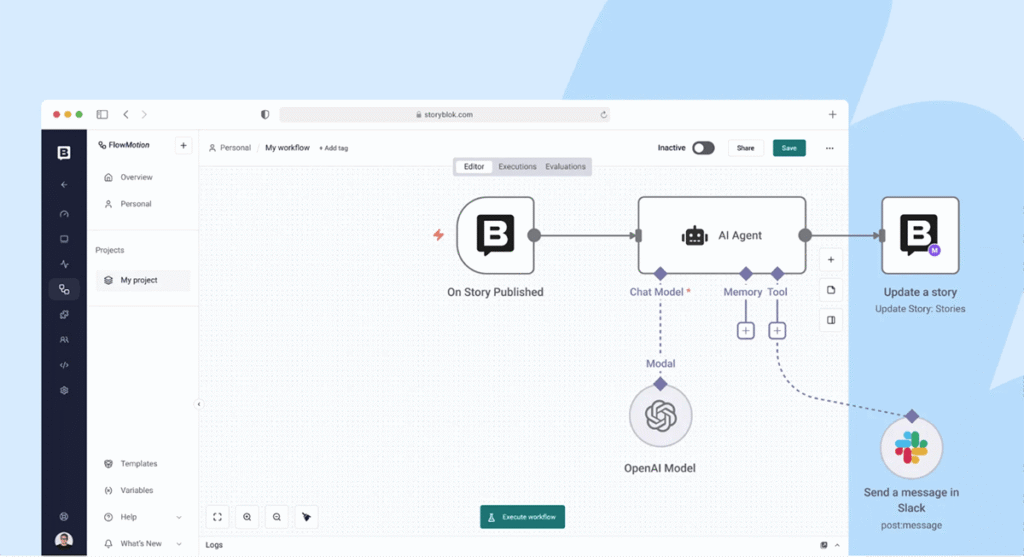
One of the biggest advantages of structured content is that it turns sales materials into reusable building blocks. Instead of creating a new document for every account, teams can build experiences from approved content components. These components may include short product summaries, industry-specific pain points, customer success examples, feature descriptions, objection responses, and recommended next steps. Each piece has a clear purpose and can be used across different channels.
This makes the sales process more efficient because teams do not have to start with a blank page every time they need personalized content. A representative working with a retail company, for example, can select relevant retail messaging, add a case study from a similar business, and include product benefits that connect to the buyer’s goals. Another representative selling to a software company can use the same core product information but combine it with different examples and value points. This creates personalization without unnecessary duplication.
Keeping Sales Messaging Consistent Across Personalized Experiences
Personalization can create problems when every sales representative writes their own version of the company’s message. Over time, this can lead to inconsistent language, different explanations of the product, and varying levels of quality across buyer communications. While personalization should feel tailored, it should not weaken the brand’s core message or create confusion for buyers. Structured content helps maintain consistency by giving teams access to approved content that can be reused in different contexts.
With structured content, the main value proposition, product descriptions, feature language, and brand tone can remain consistent even when the final experience is personalized. Sales teams can adapt the supporting details, examples, and recommendations without changing the foundation of the message. This is especially useful for larger organizations with many representatives, regions, or partner teams. Everyone can work from the same content system, which helps protect the quality of communication. Buyers receive content that feels relevant, but they also experience a clear and unified message across each stage of the sales journey.
Matching Content to Buyer Personas and Sales Stages
Structured content becomes especially powerful when it is mapped to buyer personas and sales stages. Different buyers have different priorities, and those priorities often change as they move through the sales process. Early in the journey, a buyer may want educational content that explains a problem or opportunity. Later, they may need detailed product information, customer examples, pricing context, or implementation guidance. A structured content system can organize materials around these needs.
For example, content can be tagged for executive decision-makers, technical evaluators, procurement teams, or end users. It can also be connected to stages such as awareness, consideration, evaluation, and decision. This makes it easier for sales teams to find and deliver the most relevant content at the right moment. Instead of sending the same generic brochure to every prospect, a representative can provide content that matches both the person and the stage. This improves the buyer experience because each interaction feels more thoughtful, useful, and connected to the buyer’s actual decision process.
Scaling Account-Based Sales With Structured Content
Account-based sales often requires highly personalized communication for specific companies or groups of decision-makers. This can be effective, but it can also be time-consuming if every message, presentation, and follow-up resource has to be created manually. Structured content makes account-based selling more scalable by giving teams a library of approved components that can be assembled for different accounts, industries, and buyer roles.
A sales team can create account-specific experiences by combining company-relevant insights, industry messaging, product benefits, and suitable customer proof points. The content can feel highly tailored without requiring every element to be newly written. This is especially valuable when multiple stakeholders are involved in the same account. One decision-maker may need strategic business value, while another may need technical details or operational benefits. Structured content allows the sales team to create different versions of the experience for each stakeholder while keeping the overall account message aligned. This helps teams deliver personalization at a higher volume without sacrificing quality.
Improving Sales Enablement Through Better Content Organization
Sales enablement depends on giving representatives the right information at the right time. However, many sales teams struggle when content is difficult to find, poorly organized, or stored across too many systems. When representatives cannot quickly locate useful materials, they may create their own content or reuse outdated resources. This reduces consistency and can slow down the sales process. Structured content improves sales enablement by making content easier to search, filter, and apply.
When content is organized by product, industry, persona, sales stage, region, and use case, representatives can quickly find what they need. They do not have to search through long folders or guess which version is current. Instead, they can access relevant content components that are already approved and ready to use. This helps sales teams spend less time managing materials and more time building relationships with prospects. It also supports better onboarding for new representatives because they can understand how messaging fits different buyer situations.
Supporting Omnichannel Sales Experiences
Modern sales does not happen through one channel. Buyers may receive emails, visit landing pages, attend demos, review digital proposals, interact with chat tools, or access personalized content hubs. A strong sales experience should feel connected across all of these touchpoints. Structured content supports omnichannel selling by allowing the same approved content components to appear across different formats and platforms.
For example, a product benefit used in a sales email can also appear on a landing page, inside a digital sales room, or within a follow-up guide. The content can be adapted for length and format, but the message remains consistent. This creates a smoother experience for the buyer because each channel reinforces the same value story. It also helps internal teams work more efficiently because they do not have to recreate content for each platform separately. Structured content gives businesses the flexibility to deliver personalized sales experiences wherever buyers prefer to engage.
Using Data to Make Personalization More Relevant
Structured content becomes even more valuable when it is connected with data. Sales teams can use information about buyer behavior, industry, company size, previous interactions, and content engagement to deliver more relevant experiences. If a buyer has shown interest in a specific feature, the sales team can follow up with content that explains that feature in more detail. If a prospect belongs to a particular industry, the content can highlight examples and use cases that match that market.
This type of personalization works best when content is structured and tagged properly. Data can help determine which content components should be shown, recommended, or included in a sales journey. Instead of relying only on manual decisions, teams can create smarter content experiences that respond to buyer signals. This does not remove the human role in sales. Instead, it gives representatives better support. They can understand what matters to the buyer and use relevant content to guide the conversation in a more meaningful direction.
Reducing Content Duplication and Manual Work
Without structured content, teams often create many versions of the same information. A product description may appear in sales decks, website pages, brochures, email templates, and proposal documents. When that description changes, every version must be updated manually. This creates extra work and increases the risk that outdated content remains in circulation. Structured content reduces duplication by allowing teams to manage key information from a central source.
When content components are updated in one place, they can be reused across many sales experiences. This helps teams maintain accuracy while saving time. It also makes content operations more efficient because writers, marketers, and sales enablement teams do not need to constantly revise separate assets that contain the same information. Sales representatives benefit from having access to current messaging without needing to check multiple files. Buyers benefit from receiving accurate and consistent information. Over time, this creates a more reliable sales content system that can grow with the business.
Conclusion
Structured content is a powerful foundation for building personalized sales experiences at scale. It helps sales teams move beyond generic communication without forcing them to create every message manually. By breaking content into reusable components, businesses can deliver relevant messaging for different buyer personas, industries, account types, and sales stages. This makes personalization more practical, especially for teams managing many prospects, channels, and customer journeys.
The value of structured content is not only in efficiency. It also improves consistency, supports better sales enablement, strengthens collaboration between sales and marketing, and helps buyers receive information that feels clear and relevant. When content is organized, approved, and easy to adapt, sales representatives can respond faster and communicate with greater confidence. As buyer expectations continue to evolve, companies need systems that allow them to personalize without losing control. Structured content provides that system, helping sales teams create better experiences while supporting long-term growth.
submitted post