
Stepping into a professional recording studio for the first time is exciting —and a little intimidating. You’re investing your time, money, and creativity, so you want to walk out with tracks you’re proud of, not regrets about what you “should have done” beforehand.
This guide will walk you through preparing mentally, musically, and technically so you can make the most of your first studio experience and work smoothly with your engineer and producer.
1. Get Your Songs Studio-Ready
Before anything else, your material needs to be rock solid.
Know the structure cold
You and your band (if you have one) should be absolutely clear on:
- Final song structures (intro, verse, pre-chorus, chorus, bridge, outro)
- Tempos and feel for each section
- Where breaks, stops, and builds happen
Record simple rehearsal demos on your phone and listen back. Any time someone says, “Wait, how many bars before the chorus?” you’re not ready yet.
Lock in your tempo
Practice with a click until it feels natural. In the studio, you’ll almost certainly record to a click, especially if you plan to add layers, edit, or do professional mixing and mastering later.
2. Plan the Sound You’re Going For
The clearer your vision, the easier it is for the studio to help you achieve it.
Gather reference tracks
Make a short playlist of 3–5 songs that represent:
- The overall vibe you want
- The kind of vocal sound you like
- How loud and punchy you want drums/bass
- How wide and spacious do you want guitars/synths
Send these references ahead of time or bring them with you. This gives your engineer a concrete starting point for tones and mixing decisions.
Decide on arrangements in advance
Before your session, decide:
- Where you want harmonies and backing vocals
- Whether you want extra percussion, pads, or effects
- Which parts absolutely must be recorded live vs overdubbed
This pre-production thinking saves a huge amount of time and keeps your session focused on getting great performances rather than debating arrangements on the clock.
3. Prepare Yourself Physically and Mentally
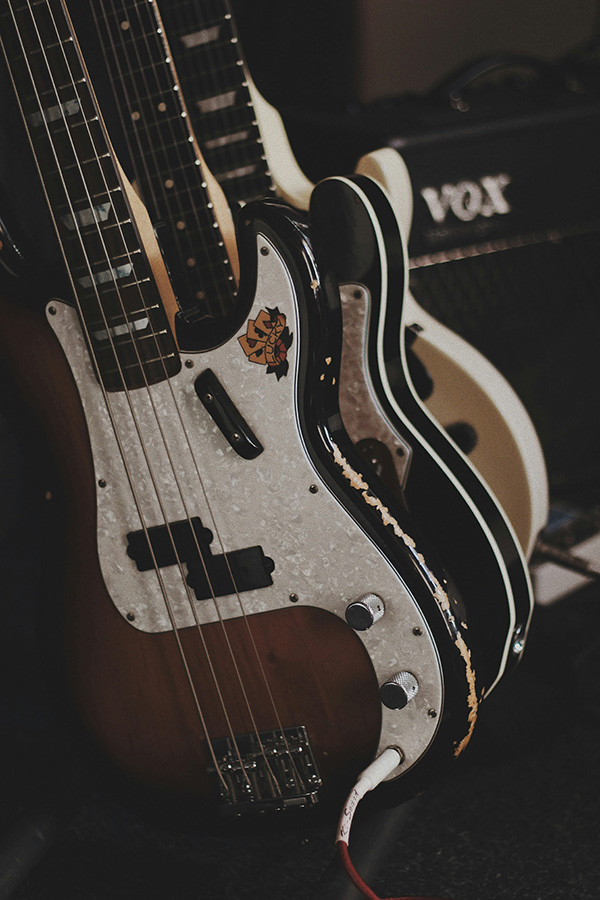
You are as much an “instrument” as your gear.
For vocalists:
- Sleep well for at least one night before the session
- Hydrate steadily the day before and day of (room temperature water is best)
- Avoid excessive dairy, alcohol, and smoking before recording
- Warm up your voice gently before you arrive
For instrumentalists:
- Change strings, heads, or reeds at least a day before (not right before)
- Check intonation and tuning stability
- Bring spare strings, sticks, picks, cables, and batteries
- Practice your parts standing/sitting as you would in the studio
For everyone:
- Eat light but don’t record on an empty stomach
- Plan breaks during long sessions to avoid fatigue
- Come in with a positive, flexible mindset—some of the best ideas happen in the studio
4. Bring the Right Materials
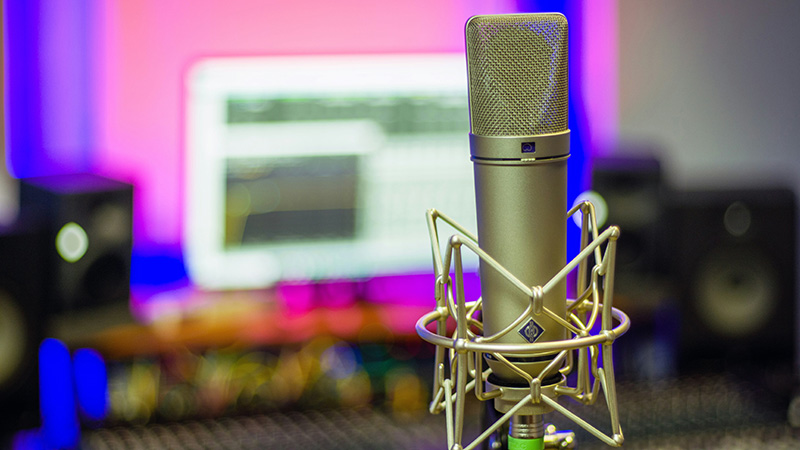
Being organized will save you time, money, and stress.
Bring:
- Printed lyric sheets (multiple copies)
- Chord charts or lead sheets if helpful
- Your reference track playlist (on phone or USB)
- Any session files or demos you’ve already recorded
- Your own instruments and pedals that define your sound
- A hard drive or USB stick if the studio prefers you to take session files home
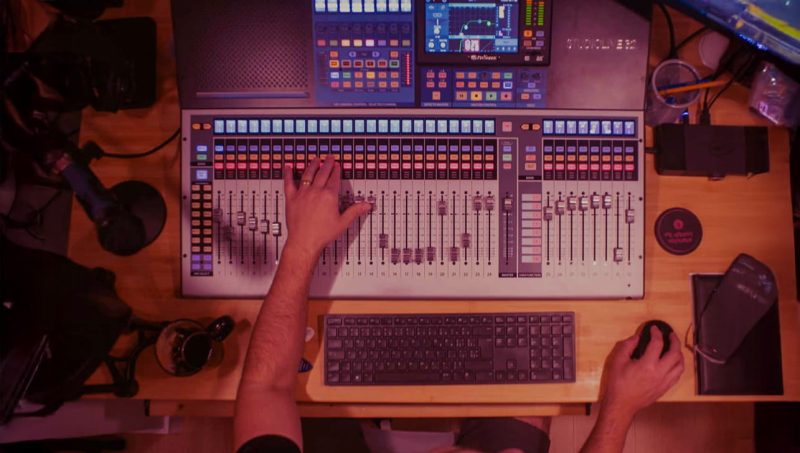
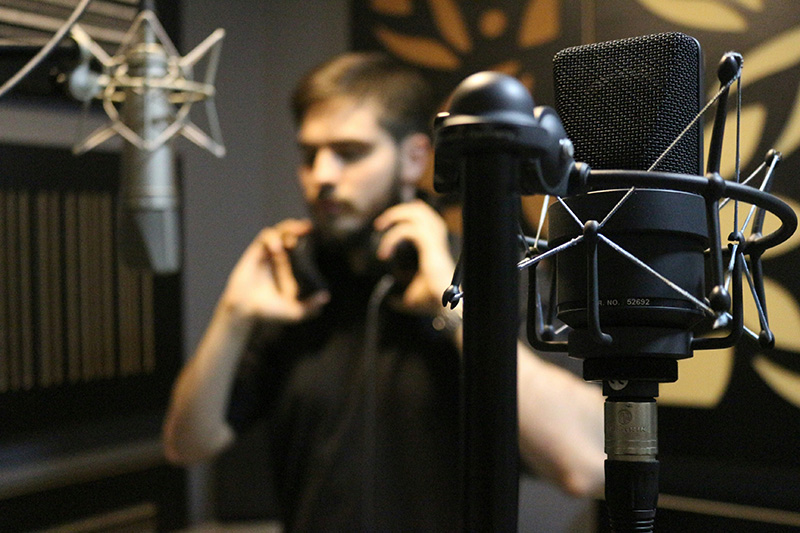
Most professional studios, like OMS Studio, a dedicated recording studio in Edmonton, offer top-notch microphones, accurate monitoring, and a well-treated room. When you come in prepared—with your lyrics, arrangements, and gear sorted—the studio can spend more time bringing out the best in your sound instead of dealing with basic issues.
5. Understand Studio Workflow and Etiquette
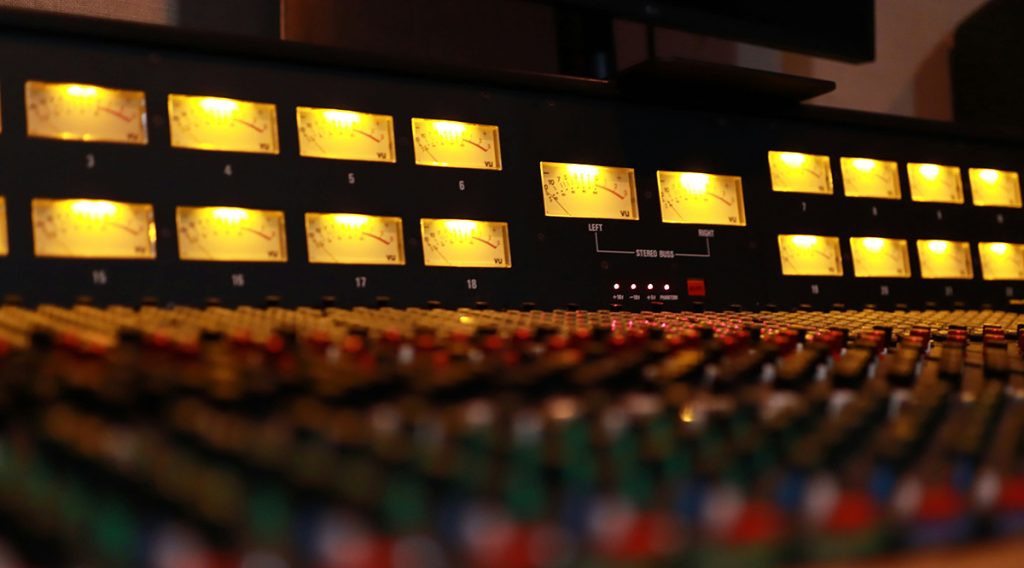
Studios run best when everyone is on the same page.
Be on time and ready
Your booking usually starts at a set time, not when you walk in the door. Aim to arrive a few minutes early so you’re ready to go when the engineer starts setting up.
Communicate clearly
Engineers aren’t mind-readers. Tell them:
- What you like and don’t like about your sound
- Which elements are most important to you
- If you’re feeling tired or need a break
At the same time, be open to suggestions. Studio professionals spend their lives shaping sound—they often hear solutions or ideas you might miss.
Respect the space
- Handle studio gear carefully
- Keep food and drinks away from the equipment
- Keep the vibe relaxed and focused (too many people in the room can be distracting)
6. Budget Your Time Smartly
Recording almost always takes longer than people expect.
To use your budget well:
- Prioritize which songs matter most if time runs short
- Decide in advance: are you aiming for a polished single or quick demos?
- Consider booking an extra hour or two as a buffer if possible
If you’re working with a professional studio like OMS Studio, ask about how they recommend structuring your first session—e.g., time for setup, takes, comping, and basic rough mixes. Their experience with local artists and bands can help you avoid unrealistic expectations.
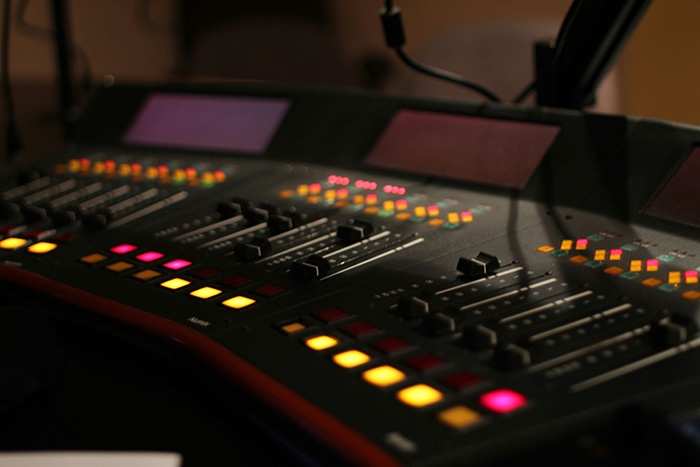
7. Plan What Happens After the Session
Your job doesn’t end when you leave the studio.
- Ask for rough mixes to review on different systems (car, headphones, speakers)
- Take notes on what you like/don’t like in each mix
- Be prepared to give clear, specific feedback for revisions
If the same studio offers mixing and mastering, it’s often worth keeping the whole process under one roof. The team already understands your sound, your references, and what you were going for during tracking, which usually leads to more cohesive, professional results.
Final Thoughts
Your first studio session can be a turning point in your musical journey. With solid preparation—tight songs, clear references, ready gear, and a focused mindset—you’ll walk into the studio confident and walk out with recordings that actually reflect who you are as an artist.
If you’re ready to take that step and want a professional, musician-focused space to record in, explore what OMS Studio can offer in terms of recording, production, and post‑production services to bring your music to life.
submitted post
Other articles from totimes.ca – otttimes.ca – mtltimes.ca