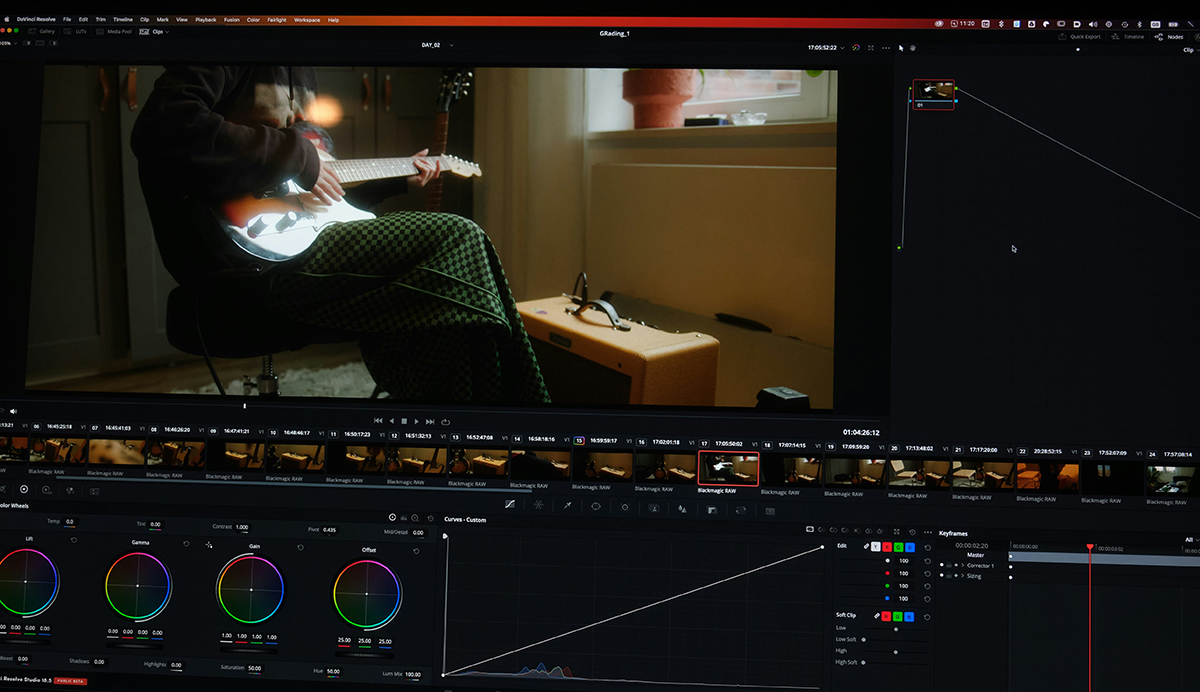
Creating an effective advertisement was previously very difficult and required a lot of time, effort, and money; additionally, the process was complicated, so the cost of making a mistake could be very high. Now that has all changed.
New technology, called AI video generators, has changed the landscape of video advertising production, making it possible to create high-quality videos in a matter of seconds with a few clicks. Thus, there is no longer a need for a large production team, nor do you have to pay enormous amounts of money to create a video. What if you could turn every idea that comes into your mind into a video quickly and easily and test it out—this is the new world that AI has opened up to you.
Join us as we explore how AI is changing the way we think about advertising altogether.
Definition and Principles of AI Video Generators
A best AI video generator would be a robot that converts ideas, text, graphics, and so on into a video. A video generator creates visual content for your project by producing an audio file and any special effects, resulting in a finished product quickly and easily. With video generation, you do not have to spend many hours on video production and can generate a video after you type keywords. Compared with traditional methods of generating videos, video generators are much less expensive and more efficient.
The Logic Behind the Viral Boom of AI Video Generators
The explosive popularity of AI video generators is not merely a coincidental technological fad, but rather the inevitable outcome of the convergence of multiple trends.
First is the explosive growth in demand for content. In an era dominated by short-form video and advertising, brands must continuously churn out vast quantities of video content to drive traffic and conversions. However, traditional production methods—characterized by high costs and lengthy timelines—are no longer capable of sustaining such high-frequency demands. AI steps in to fill this very gap, making “content production at scale” a tangible reality.
Second is the radical optimization of efficiency and cost. In the past, a single advertisement typically required navigating through multiple stages—including planning, filming, and editing—whereas AI can now complete the entire process, from initial concept to final cut, in a matter of minutes. This boost in efficiency not only lowers the barrier to entry but also normalizes a strategy of “rapid iteration through trial and error”—enabling businesses to test a wider array of creative assets at minimal cost, thereby identifying the content that truly resonates.
Importantly, AI is dramatically altering the very concept of creativity: changing how companies compete for customers based on what they produce, rather than on whether they create original work and how they select that work. Once technological limitations are removed, the leading organizations will be differentiated based on their insights and imagination about their audiences, skills in telling good stories and their ability to quickly determine the most effective method of communicating their messages.
Democratic access to tools is another critical factor driving structural changes resulting from advances in communication technology. Prior to the advent of AI, video production resources were available only to large organizations. Now, independent creators, small brands, and global enterprises can compete for customers on equal footing by leveraging video production resources.
The introduction of AI video generators is a technological event, but more importantly, it signifies a re-conceptualization of current paradigms in video production; it enables videos of all types to be created at a significantly lower cost and at a much higher frequency. Therefore, AI video generators are redefining the rules of engagement in both advertising and content creation across the video marketplace.
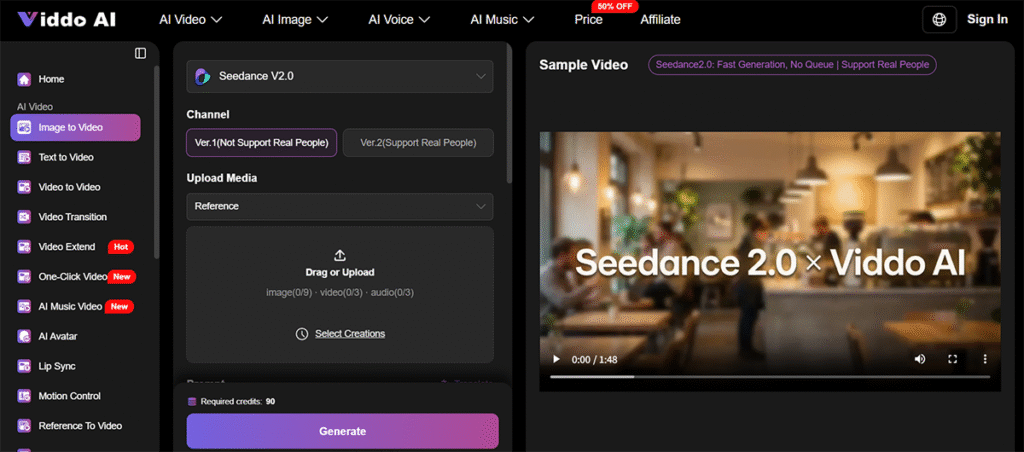
How AI Video Generators Are Reshaping the Advertising Ecosystem?
The rapid evolution of artificial intelligence is redefining digital immersion, transforming how brands connect with global audiences. AI-driven video tools now create hyper-realistic environments that mirror the high-stakes energy of a live casino, where real-time interaction and visual fidelity are paramount. By leveraging these advanced generators, marketers can produce dynamic ad content that captures the authentic atmosphere of premium gaming halls. This technological synergy not only boosts engagement but also builds consumer trust through high-quality production values. As AI continues to bridge the gap between virtual and reality, conversion rates will increasingly depend on such sophisticated storytelling.
Video advert creation is being radically changed by AI video generators. This is due to several obvious reasons driving this trend and transforming how advertisements are created, providing companies with far greater options for creating enticing video content. Companies can now create high-quality, compelling video content faster than ever before thanks to streamlined AI-driven ad production.
Among the various capabilities offered by many AI video generators, the text-to-video generator is by far the most impressive. The ability to convert text directly into moving images has made creating video content a simple, efficient process that previously required a great deal of effort and time. A process that used to take a significant amount of time to convert content found in a blog or product description into video format has now been reduced to a matter of seconds.
While these AI video generators provide users with a much wider variety of content types for their advertising, they also allow businesses to create highly targeted messages to customers at a much lower cost than before the implementation of AI-powered video generators. In the following sections, we will take a close look at how the digital advertising industry will continue to evolve as a result of AI video generators.
1. Faster Video Production
AI can create videos in real time by compressing the entire video production cycle, from concept to final edit. This allows brands to quickly respond to current events and deliver content in a timely manner.
2. Lower Costs
Using AI technology eliminates the need for specialized teams or equipment, reducing the cost of creating high-quality video advertisements. As a result, businesses of any size can utilize video marketing opportunities.
3. Personalization at Scale
AI can analyze data and preferences across diverse audiences, enabling the creation of highly targeted video content. This enables brands to produce advertisements that connect with user needs, increasing their total effectiveness in communicating messages.
4. More Creative Possibilities
With many templates and automated options available for brands to experiment with different styles, images, and storytelling methods, there are unlimited opportunities to create unique video content.
5. Increased Engagement and Conversion Rates
Video is inherently engaging, so AI-generated videos are optimized (in terms of pacing and content) based upon the preferences of the audience so that both engagement and conversion rates will be increased.
The Key Role of AI in Personalized Video Marketing
AI is transforming our perception of personal video advertising by enabling brands to communicate more effectively and more precisely with their audience. By leveraging user data and behaviour, these videos are designed to cater to many different audiences creating a true “one to one” experience via video. Because of their personal relevance and alignment with the individual’s needs, these videos are likely to achieve significantly higher capture and conversion rates. Many of the factors that affect how well AI can be used efficiently in this manner will be explained here.
1. User Segmentation and Tailored Content
Using AI, the capability of automatically segmenting users into groups by characteristics like age, interests, and behavior allows for personalized video ad creation suitable to each segmentation.
2. Recommendations For Video Advertising Personalized According To User Behavior
AI can make personalized video ad recommendations to users based on their browsing history and past purchases, making them more likely to be interested in specific videos or product types. For example, if someone has previously purchased camping gear, AI will generate video ads featuring camping products or examples.
3. Dynamic Creative Optimization (DCO)
AI automatically modifies the following components in a video, including copy (text), visuals, and background music, in order to provide multiple versions of the same video at once, according to different audiences, while constantly evaluating which combinations perform best.
4. Batch Generation and Testing of Multiple Ad Versions
Video ads produced using AI can generate numerous variations for A/B testing out of the gate; therefore, brands can more quickly identify which creative assets drive the greatest conversions than if they were developing them manually.
5. Localization and Multilingual Video Generation
By using AI and accounting for regional differences among users, video content can be automatically produced that incorporates diverse languages and cultural styles, providing localized expressiveness for global audiences.
6. User Behavior-Driven Video Retargeting
When customers have viewed a specific item but did not complete the transaction, AI will generate targeted video playback, referred to as “retargeting”.
7. Personalized Video E-commerce Ads
When an advertisement shows that there is a range of products, pricing and promotional offers for the user to choose from based on their preferences, this creates a “customised” advertisement for that person, which increases the likelihood of buying.
8. Automatically Generate Brand-Specific Videos
Using AI to create visual content lets you produce multiple pieces based on AI’s understanding of your brand’s style and tone, while maintaining consistency and improving production efficiency by creating several pieces simultaneously.
Future Development Trends of AI Video Advertising
AI Video Advertising has a bright future as a go-to in the advertising world. This new technology allows companies to quickly produce personalized and exciting advertisement content, giving them an advantage over their competitors. The automation of creating advertisement video content will make it quicker, easier, cheaper, and more precise in the future. Future advertisement content will no longer just be something to watch; it will be something you can experience and interact with — providing an unprecedented number of ways for brands to express themselves and reach and communicate with their target audience.
Ethical and Compliance Issues in AI-Generated Advertising
The increasing use of AI video generation raises ethical questions about the impact this technology will have on society now and in the future. In particular, there are major issues related to whether or not the content generated by AIs is authentic.

AI-generated videos can be used to create highly exaggerated promotional materials or even to misinform consumers, undermining their ability to make sound judgments about products. There are also privacy breaches because personalized advertising requires vast amounts of user information, which can be abused. The third issue is liability: if an AI-generated advertisement causes a problem, it remains unclear who is ultimately responsible—whether it is the platform, the company that produced the ad, or the AI technology used to develop it.
Therefore, while companies are attempting to increase efficiency in using AIs for video creation, it is very important for them to create appropriate guidelines and limitations before proceeding with this new development.
The Pros and Cons of AI Video Generators in Advertising
Despite the many benefits AI video generation tools offer marketers, these tools also have several limitations.
On the one hand, AI video generators provide significant benefits to advertisers, including improving production speed, reducing production costs, enabling large-scale content production and distribution, and lowering barriers to using video marketing. On the other hand, some drawbacks of AI-generated videos include a lack of emotional content and creativity, as well as potential homogenization. Additionally, privacy and compliance concerns are associated with the use of data and algorithms.
As a result, there are key issues to consider when using AI video generators, such as balancing efficiencies and quality, and balancing innovation and compliance.
Final Thoughts
AI video generators have changed the advertising playing field by enabling brands to produce ads faster and more cheaply, and to target audiences more accurately than ever before. Tools are only the beginning; what will determine effective use of those tools is creativity and strategy. Brands that can fully leverage AI (by continually improving their content and understanding their audience) will have a competitive edge. The future of advertising isn’t just about “using AI to create ads,” but rather “using AI to improve how we create ads.”