Small home problems often leave clues before they turn into expensive repairs. A faint stain, a musty smell or a room that never feels comfortable can point to a developing issue.
Regular checks help you catch those warning signs early, protect the structure and plan repairs without unnecessary stress.
Spotting Early Signs of Trouble
Walk through your home every few months and look for changes. Check ceilings for discolouration, inspect walls for bubbling paint and watch for doors that suddenly stick. Other early water damage signs include warped flooring, peeling wallpaper and unexplained musty odours.
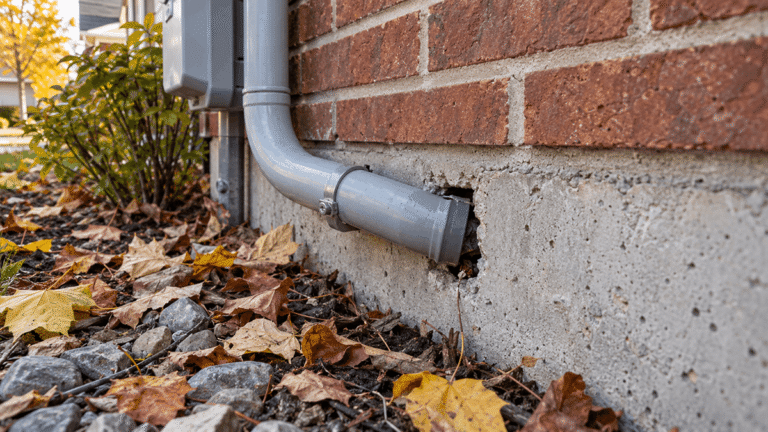
Go outside after heavy rain to inspect gutters, downspouts and visible roof surfaces from the ground. Water should flow away from the foundation, not collect beside it. Inside, test bathroom fans and look under sinks with a flashlight. Taking dated photos of anything unusual gives you a useful record. If a mark grows between inspections, you’ll know the problem is active.
Addressing Water Damage Concerns
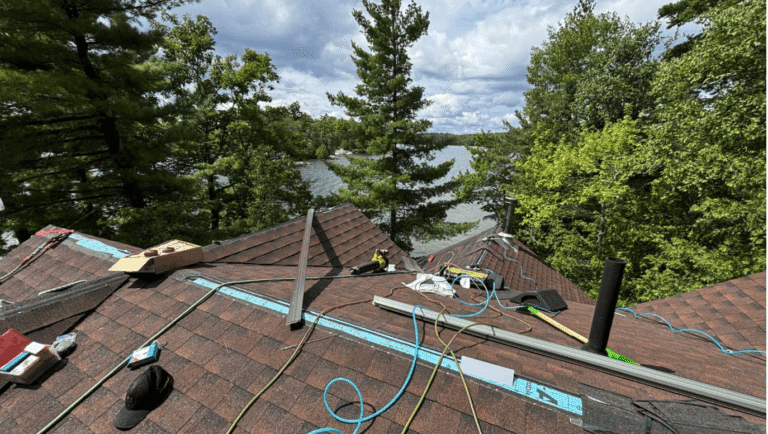
Stop the source of water before cleaning or repairing the affected area. Shut off the nearest supply valve when a fixture or pipe is leaking. For a ceiling stain that appears after rain, arrange a roof assessment and move belongings away from the area. Homeowners across Western Canada and Ontario can contact Advanced Level Roofing for roof repair, replacement or ventilation assessment when the problem appears to come from above.
Pay particular attention to common water damage locations such as bathrooms, kitchens, basements and laundry areas. Dry small, clean-water spills promptly with towels, fans and a dehumidifier. If water has reached electrical components, contains sewage or covers a large area, stay clear and call qualified help.
For a dripping tap or weak flow, this guide to resolving common plumbing issues offers practical troubleshooting steps.
Ventilation and Air Quality
Fresh airflow helps control moisture, odours and indoor pollutants. Run the bathroom fan during a shower and for about 20 minutes afterward. Use the kitchen exhaust fan when cooking, especially if steam is fogging nearby windows. Make sure both systems vent outdoors instead of into an attic or enclosed roof space.
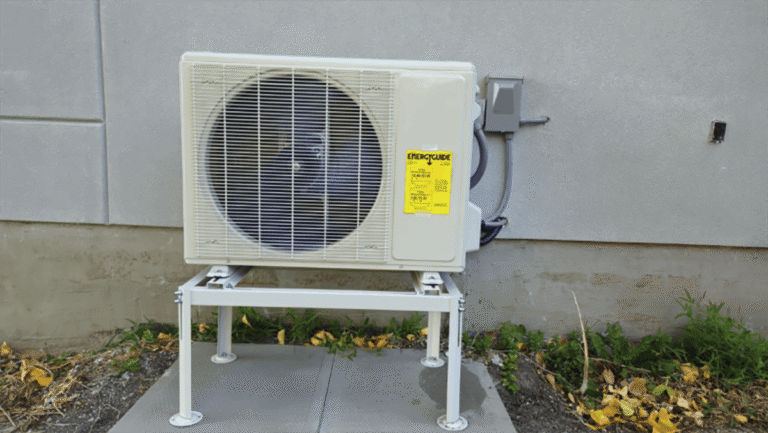
Replace or clean heating and cooling filters according to the equipment manufacturer’s schedule. A clogged filter can reduce airflow and spread dust through the home. Keep furniture and rugs away from supply vents and return grilles.
Condensation offers another useful clue. Persistent moisture on windows may signal high indoor humidity or limited ventilation. A basic hygrometer can track humidity, while a dehumidifier may help in damp basements. Recurring condensation still deserves investigation because hidden leaks or insulation gaps could be contributing.
Repair Versus Replacement Decisions
Base the decision on the item’s age, condition and repair history. A loose cabinet hinge or worn tap washer usually needs a straightforward repair. An appliance, window or building component that fails repeatedly may be approaching the end of its useful life.
Start by comparing the repair estimate with the replacement cost. Then account for energy use, warranty coverage and the likelihood of another failure. For example, repairing one damaged section of flooring makes sense when the surrounding material is dry and stable. Widespread swelling across several rooms suggests a larger moisture problem and may require replacement after the source is fixed.
Avoid covering stains, soft drywall or damaged trim before confirming that the area is fully dry. Cosmetic work can hide an active problem, allowing decay or mould growth to continue out of sight.
When to Call a Professional
Call a qualified professional when a problem involves electricity, structural movement, extensive water damage or work at height. You should also seek help if the source remains unclear after basic checks. A contractor may use moisture meters, thermal imaging or specialized inspection methods to find damage that isn’t visible at the surface.
Urgent warning signs include a sagging ceiling, a strong burning smell, rapidly spreading water or cracks that widen over a short period. Leave the affected area and contact the appropriate emergency service or tradesperson.
Before approving non-urgent work, ask for a written estimate that identifies the cause, proposed repair, materials and warranty terms. Confirm insurance and qualifications where applicable. Clear documentation makes quotes easier to compare and reduces the chance of discovering unexpected work halfway through the job.
A simple seasonal inspection can keep many household repairs manageable. Check the places where water enters, exits or collects first, then record anything that changes. That small file of photos and notes can help a professional diagnose the issue faster if a repair becomes necessary.
Photo by Zohair Mirza on Unsplash