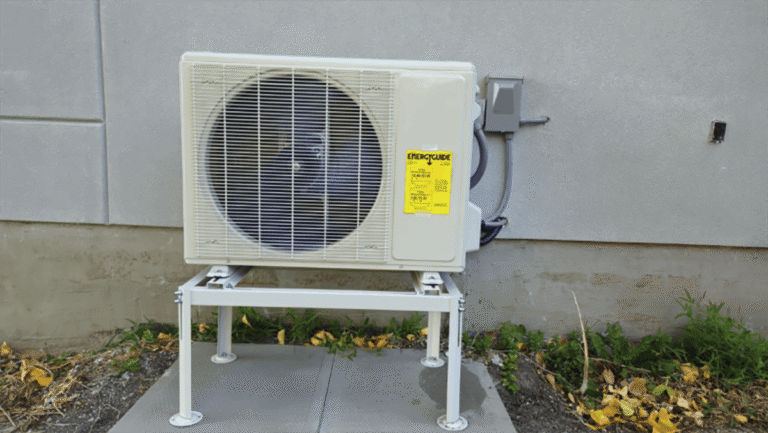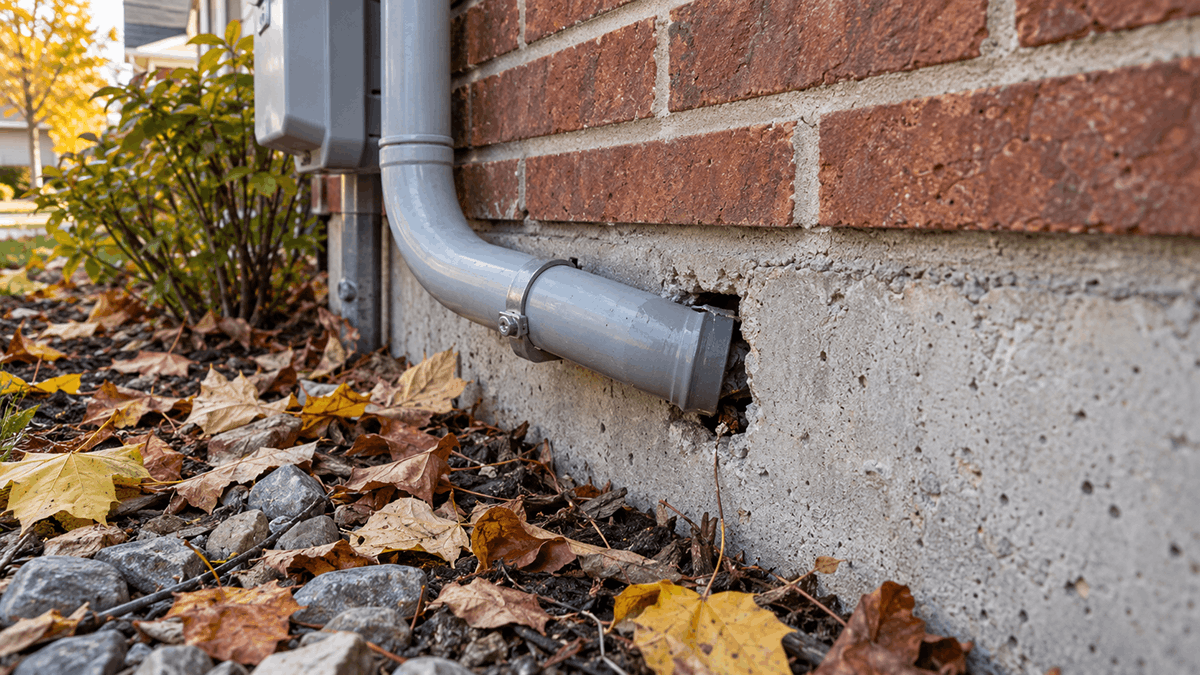
When homeowners look for a way pests could enter, they often check the front door and obvious cracks. The less visible openings deserve a closer look. An electrical cable, water line, exhaust vent or garden tap can leave a small gap where it passes through an exterior wall.
Walk the perimeter in daylight and follow the foundation slowly. Look behind shrubs, beneath steps, at the edge of a garage door and where different building materials meet. Check that vent covers are secure and that screens are intact. A gap near a pipe may lead to a sheltered wall cavity, even when the room beside it shows no signs of activity.
Begin with observation rather than immediately filling every opening. Some vents are needed for drainage or airflow, and blocking them can create another problem. If a pipe or cable appears loose, or there are signs of moisture near the opening, have the appropriate tradesperson assess the repair. Durable materials should suit the location and the function of the opening.
Clues inside may help narrow the search. A recurring sound near the same wall, disturbed insulation, gnaw marks, or new droppings along a baseboard can point toward a route. Note the location and check whether the signs are fresh. Keep food covered and household waste secure while the source is investigated.
Exterior upkeep matters too. Trim vegetation away from the wall where practical and avoid stacking materials against the foundation. Clear fallen leaves from drain areas so that problems at the base of the building are easier to see. After repairs, keep an eye on the area; a successful repair should be followed by no new signs of entry.
Homeowners in Durham Region who need local pest control information can visit https://pestcontroldurhamregion.ca/.
contributed post
Illustrative image of a utility opening at a home foundation, created for this article | AI generated