Casement, slider, double-hung or awning? A homeowner’s guide to choosing the right window styles for an Ottawa home, room by room.
When homeowners start thinking about new windows, most of the attention goes to energy efficiency, and for good reason in a city with winters like Ottawa’s. But window style matters just as much. The way a window opens affects how well it seals against the wind, how easy it is to clean, how much fresh air it lets in, and how it looks from the street.
Here’s a practical, room-by-room guide to the most common window styles and where each one works best.
The Main Window Styles at a Glance
| Style | How it opens | Strengths | Things to consider |
|---|---|---|---|
| Casement | Hinged on the side, cranks outward | Seals tightly, excellent ventilation | Needs clearance outside to open |
| Awning | Hinged at the top, opens outward | Can stay open in light rain, good seal | Smaller ventilation area |
| Double-hung | Both sashes slide up and down | Classic look, easy to clean from inside | Seals less tightly than casements |
| Slider | Sash slides horizontally | Simple, affordable, wide openings | Only half the window opens |
| Fixed / picture | Doesn’t open | Maximum light and views, best insulation | No ventilation |
| Bay / bow | Projects outward from the wall | Adds space and light | Higher cost, more complex install |
Living Room: Light and Views
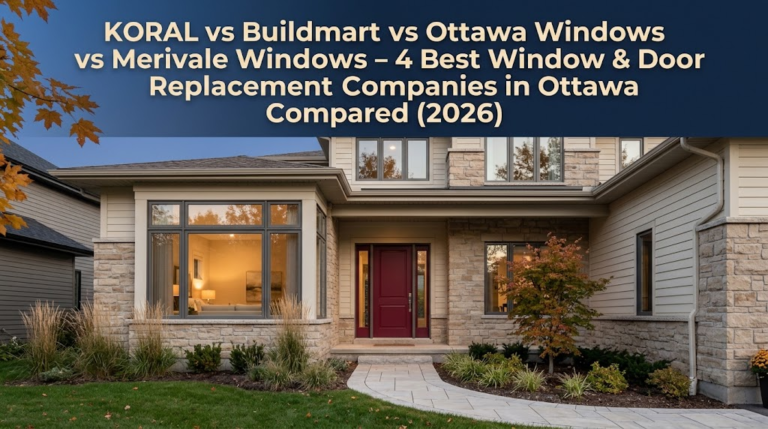
The living room is usually where people want the most natural light. A large fixed picture window gives unobstructed views and, because it doesn’t open, offers the best insulation of any style. Many homeowners pair it with casement windows on either side so they still get fresh air in spring and summer.
If you want to add a sense of space, a bay or bow window pushes outward from the wall, creating a bright nook for seating or plants. They cost more, but few upgrades change the feel of a room as dramatically.
Kitchen: Easy to Reach and Operate
Kitchen windows often sit above the sink or counter, where reaching up to lift a heavy sash is awkward. Casement and awning windows are ideal here because they open with a crank handle rather than by lifting. Awning windows can even stay open during a light rain, which is handy when you’re cooking and want to let steam out.
Bedrooms: Comfort, Quiet and Safety
Bedrooms need a good seal against drafts and noise, especially on busy streets. Casement windows press tightly against the frame when closed, which helps with both. Triple glazing is worth considering for bedrooms facing traffic.
Safety matters too. Bedrooms need at least one window large enough to serve as an emergency exit, and building codes set minimum opening sizes for this. Casements usually provide the largest clear opening for their size, while sliders and double-hung windows only open halfway.
Bathrooms: Privacy and Ventilation
In bathrooms, the priority is letting moisture out without giving up privacy. Awning windows placed high on the wall do both, and obscured or frosted glass keeps the room private while still letting light in. Good ventilation helps prevent condensation and mould around the frame.
Basements: Light and Egress
Basement windows are often small, old and forgotten. Replacing them with modern sliders or hopper windows (which tilt inward from the top) improves insulation and light. If you’re finishing a basement bedroom, an egress window that meets code is essential and usually requires enlarging the opening.
What Works Best in Ottawa’s Climate
Ottawa sees long, cold winters, strong winds and hot, humid summers. Styles that compress against the frame when closed, such as casement and awning windows, generally perform best against wind and cold. Sliders and double-hung windows are still perfectly good choices, especially for their price and look, but they rely more on weatherstripping to stay tight.
Whatever style you choose, look for ENERGY STAR certification for your climate zone, a low U-factor, low-E coatings and warm-edge spacers. These features matter more than the style itself for keeping heat in during a January cold snap.
Mixing Styles the Smart Way
Most homes end up with a mix of styles, and that’s a good thing. The key is consistency on each facade: matching frame colours, sightlines and proportions so the house looks cohesive from the street. When comparing replacement windows, ask to see how different styles look side by side in the same frame colour and material before you decide.
The Bottom Line
The right window style depends on the room: picture and bay windows for light, casements and awnings for easy operation and a tight seal, and sliders or hoppers for basements. Choosing thoughtfully, room by room, will give you a home that’s brighter, more comfortable and better prepared for everything Ottawa’s weather throws at it.