For years, many people associated sports with childhood teams, school competitions, or lifelong athletes who began training at a young age. Today, that idea is changing. Across Ottawa, more adults are discovering urban sports later in life and finding that they do not need a childhood background in athletics to become active, learn new skills, or join a community.
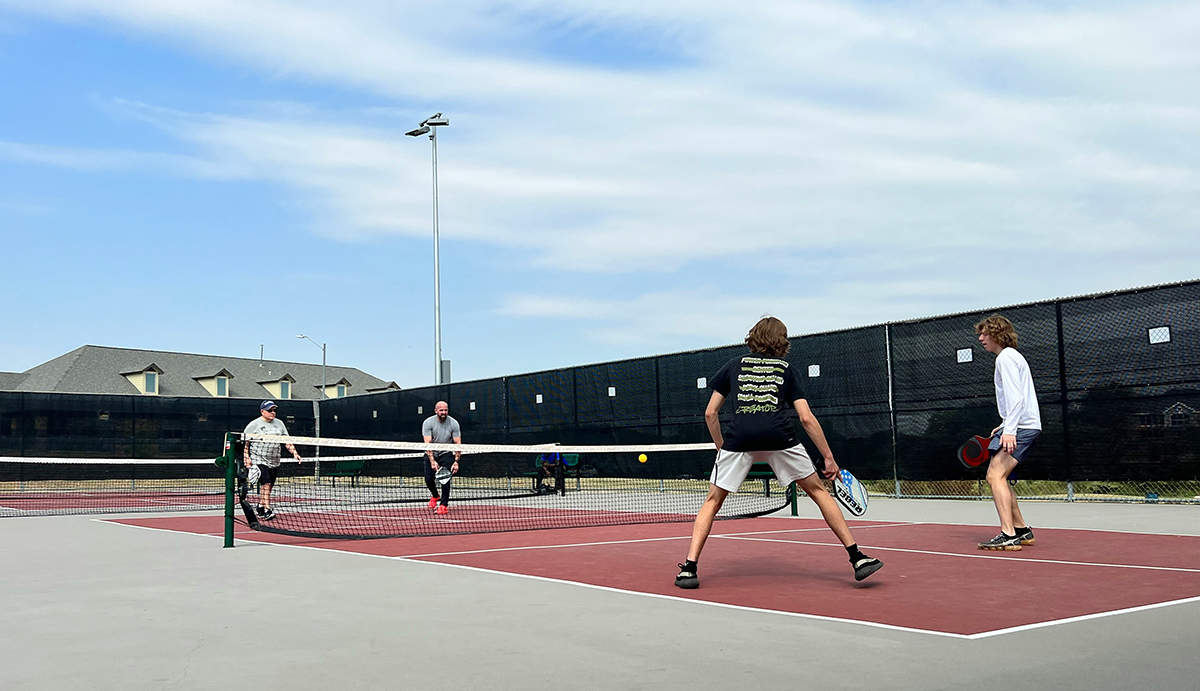
From skateboarding and cycling to pickleball, basketball, roller sports, and recreational leagues, urban sports are becoming increasingly accessible to adults who may have spent years believing that sports were “not for them.” The appeal is not necessarily about competing at a professional level. Instead, many adults are looking for enjoyable ways to stay active, meet people, reduce screen time, and try something completely different.
Ottawa’s changing recreation landscape is helping support this shift. The City of Ottawa offers opportunities across sports and physical activities, including cycling paths, tennis and pickleball courts, outdoor rinks, hiking trails, and organized programs. This variety gives adults more ways to find activities that fit their interests and experience levels.
Adults Are Moving Beyond Traditional Gym Workouts
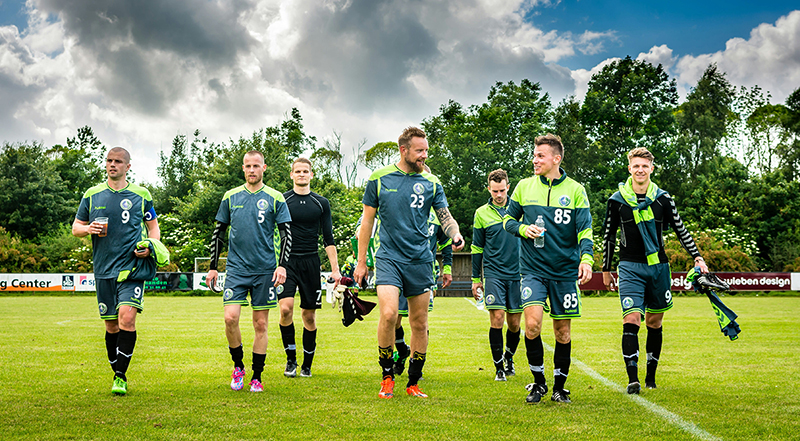
The gym remains popular, but it is no longer the only option for adults who want to stay active. Many people find traditional workouts repetitive or difficult to maintain over time. Urban sports offer a different experience because they combine movement with skill development and social interaction.
Learning to balance on a skateboard, improve footwork on a court, ride through a cycling route, or participate in a recreational league can feel more engaging than repeating the same workout routine.
For adults who struggle with motivation, the learning process itself can become the reason to keep going. Each practice session creates a small goal: improving balance, learning a new movement, completing a longer route, or becoming more confident in a group setting.
That sense of progress can make physical activity feel less like a chore and more like a hobby.
The “It’s Too Late” Mindset Is Disappearing
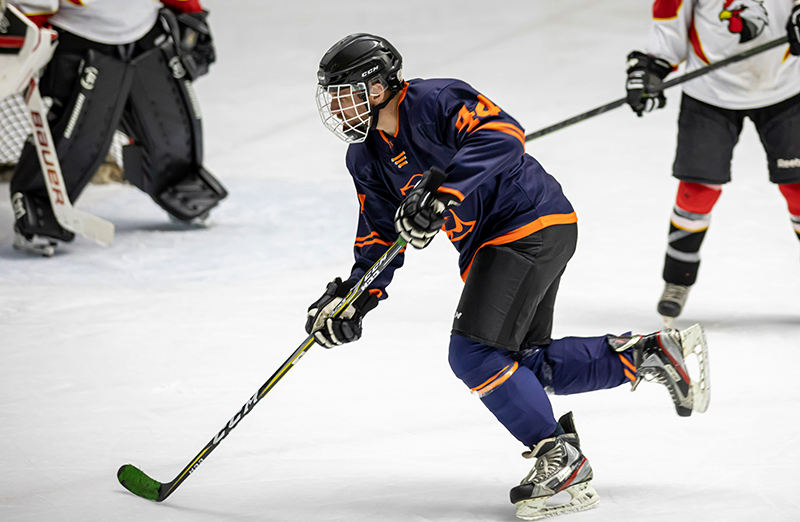
One of the biggest reasons adults avoided urban sports in the past was the belief that they had started too late. Many assume that activities such as skateboarding, cycling, or recreational sports are only for teenagers or people who have trained since childhood.
That perception is changing.
Adults are increasingly comfortable being beginners. They understand that learning a new sport does not require immediate perfection. The goal may simply be to build confidence, improve fitness, learn something new, or enjoy a new weekend activity.
Starting later can even have advantages. Adults often have a clearer understanding of their goals and are more willing to invest time in structured instruction. They may also be more patient with the learning process than younger beginners who are focused primarily on competition.
Ottawa’s Urban Environment Supports Active Recreation
Ottawa offers a wide range of outdoor spaces that make urban sports accessible across different neighbourhoods. Cycling routes, multi-use pathways, public courts, parks, outdoor recreation facilities, and skateparks give residents opportunities to stay active without needing to travel far outside the city.
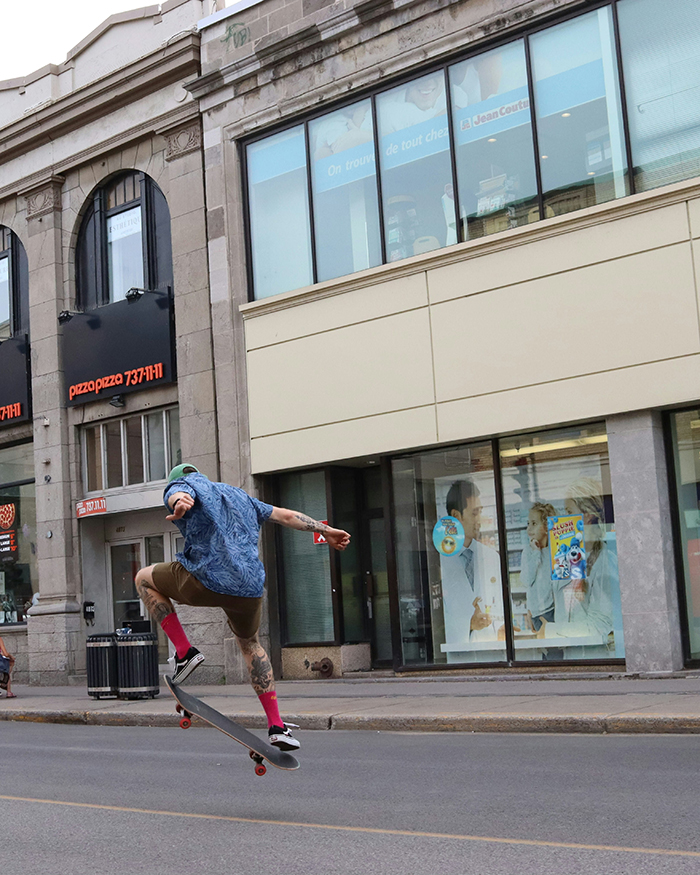
The city is also investing in the future of wheeled sports. Ottawa’s Skateboard and Roller Sports Strategy notes that the city now has 24 skateboard and roller sport parks, while the updated framework focuses on more inclusive facilities supporting different ages, abilities, experience levels, and activities such as skateboarding, BMX, scooters, and inline skating. The strategy also emphasizes skill progression and better connections between parks and active transportation networks. This is a strong industry insight into how urban sports infrastructure is evolving to support a broader community of participants.
This kind of infrastructure matters because adults are more likely to try a sport when they can access safe, welcoming, and well-designed spaces.
Urban Sports Offer More Than Physical Benefits
Physical fitness is an obvious benefit of participating in urban sports, but it is only one part of the appeal.
Many adults are also looking for opportunities to connect with other people. After years of working remotely, spending time online, or following demanding work schedules, social connection has become an important reason to participate in recreational activities.
Urban sports can create natural opportunities for interaction. People meet others at courts, parks, cycling groups, lessons, leagues, and community events. Beginners can connect with people who are at a similar level, while experienced participants can offer encouragement and advice.
For someone new to Ottawa, joining an activity can also be a practical way to build a local social network.
Learning New Skills Builds Confidence
Starting a sport as an adult can be intimidating. Beginners may worry about looking inexperienced or making mistakes in front of others. However, learning a new skill can become a powerful confidence-building experience.
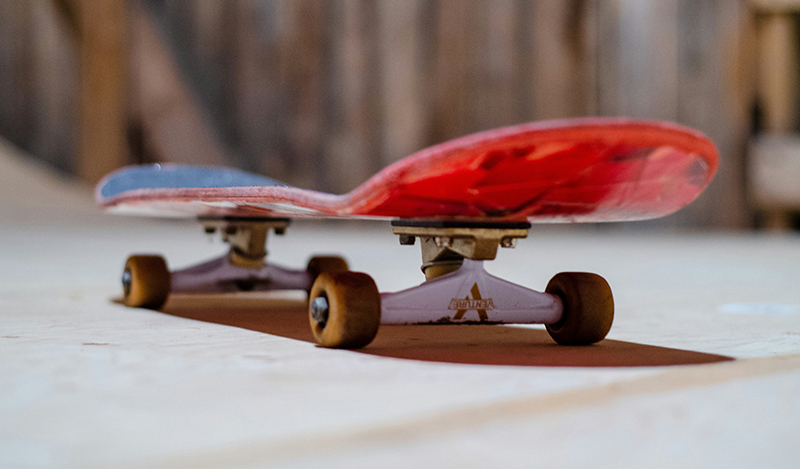
The first time someone successfully maintains balance on a board, completes a new movement, or participates in a game, they experience measurable progress. These small achievements can have a positive impact beyond the sport itself.
Structured instruction can make this process easier. For adults who are nervous about starting alone, beginner-friendly skateboard classes can provide a supportive way to learn fundamental techniques, understand safety practices, and build confidence step by step.
The same principle applies to other urban sports. Beginner programs and recreational leagues allow people to learn in an environment where improvement matters more than immediate performance.
Urban Sports Fit Busy Adult Schedules
Another reason adults are starting sports later is flexibility. Many urban sports can be adapted to different schedules.
A person may cycle before work, attend an evening recreational league, visit a skatepark on the weekend, or participate in a short drop-in session. Unlike some traditional sports that require long-term commitments, many urban activities offer a variety of participation levels.
This flexibility is particularly useful for professionals and parents who may not be able to dedicate several hours every day to training.
The City of Ottawa’s recreation programs and sports opportunities reflect this variety, with activities ranging from organized leagues and seasonal programs to drop-in recreation and active living opportunities.
The Social Side Makes Participation More Sustainable
People are more likely to maintain a habit when they enjoy the experience. This is one reason social sports can be more sustainable than activities that people do alone.
A person who joins a recreational group may continue participating because they enjoy seeing familiar people each week. A cycling group can provide motivation to keep riding. A skateboarding community can make practice more enjoyable.
The social aspect also reduces the pressure to be perfect. Adults can participate at their own pace while gradually developing skills.
Urban Sports Are Becoming More Inclusive
The image of urban sports is also expanding. Activities that were once strongly associated with specific age groups or subcultures are now attracting a wider range of participants.
More adults, women, families, beginners, and people with different physical abilities are looking for ways to participate. Modern recreation planning increasingly recognizes the importance of designing spaces and programs for a broad community rather than focusing only on experienced athletes.
This shift can make urban sports more welcoming for people who previously felt excluded.
Why More Adults Are Choosing to Start Now
There is also a cultural shift behind the growth of adult participation. People are increasingly interested in experiences that support their physical and mental well-being while also giving them something enjoyable to look forward to.
Starting a new sport can break up a repetitive routine. It can create a sense of achievement and provide an opportunity to spend more time outdoors.
For many adults, the question is no longer, “Am I too old to start?” Instead, it is, “What have I always wanted to try?”
That change in attitude is helping more people overcome the fear of being beginners.
The Future of Adult Urban Sports in Ottawa
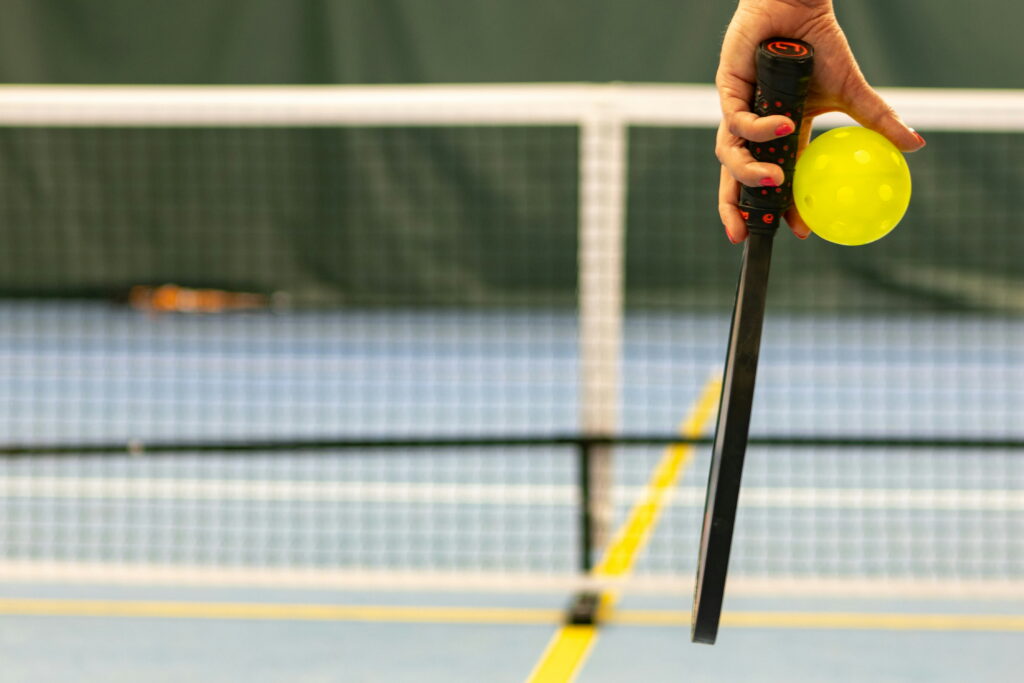
Ottawa’s urban sports scene is likely to continue developing as more residents look for accessible, flexible, and social ways to stay active. Continued investment in public recreation spaces, improved facilities, inclusive programming, and community-based activities can make it easier for adults to participate.
The growth of urban sports is not simply about building more facilities. It is also about creating environments where people feel comfortable learning something new.
For adults who have never considered themselves athletic, that may be the most important development of all.
Urban sports give people permission to start late, make mistakes, improve gradually, and enjoy the process. Whether someone picks up a skateboard, joins a recreational league, starts cycling, or tries a new court sport, the goal does not have to be competition. Sometimes, the best reason to start is simply to do something new.
In Ottawa, more adults are discovering that sports do not have an expiration date. You can begin at 25, 35, 45, or beyond. With accessible spaces, beginner-friendly opportunities, and a growing culture of recreational participation, starting late may not be a disadvantage at all. It may simply be the beginning of a new and more active chapter.