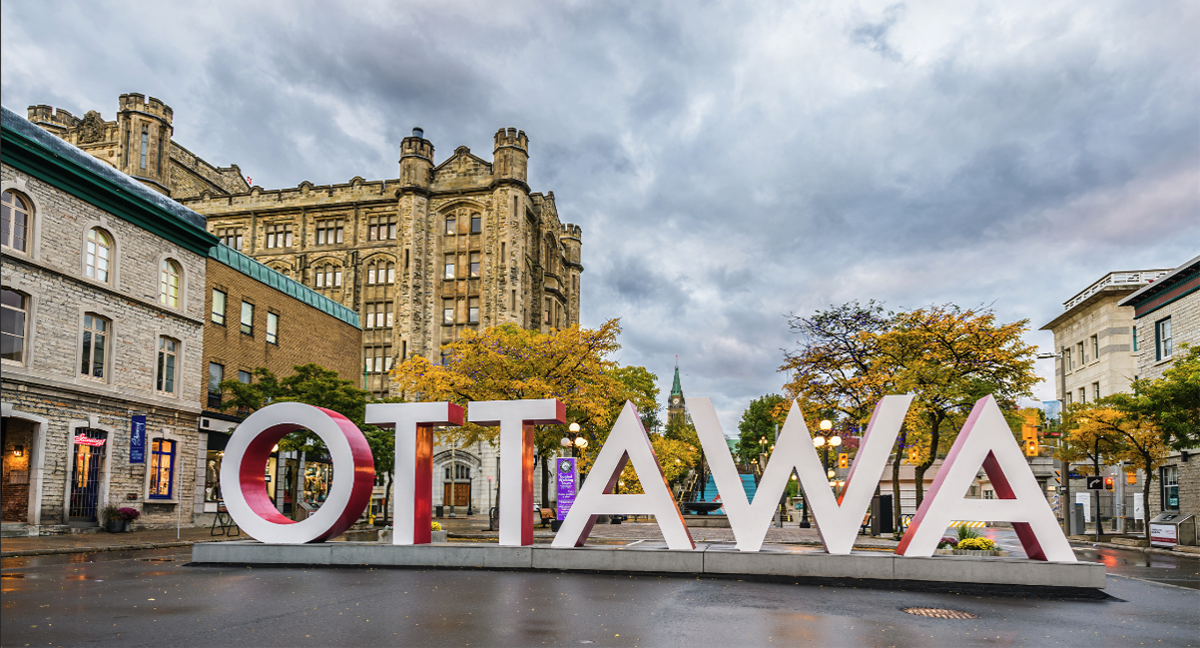
Ottawa is changing — and quickly.
New housing developments rise where open land once sat. Downtown streets feel busier year-round. Construction cranes have become part of the skyline. Growth brings opportunity, energy, and economic momentum, but it also brings something less discussed: a higher risk of everyday injuries.
This isn’t unique to Ottawa. Cities across North America see similar patterns as they grow. But understanding why injuries increase — and what can be done about it — is key to building a city that grows smarter, not just bigger.
Why Injuries Increase as Cities Grow
At its simplest, growth means more people sharing the same spaces.
More vehicles on the road. More pedestrians at intersections. More cyclists are navigating lanes that weren’t originally designed for mixed use. As density increases, so does the number of interactions — and with them, the chance of something going wrong.
What often surprises people is that injury rates tend to rise before safety systems fully adapt. Infrastructure upgrades, policy changes, and public education usually lag behind population growth. The result is a period where risk quietly increases, even as life feels mostly normal.
Infrastructure Strain in a Rapidly Growing City

Many of Ottawa’s roads, sidewalks, and transit routes were designed decades ago for a much smaller population.
As traffic volume increases, these systems experience more wear, congestion, and pressure. Temporary construction fixes become semi-permanent. Detours turn into daily routines. Pedestrian pathways narrow, signage changes frequently, and familiar routes become unpredictable.
These aren’t dramatic failures — they’re small disruptions that compound over time. And in growing cities, it’s often those small disruptions that lead to injuries.
Density Changes How Accidents Happen
As cities densify, the nature of injuries shifts.
Instead of incidents happening mostly in suburban or high-speed environments, more injuries occur at lower speeds but in tighter spaces — crosswalks, parking garages, condo entrances, transit platforms, and shared pathways.
Pedestrian and cyclist injuries become more common. Slip-and-fall incidents increase in high-traffic public areas. Even minor collisions can have outsized consequences when people are closer together and reaction times shrink.
Urban injuries are often more complex than they appear at first glance.
Living in a City Under Constant Construction

Construction is one of the most visible signs of growth — and one of the most overlooked contributors to injury risk.
Temporary walkways, uneven pavement, scaffolding, blocked sightlines, and unclear access points are now a regular part of city life. When development is everywhere, it becomes background noise. People stop noticing hazards until they trip, fall, or collide with something unexpected.
In many cases, responsibility isn’t immediately obvious. Public space blends into private development. Safety oversight becomes fragmented. And that uncertainty can make the aftermath of an injury even more stressful.
Everyday Life Gets Riskier When Cities Move Faster
Growth changes pace.
Longer commutes, tighter schedules, and more crowded environments create subtle pressure. People rush more. They multitask more. They assume familiarity where conditions have changed.
Most injuries in growing cities don’t come from reckless behaviour — they come from routine moments. Walking to work. Running errands. Navigating spaces people have used safely for years, only now under different conditions.
What Ottawa Can Learn from Other Growing Cities
Cities that manage growth well tend to do a few things consistently:
- Invest early in pedestrian- and cyclist-focused design
- Treat construction safety as a public-facing issue, not just a regulatory one
- Clearly define responsibility for shared and transitional spaces
- Educate residents about evolving risks as neighbourhoods change
Growth doesn’t have to mean more injuries — but ignoring its side effects almost guarantees them.

Why Awareness Matters After an Injury
One of the biggest challenges in growing cities is that people often underestimate the impact of an injury.
Symptoms can take days or weeks to appear. Recovery timelines are often longer than expected. And many people don’t realize how important early documentation and follow-up can be if complications arise later.
Professionals who work closely with injury cases often emphasize the importance of understanding next steps early — especially when it comes to collecting evidence for your personal injury claim, even if the injury initially feels manageable.
According to local legal professionals at Ristich Law, many injury cases become more difficult not because the incident wasn’t serious, but because key details weren’t recorded while events were still fresh. Awareness, they note, is one of the most effective tools people have after an unexpected injury.
Growth Shouldn’t Come at the Cost of Safety
Ottawa’s growth is a sign of success. It reflects opportunity, investment, and momentum. But growth also brings responsibility — to adapt systems, rethink design, and acknowledge the human impact of change.
Cities that recognize these patterns early have a chance to grow not just larger, but safer.
Ottawa is still writing its next chapter. What it chooses to learn from its growth may shape how safe that future feels for everyone who calls the city home.
Other articles from totimes.ca – otttimes.ca – mtltimes.ca