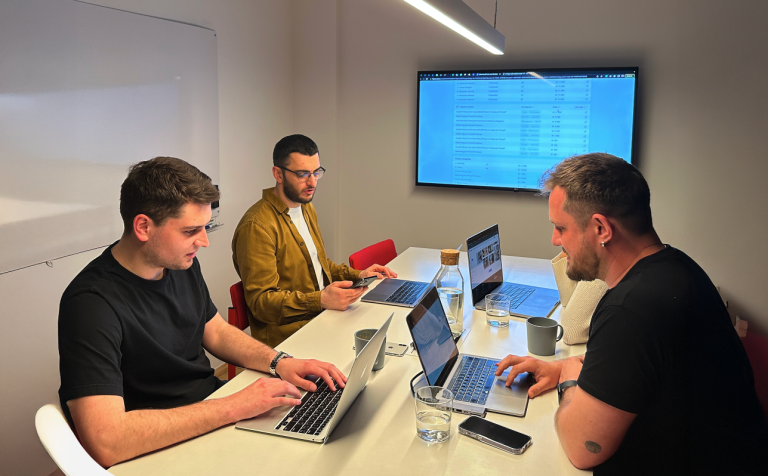
For many professionals in Ottawa, the workday no longer marks the end of learning. After logging off, commuting home, or finishing a shift, people are increasingly making time to build skills that support their careers, create new opportunities, or simply add more variety to their lives. Some are learning technical tools. Others are developing creative abilities, practical trades, communication skills, or hands-on talents that may eventually become a side business.
This shift reflects a broader change in how professionals think about career development. Learning is no longer limited to formal degrees or employer-provided training. Short courses, workshops, certifications, community programs, and practical experiences allow people to build useful skills without leaving their current jobs.
The University of Ottawa’s Professional Development Institute reflects this wider culture of lifelong learning, offering practical programs designed to help working professionals update their skills and adapt to changing workplace demands.
Digital Skills Are Becoming Essential Beyond Traditional Tech Jobs
Digital skills remain one of the most popular areas of learning for Ottawa professionals. Even people who do not work in technology are recognizing that digital tools influence nearly every industry.
Professionals are learning skills such as:
- Data analysis
- Artificial intelligence tools
- Cybersecurity basics
- Digital marketing
- Website management
- Automation
- Spreadsheet and reporting software
- Project management platforms
The motivation is practical. A marketing professional may want to understand analytics better. A small-business owner may learn how to automate repetitive tasks. A manager may study artificial intelligence to understand how it can improve team productivity.
The Canadian government’s Skills for Success program identifies digital skills, problem-solving, communication, adaptability, creativity, and collaboration among the foundational abilities people need to succeed in today’s economy.
For Ottawa professionals, this makes digital learning valuable even when it is not directly related to their current job title. A new skill can improve workplace performance while also opening the door to future career changes.
Communication and Leadership Skills Are High-Value Choices

Technical abilities are important, but many professionals are also focusing on skills that help them work more effectively with people.
Leadership training, public speaking, negotiation, conflict resolution, and professional communication are popular choices for employees who want to move into management or take on greater responsibility. These skills can also benefit entrepreneurs and freelancers who need to communicate with clients, partners, and teams.
A person may take a public speaking workshop to become more confident during presentations. Another may study negotiation to handle business discussions more effectively. Someone preparing for a management role may focus on team leadership and employee communication.
These skills are particularly valuable because they can be applied across industries. A professional who changes careers may still rely on the same ability to communicate clearly, solve problems, collaborate, and lead others.
Hands-On Trades Are Attracting Career-Minded Learners
Not every new skill Ottawa professionals are learning happens behind a computer. Many are becoming interested in practical, hands-on abilities that provide an alternative to traditional office work.
Home renovation, woodworking, electrical basics, automotive maintenance, landscaping, and construction-related skills can appeal to people who want to create something tangible. These skills can also support home improvement projects or become the foundation for a future business.
The interest in practical trades is connected to broader workforce needs. Ottawa has seen growing attention toward skilled trades and training pathways that help people gain practical experience. Recent local reporting has also highlighted training programs that prepare newcomers for home retrofitting work while addressing the need for skilled workers.
For professionals who spend most of their working day in an office, learning a hands-on skill can also provide a welcome change of pace. It offers the satisfaction of seeing a physical result at the end of the learning process.
Hospitality Skills Are Becoming a Flexible Second Skill
Hospitality is another area attracting professionals who want flexible, practical skills outside their primary careers. Learning about food service, beverage preparation, event service, customer experience, and hospitality operations can provide opportunities for part-time work, seasonal employment, or event-based income.
For some people, hospitality training is a way to explore an entirely different career. For others, it offers a flexible way to earn extra income while developing transferable abilities.

A professional may choose a course for bartenders to build practical beverage service knowledge, learn responsible service procedures, and gain confidence working in event or hospitality settings. The appeal often comes from the flexibility of the industry, especially for people who want to work occasional events rather than follow a traditional Monday-to-Friday schedule.
Hospitality skills also develop abilities that are useful in many other careers. Customer service, communication, time management, teamwork, problem-solving, and the ability to remain calm under pressure can all strengthen a professional’s broader skill set.
Creative Skills Offer a Break From the Office Routine
Many Ottawa professionals are also returning to creative interests they may have neglected during their careers.
Photography, painting, graphic design, music production, writing, pottery, and video creation are popular examples. These activities can be pursued purely for enjoyment, but they can also lead to freelance work or small business opportunities.
A professional may start photography as a weekend hobby and eventually begin photographing events. Someone learning graphic design may create branding materials for a small business. A person interested in writing may develop content creation skills for online platforms.
Creative learning can also support mental flexibility. It encourages people to think differently, experiment, and approach problems from new perspectives. Those abilities can be valuable in professional environments, even when the creative skill itself is unrelated to a person’s job.
Financial Literacy Is Becoming a Personal Priority
Money management is another important skill that many professionals are learning outside of work. People are increasingly seeking knowledge about budgeting, investing, retirement planning, taxes, credit, and entrepreneurship.
Financial literacy can help professionals make better decisions about their income and long-term goals. Someone may take a course to understand investing. Another person may learn how to create a household budget or manage the finances of a side business.
This type of learning is especially relevant for professionals who want greater independence. Understanding money can help people evaluate career opportunities, plan for major purchases, and determine whether a business idea is financially realistic.
Fitness and Wellness Skills Are Also Gaining Attention
Some skills are connected less to career advancement and more to personal well-being. Ottawa professionals are learning yoga, strength training, nutrition, first aid, outdoor recreation, and other wellness-related skills.
These activities can help people become more active while giving them a structured goal outside of work. Learning a new physical skill can also create opportunities to meet people and become part of a community.
For example, someone may take a fitness certification course, learn a new sport, or develop outdoor skills that encourage more time away from screens. The benefit is often both personal and professional. Better energy, confidence, and stress management can influence how people perform at work.
Why Professionals Are Choosing Learning Outside Their Careers
One of the biggest changes is that professionals are no longer learning only to qualify for their next promotion. Many are learning because they want more options.
A new skill can provide:
- A potential side income
- A creative outlet
- Greater career flexibility
- More confidence
- A way to meet new people
- A possible future career change
- Practical knowledge for everyday life
This is why cross-training has become increasingly attractive. A person working in finance may learn photography. A technology professional may study woodworking. A teacher may learn digital marketing. A hospitality worker may develop business management skills.
The combination of different abilities can make a person more adaptable. uOttawa’s professional development resources similarly emphasize that learning and development continue beyond graduation, with opportunities designed to help people build practical skills and prepare for changing career demands.
The Future of Learning in Ottawa Is More Flexible
The traditional idea of education is changing. Professionals do not always need to enroll in a multi-year program to develop a valuable ability. Short-term courses, evening classes, online learning, workshops, and practical training make skill development more accessible to people with full-time jobs.
This flexibility is important because professionals have different goals. Some want a promotion. Others want to launch a business, change industries, earn extra income, or simply learn something they have always found interesting.
Ottawa’s growing interest in lifelong learning reflects a broader understanding of career development. The most valuable skill may not always be one that directly matches a person’s current job. Instead, it may be the ability to keep learning, adapt to new opportunities, and combine different experiences in unexpected ways.
For today’s Ottawa professionals, learning outside of work is no longer just a hobby. It can be a way to build confidence, create new connections, improve financial opportunities, and prepare for a future that may look very different from the career they started with.