Children learn in many places beyond school. While classrooms provide important academic foundations, outdoor environments give children opportunities to develop practical skills that are difficult to teach through textbooks, worksheets, or screens. A family bike ride, a nature walk, a day at the park, or a new physical activity can become an informal learning experience that supports confidence, communication, problem-solving, and independence.
For families looking to reduce screen time and create more meaningful connections, outdoor activities offer a simple and effective solution. They do not need to be expensive or complicated. Often, the most valuable learning happens when children are given the freedom to move, explore, make decisions, and participate alongside the people they trust most.
Outdoor Play Encourages Problem-Solving
One of the biggest advantages of outdoor activities is that they give children real problems to solve.
A child climbing across playground equipment may need to decide which route to take. During a nature walk, children may wonder how to cross a muddy patch, identify an unfamiliar plant, or follow a trail. Even a simple game of catch can require children to adjust their movements, understand distance, and respond quickly.
These situations encourage children to think independently. Instead of being given every answer, they learn through trial and error.
This kind of problem-solving is valuable in the classroom as well. Children who regularly practice making decisions in everyday situations may become more comfortable approaching challenges instead of immediately giving up. Outdoor activities teach them that mistakes are often part of learning.
Physical Activities Build Confidence
Learning a new physical skill can have a powerful effect on a child’s confidence.
At first, a child may feel unsure about riding a bike, swimming, climbing, skating, or participating in a team sport. Progress may be slow. There may be falls, missed attempts, or moments of frustration. However, when children continue practicing and eventually improve, they experience the direct connection between effort and progress.
That lesson extends well beyond physical activity.
A child who learns to keep trying after struggling with a new skill may be more willing to attempt a difficult school assignment, speak in front of classmates, or try something unfamiliar. Outdoor activities create natural opportunities for children to experience small successes that gradually build self-belief.
For families interested in introducing children to a new activity, structured instruction can also make the experience more enjoyable and approachable. For example, beginner skateboard lessons can help children develop balance and coordination while learning how patience and consistent practice lead to improvement.
Family Activities Strengthen Communication

Outdoor activities also create opportunities for families to communicate without the distractions that often come with busy daily routines.
A walk through a park can encourage conversations that may not happen during a rushed morning. A family hike can create time for children to ask questions, share observations, or talk about their interests. Even working together to set up a picnic or plan a route requires communication and cooperation.
These experiences help children learn how to express themselves and listen to others.
Parents also gain a better understanding of their children’s personalities outside the classroom. A child who is quiet at school may become highly expressive while exploring nature. Another child may naturally take on a leadership role during a family game or activity.
Shared outdoor experiences can reveal strengths that may not always be visible in traditional academic settings.
Outdoor Activities Teach Teamwork
Many outdoor activities require people to work together.
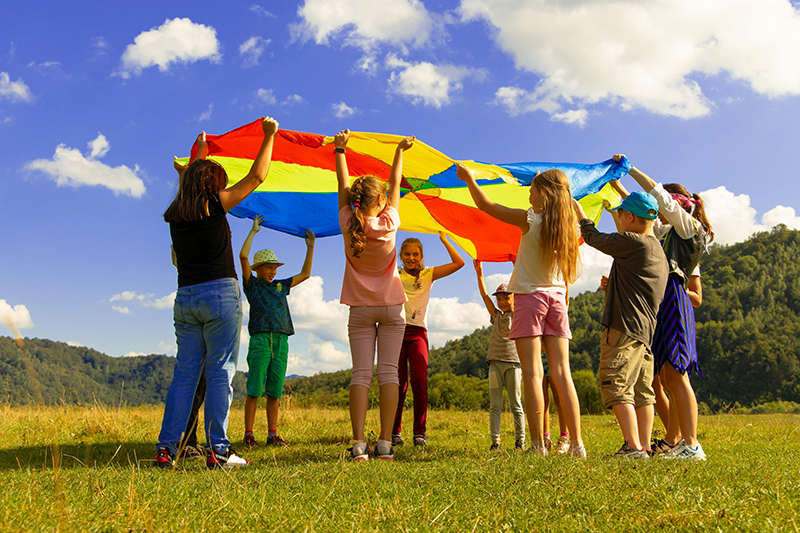
A family might play soccer, organize a treasure hunt, build a fort, or complete a group challenge. Each activity creates opportunities for children to practice sharing responsibilities, taking turns, listening, and supporting others.
Teamwork is not always easy for children. They may disagree about rules or become frustrated when others do not follow their ideas. However, these small conflicts provide important learning experiences.
With guidance, children can learn how to negotiate, compromise, and solve disagreements. These social skills are essential in school, friendships, and future workplaces.
Outdoor play often makes these lessons feel natural because children are focused on the activity rather than consciously thinking about “learning teamwork.”
Industry Insight: Outdoor Play Supports More Than Physical Health
The value of outdoor activity is supported by research and public health guidance. In a 2025 article on outdoor play, UNICEF reported that research links time spent outdoors with benefits for children’s physical health, social skills, concentration, and school readiness. The organization also highlighted research suggesting that children who spend at least two hours outdoors may achieve more moderate-to-vigorous physical activity than children who spend less time outside.
This reinforces an important point: outdoor activities should not be viewed only as a way to help children “burn energy.” They can also contribute to cognitive, emotional, and social development.
Nature Encourages Curiosity
Children are naturally curious, and outdoor environments provide endless opportunities to encourage that curiosity.
A walk outside can lead to questions about animals, weather, plants, insects, geography, or the environment. Instead of simply looking up answers online, parents can encourage children to observe, predict, and investigate.
For example, a child might notice that some leaves are changing color. This can become an opportunity to discuss seasons. Finding animal tracks can lead to questions about wildlife. Watching clouds can encourage conversations about weather patterns.
These moments help children understand that learning is not limited to school hours.
Outdoor exploration also allows children to develop observational skills. They learn to notice details, compare differences, and pay attention to their surroundings. These skills can support reading comprehension, science learning, and creative thinking.
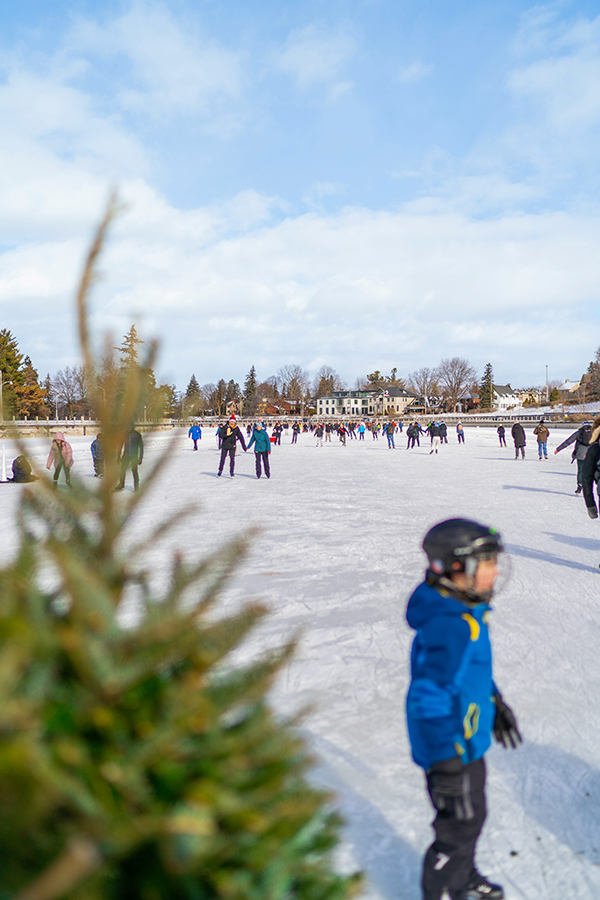
Outdoor Experiences Develop Independence
As children grow, parents naturally want to protect them. However, children also need age-appropriate opportunities to make decisions for themselves.
Outdoor activities can provide a safe environment for developing independence.
A child might choose which trail to follow, decide what equipment to bring, or plan part of a family activity. Older children may help navigate a route, prepare snacks, or organize a game for younger siblings.
These responsibilities teach children that their choices matter.
They also help children understand planning and consequences. If a child forgets water on a long walk, for example, the experience may teach them to prepare more carefully next time. If they choose an activity that becomes too difficult, they can learn how to adjust their plans.
These are practical life skills that are difficult to develop through passive entertainment.
Active Hobbies Teach Patience and Persistence
Many outdoor activities require time to master.
Children may not immediately learn to ride a bike, hit a tennis ball, swim a full length of a pool, or complete a challenging climbing route. Progress often happens gradually.
This teaches an important lesson about persistence.
In a world where entertainment and information are often available instantly, physical activities remind children that some achievements require practice. They learn that improvement may not happen after one attempt.
Parents can reinforce this lesson by focusing on effort rather than perfection. Instead of asking whether a child won, completed the activity, or performed perfectly, parents can ask questions such as:
- What did you learn today?
- What was difficult?
- What would you like to try next time?
- What part are you proud of?
This approach helps children develop a growth mindset and view challenges as opportunities for improvement.
Outdoor Activities Support Emotional Well-Being
Being outside can also give children a valuable break from academic pressure and digital stimulation.
Outdoor activities allow children to move their bodies, experience different surroundings, and focus on the present moment. A simple walk, bike ride or game can help create a change of pace after a long day at school.
The goal does not have to be intense exercise. Children may benefit from a range of activities, including walking, gardening, cycling, playing in a park, exploring nature, or participating in organized sports.
The important factor is creating regular opportunities for movement and connection.
Outdoor time can also give children a healthy way to manage frustration. Physical activity provides an outlet for energy and emotions, while time spent in open spaces can help create a calmer environment for conversation and reflection.
Parents Do Not Need to Plan Perfect Activities
One common mistake families make is believing that every outdoor activity needs to be carefully planned.
It does not.
Children can learn from simple experiences. A walk around the neighborhood, a visit to a local park, or an afternoon spent playing outdoors can provide valuable opportunities for movement and discovery.
Parents can also involve children in planning. Ask them to choose between two activities, help pack supplies, or suggest a game. Giving children some control can make them more interested and engaged.
The best activity is often one that the family can enjoy consistently.
Making Outdoor Time a Regular Family Habit
The benefits of outdoor activities become more meaningful when they become part of a family’s routine.
Families might choose one evening each week for an outdoor activity. Weekends can include a longer adventure, like perhaps a hike in the Gatineaus or a visit to the Laurentians, while shorter activities can fit into busy weekdays.
The focus should be on consistency rather than perfection.
It is also important to consider each child’s interests. One child may enjoy competitive sports, while another may prefer nature exploration, cycling, creative outdoor games, or learning a new physical skill.
When children are allowed to find activities they genuinely enjoy, they are more likely to stay engaged.
Final Thoughts
Outdoor family activities offer children much more than a break from screens. They create opportunities to develop confidence, communication, problem-solving, teamwork, patience, independence, and curiosity.
A child may learn to make decisions on a hiking trail, cooperate during a family game, persist through a difficult physical skill, or ask questions while exploring nature. These lessons may not appear on a traditional school timetable, but they can influence how children approach challenges throughout life.
The classroom remains an important part of childhood development, but learning does not stop when the school day ends. By spending time outdoors together, families can help children build practical skills, strengthen relationships, and discover that some of the most valuable lessons can happen through movement, exploration, and shared experiences.