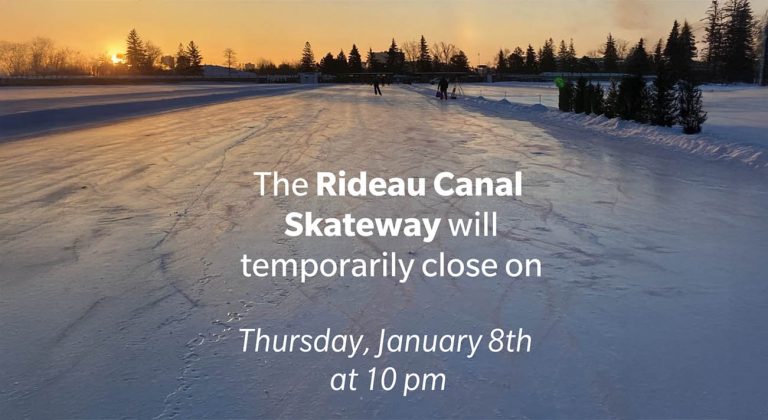
Moving to Ottawa can be exciting for newcomers, but the first winter often brings a completely different kind of challenge. Snow, freezing temperatures, icy sidewalks, shorter days, and unpredictable weather can make everyday tasks feel unfamiliar. The good news is that winter becomes much easier when residents develop a few practical skills before the coldest months arrive.
For new residents, preparing for winter is not only about buying a warm coat. It is about learning how to move around safely, understand weather conditions, care for a home, manage transportation, and enjoy outdoor activities with confidence. Ottawa is one of Canada’s coldest capital cities, and local public health guidance highlights risks such as frostbite, hypothermia, slips, and falls during extreme cold.
Here are some of the most useful skills every new Ottawa resident should learn before facing their first serious winter.
1. Learn How to Dress in Layers

One of the biggest mistakes newcomers make is relying on one extremely thick jacket instead of learning how to layer clothing properly. Ottawa winters can bring changing temperatures, wind, snow, and freezing rain, so dressing flexibly is essential.
A good winter clothing system usually includes three layers. The base layer helps move moisture away from the skin. The middle layer provides insulation and traps warmth. The outer layer protects against wind, snow, and moisture.
New residents should also understand the importance of accessories. Warm gloves or mittens, a hat that covers the ears, a scarf or neck warmer, and waterproof boots can make a major difference. Ottawa Public Health recommends layered clothing, insulated protection for the head and hands, and waterproof boots with room for an extra sock layer.
Learning how to dress appropriately is a skill because winter comfort depends on more than simply choosing the warmest item available. You also need to know when to add or remove layers, especially when moving between heated indoor spaces and freezing outdoor conditions.
2. Learn to Walk Safely on Ice and Snow
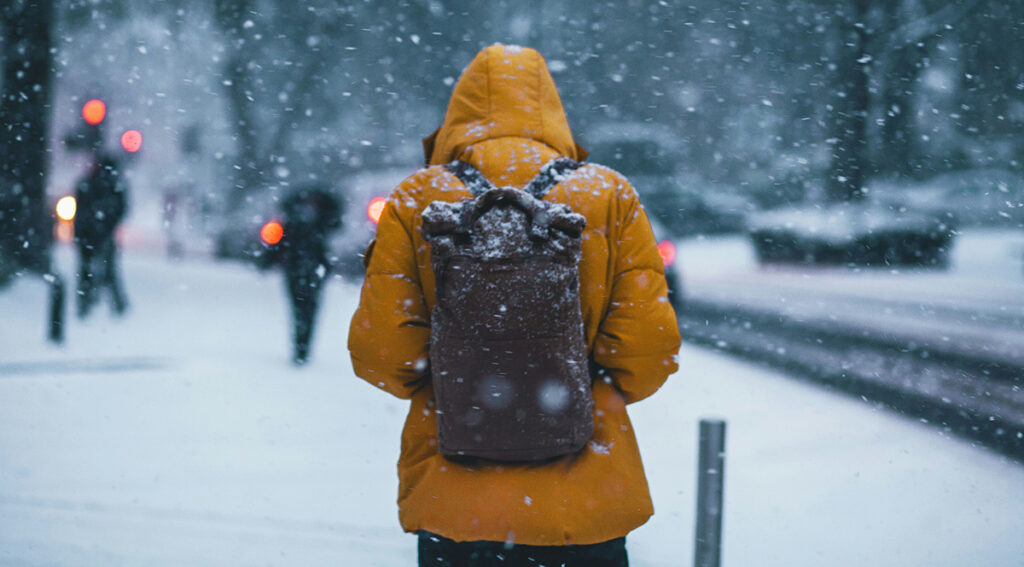
Walking in Ottawa during winter requires a different technique. Sidewalks can become slippery after freezing rain, compacted snow, or melting and refreezing conditions.
New residents should learn to take shorter steps and keep their centre of gravity balanced. Walking slowly is often safer than trying to maintain a normal pace. Shoes or boots with good traction are also essential.
It is important to avoid assuming that every icy surface is safe simply because other people are walking on it. Black ice can be difficult to see, especially at night or early in the morning.
The same caution applies to frozen ponds, rivers, and other waterways. The Ottawa Police Service warns that ice thickness can vary significantly and advises residents to stay away from waterways even when they appear frozen.
Learning to recognize risky surfaces and adjusting your walking style can help prevent injuries throughout the season.
3. Understand Weather Alerts and Wind Chill
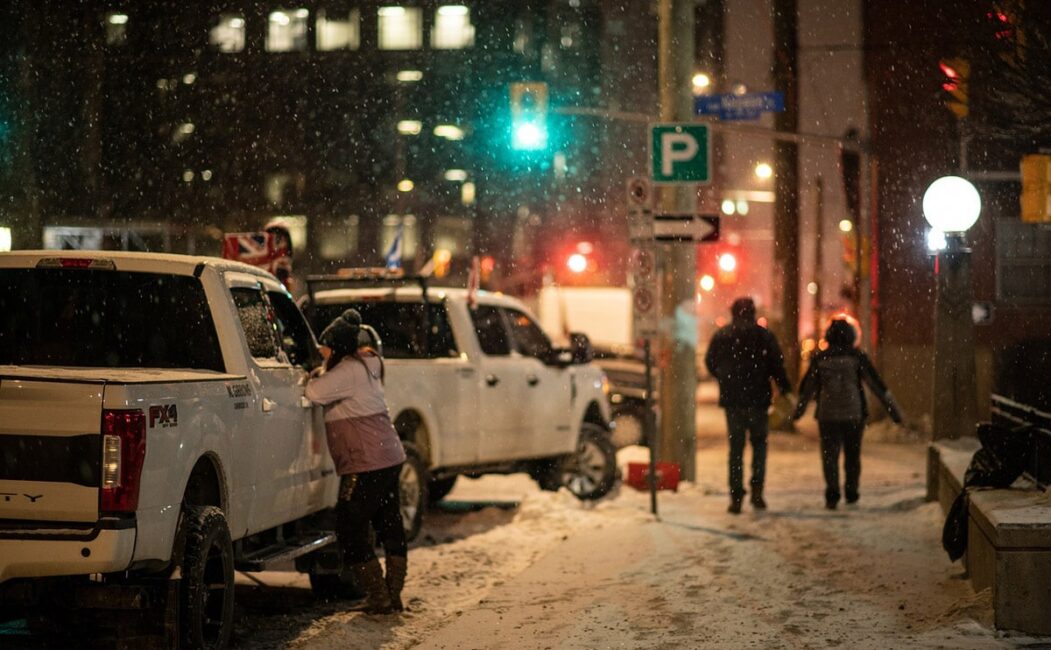
Many newcomers focus only on the temperature displayed on a weather app. However, winter conditions involve much more than a single number.
Wind chill can make the air feel significantly colder than the actual temperature. Snowfall, freezing rain, poor visibility, and rapidly changing conditions can also affect travel and outdoor plans.
New residents should learn how to check official forecasts and understand different weather alerts. Environment and Climate Change Canada explains that winter hazards can include extreme cold, freezing rain, heavy snow, blizzards, and reduced visibility.
A useful winter habit is to check the forecast before leaving home, particularly when planning a long commute or outdoor activity. Understanding the “feels like” temperature and checking for warnings can help you decide what to wear and whether travel plans should be changed.
4. Learn Basic Snow Removal

Snow removal is one of the most practical skills for Ottawa residents. Depending on where you live, you may need to clear a walkway, driveway, balcony entrance, or steps.
Learning how to use a snow shovel efficiently can save time and reduce physical strain. It is generally easier to remove snow in stages rather than waiting for a very large accumulation. Residents should also become familiar with local rules and responsibilities related to clearing walkways and entrances.
Salt and other ice-melting products may help with slippery surfaces, but they should be used responsibly. Some products can damage surfaces, plants, footwear, or pets’ paws.
For newcomers living in apartments or rental properties, it is also important to understand which areas are maintained by the landlord, property manager, or municipal services. Knowing who is responsible for snow removal can prevent confusion during major snowfalls.
5. Learn Winter Transportation Skills

Winter transportation requires planning. Whether you drive, use public transit, cycle, or walk, snow and ice can affect travel times.
Public transit users should expect that winter weather may cause delays. Leaving earlier, checking service updates, and keeping a charged phone can make commuting less stressful.
Drivers have an additional set of skills to learn. Winter driving requires slower speeds, greater following distances, smoother braking, and careful acceleration. The City of Ottawa recommends preparing an emergency vehicle kit that can include items such as blankets, a flashlight, booster cables, a shovel, extra boots and socks, and other essentials.
New drivers should also learn how to clear snow and ice from the entire vehicle before driving. Snow left on the roof can blow onto other vehicles, while blocked windows and lights can reduce visibility and safety.
6. Learn Basic Home Winter Maintenance
A comfortable winter also depends on understanding your home.
New residents should learn how heating systems work and know how to adjust thermostats safely. It is also useful to understand how to prevent drafts around windows and doors. Indoor heating can make the air extremely dry, so many people find that using a humidifier and staying hydrated improves comfort.
Small maintenance habits can also make a difference. Keeping entrances clear of snow, drying wet boots properly, and storing winter gear where it can dry between uses can help prevent moisture problems.
If you rent, learn how to contact your landlord or property manager quickly when heating, plumbing, or other essential services stop working. Winter is not the time to ignore a problem that could become worse.
7. Learn How to Enjoy Winter Activities Safely
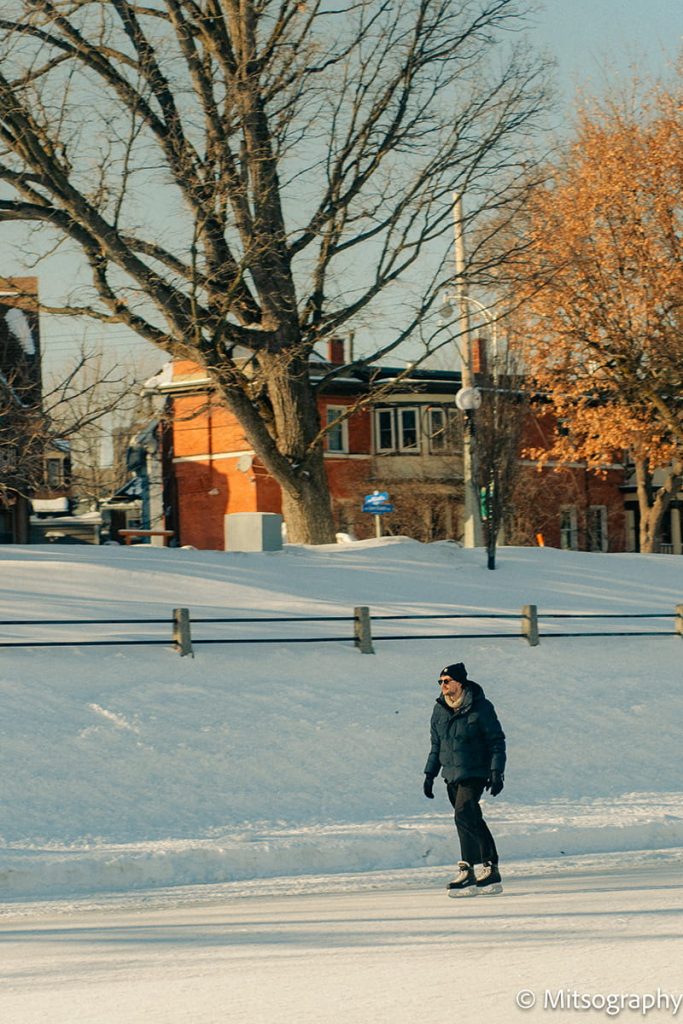
One of the best ways to adjust to Ottawa is to stop treating winter as something that must simply be endured. The city offers many ways to enjoy the season, including skating, skiing, snowshoeing, sledding, and other outdoor activities.
For newcomers who have never skated before, structured instruction can make the experience much less intimidating. A beginner-friendly program such as a Nova ice-skating school can help residents learn balance, stopping techniques, and basic skating skills in a controlled environment.
The key is to choose activities suited to your ability level and use appropriate safety equipment. Beginners should avoid unfamiliar ice conditions and follow posted signs, closures, and local safety guidelines.
Learning a winter sport can also be an excellent way to meet people and become more connected to the community.
8. Learn How to Prepare for Emergencies
Winter weather can occasionally disrupt transportation, power, communication, or access to essential services. Every new resident should have a basic emergency plan.
Keep essential supplies available at home, including flashlights, batteries, basic food, water, medications, and warm blankets. It is also helpful to keep your phone charged and know how to receive official weather alerts.
Environment and Climate Change Canada emphasizes the importance of being prepared for winter weather that can change quickly and become dangerous with little warning.
A small amount of preparation can make a significant difference during a storm or extreme cold event.
9. Learn to Plan Around Winter
Perhaps the most important skill is learning to plan with winter in mind. A short summer commute may take much longer during heavy snow. A simple errand may require extra time for dressing, clearing a vehicle, or navigating slippery sidewalks.
New residents should build flexibility into their schedules. Leaving home ten or fifteen minutes earlier can reduce stress, especially during the first major snowfalls of the season.
It is also useful to keep winter essentials near the entrance of your home. Having boots, gloves, hats, and coats organized makes it easier to leave quickly without searching for missing items.
10. Learn to Make Winter Part of Your Lifestyle
The adjustment to Ottawa winter is partly practical and partly psychological. The season can feel long if you spend several months avoiding the outdoors completely.
Finding enjoyable winter routines can make the experience more positive. This might include joining a recreational program, visiting community facilities, trying skating, walking on cleared trails, or participating in seasonal events.
Winter also creates opportunities to build new social connections. Group activities and classes can help newcomers meet people while developing useful skills.
Summary
Preparing for an Ottawa winter involves much more than purchasing a heavy coat. New residents should learn how to layer clothing, walk safely on icy surfaces, understand weather alerts, remove snow, travel responsibly, maintain a warm home, prepare for emergencies, and enjoy winter activities safely.
The most important lesson is that winter becomes easier with experience. Each season teaches residents more about the weather, transportation, clothing, and local routines. With the right skills and preparation, newcomers can move from simply surviving Ottawa’s winter to feeling confident and comfortable throughout it.