Waiting for the first snow to think about your roof is a costly mistake. Here is what every Ontario homeowner should inspect, seal, and repair during the warm months, before winter puts the roof to the test.
When the first cold snap arrives in Ontario, it rarely gives much warning and by then, the roof is already under stress. That is why the smartest time to prepare a roof for winter is not October or November, but the warm, dry weeks of summer. Sealing, inspecting, and repairing a roof before the freeze is the difference between a minor summer service call and an emergency leak in January.
Ontario winters put a roof through months of snow load, freeze-thaw cycling, and ice dams. Any weak point: a lifted shingle, a worn flashing, a clogged eavestrough, becomes a liability once temperatures drop. Handling these issues while the weather is cooperative is faster, cheaper, and far less disruptive than waiting for water to find its way inside.
Why summer is the right window to work on a roof
Roofing materials are weather-dependent. Asphalt shingles need warm temperatures to seal down and bond, and sealants and adhesives cure properly only in dry, mild conditions. Work done in the cold often fails to set, leaving the very repairs meant to protect the home vulnerable to the first storm.
Summer also makes problems visible. Damage that snow would hide, a hairline crack, a rusted valley, a soft spot in the decking, is easy to spot and fix in July. And scheduling is on the homeowner’s side: booking a routine inspection in summer avoids the fall rush and the premium prices that come with emergency winter work.
What “winter-proofing” a roof actually means
Preparing a roof for winter is about far more than the shingles you can see from the street. A proper pre-winter service looks at the whole system that keeps water out and heat in.
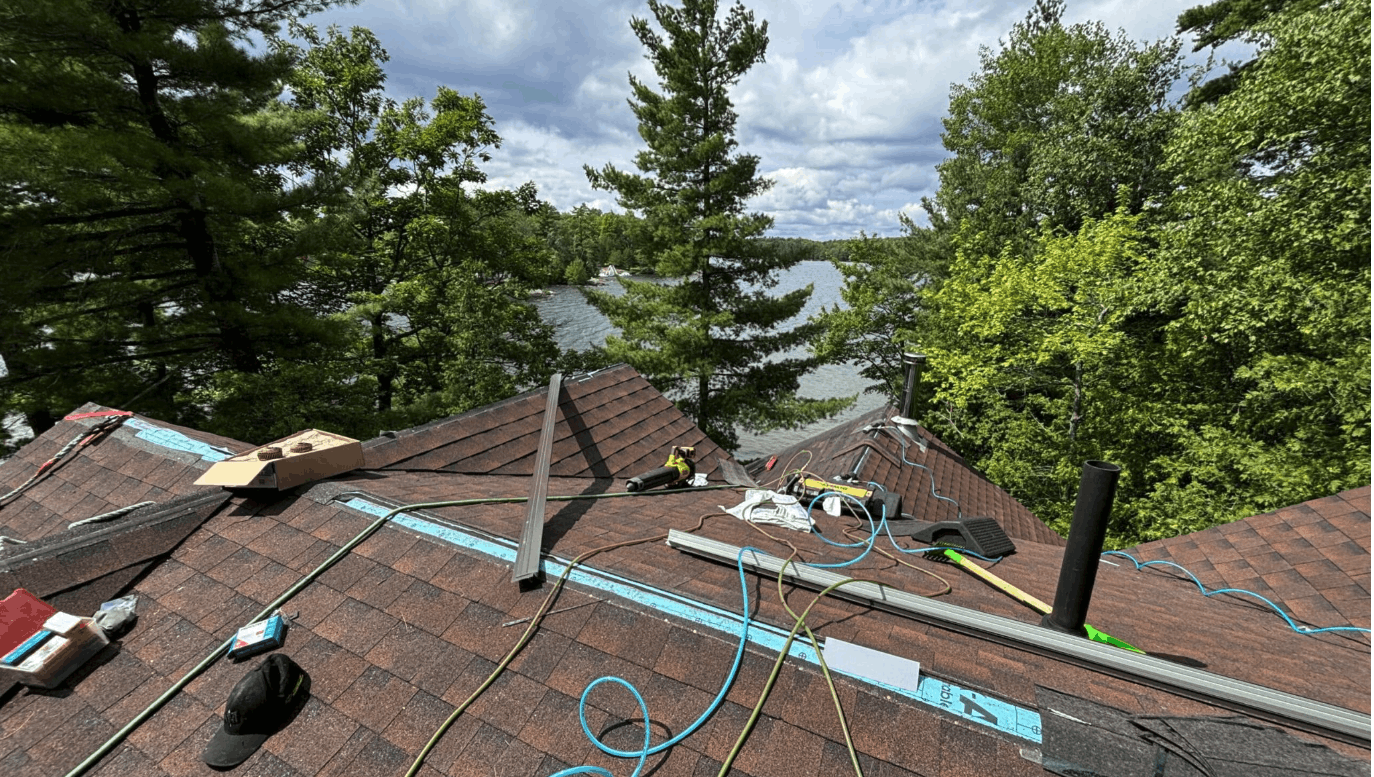
It starts at the roof surface, where cracked or lifted shingles are replaced and worn areas resealed. It extends to the flashings — the metal that seals joints around chimneys, valleys, and vents — which are the single most common source of winter leaks. It includes the eavestroughs and downspouts that carry meltwater away from the house, and the soffit and fascia that let the attic breathe. Finally, it reaches into the attic itself, where air sealing and insulation determine how much heat escapes through the roof.
The real winter threat: ice dams and freeze-thaw
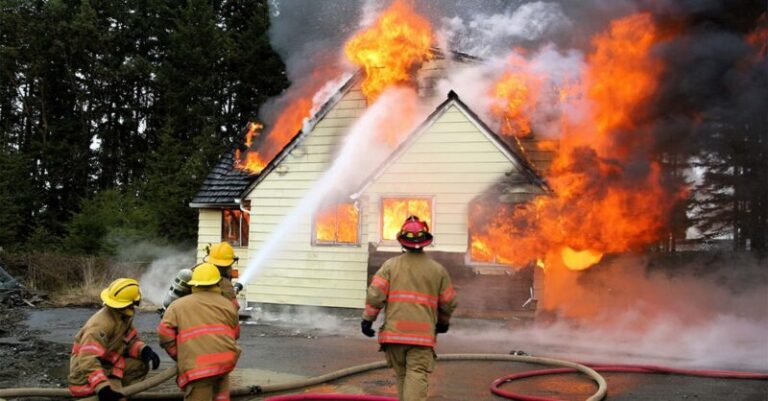
An ice dam forms when heat leaking into the attic warms the roof, melts the snow on top, and lets the water run down to the cold eaves, where it refreezes. The growing ridge of ice traps meltwater behind it and forces it back up under the shingles and into the home. The Canada Mortgage and Housing Corporation notes that large icicles and ice along the eaves are a warning sign of attic ventilation, insulation, or air-leak problems.
The fix is rarely quick in January. Prevention — a well-sealed, well-insulated, well-ventilated attic combined with clear eavestroughs — is summer work. Once ice has already formed along the eaves, homeowners should resist the urge to chip, salt, or clear it themselves: winter work on a roof carries a real risk of falls and of damage to the shingles underneath, and it treats the symptom rather than the cause. Natural Resources Canada notes that a well-sealed and insulated attic will generally not develop ice dams at all.
A pre-winter roof checklist
Homeowners can walk through the basics from the ground with binoculars, but a professional inspection covers the parts that matter most, the flashings, the attic, and the decking. Our full roof inspection checklist for Ontario homes goes through each point in detail.
| Area to check | What to look for | Why it matters before winter |
|---|---|---|
| Shingles | Cracked, curled, lifted, or missing shingles | Gaps let wind-driven snow and meltwater under the roof |
| Flashing | Rust, gaps, or loose metal at chimneys, valleys, and vents | Joints are the most common source of winter leaks |
| Eavestroughs & downspouts | Sagging, clogs, or loose fasteners | Blocked drainage feeds ice dams at the eaves |
| Soffits & fascia | Rot, pest damage, or blocked vents | Ventilation keeps the attic cold and ice-dam-free |
| Attic insulation & air sealing | Thin, uneven, or compressed insulation; warm spots | Escaping heat melts snow that refreezes into ice dams |
| Sealant & caulking | Dried or cracked seals around penetrations | Warm, dry weather lets new sealant cure properly |
Repair now, or replace?
Not every aging roof needs replacing before winter, but an honest assessment matters. Isolated damage — a few cracked shingles, a worn section of flashing, a leak around a vent — is usually a straightforward repair. Widespread granule loss, curling across the whole roof, or a deck that flexes underfoot points toward replacement.
A useful rule of thumb: if the roof is under 15 years old and the damage is localized, a shingle repair will usually see it safely through many more winters. If the roof is near the end of its service life and leaking in several spots, paying for repeated patches is often false economy. Homeowners in Central Ontario and the Muskoka region frequently rely on a local Barrie roofing team to make that call before the first storm rather than after.
Questions to ask your roofer
- Are you licensed and insured, and can you provide certificates?
- Will you inspect the attic and ventilation, not just the roof surface?
- What exactly does the quote include — flashing, sealant, eavestrough cleaning?
- Do you offer a workmanship warranty, and for how long?
- Can the work be completed before the first freeze?
Listen to roof warnings
A roof rarely fails without warning — the warning simply comes in summer, when a small problem is cheap to fix, rather than in winter, when it becomes an emergency. Inspecting, sealing, and repairing now is the most reliable and least expensive way to keep an Ontario home dry through the season ahead.
References
- Natural Resources Canada — Keeping the Heat In, Section 5: Roofs and Attics
- Canada Mortgage and Housing Corporation (CMHC) — Attic Venting, Attic Moisture, and Ice Dams
- Government of Ontario — Building Code (O. Reg. 332/12)
contributed post